

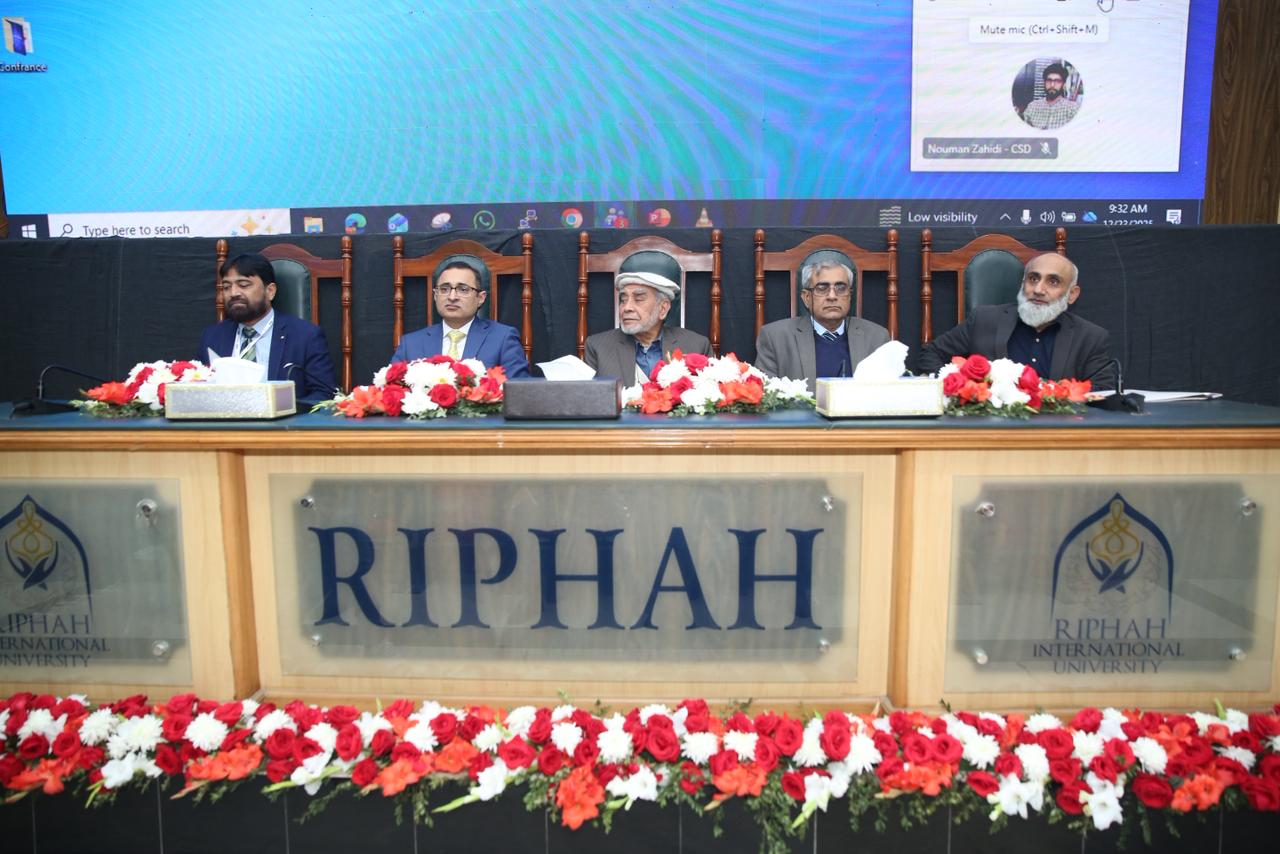
The Faculty of Computing at Riphah International University (RIU), Islamabad, successfully hosted the 27th IEEE International Multi Topic Conference (INMIC 2025) on December 23–24, 2025, marking another significant milestone in Pakistan’s academic and technological advancement.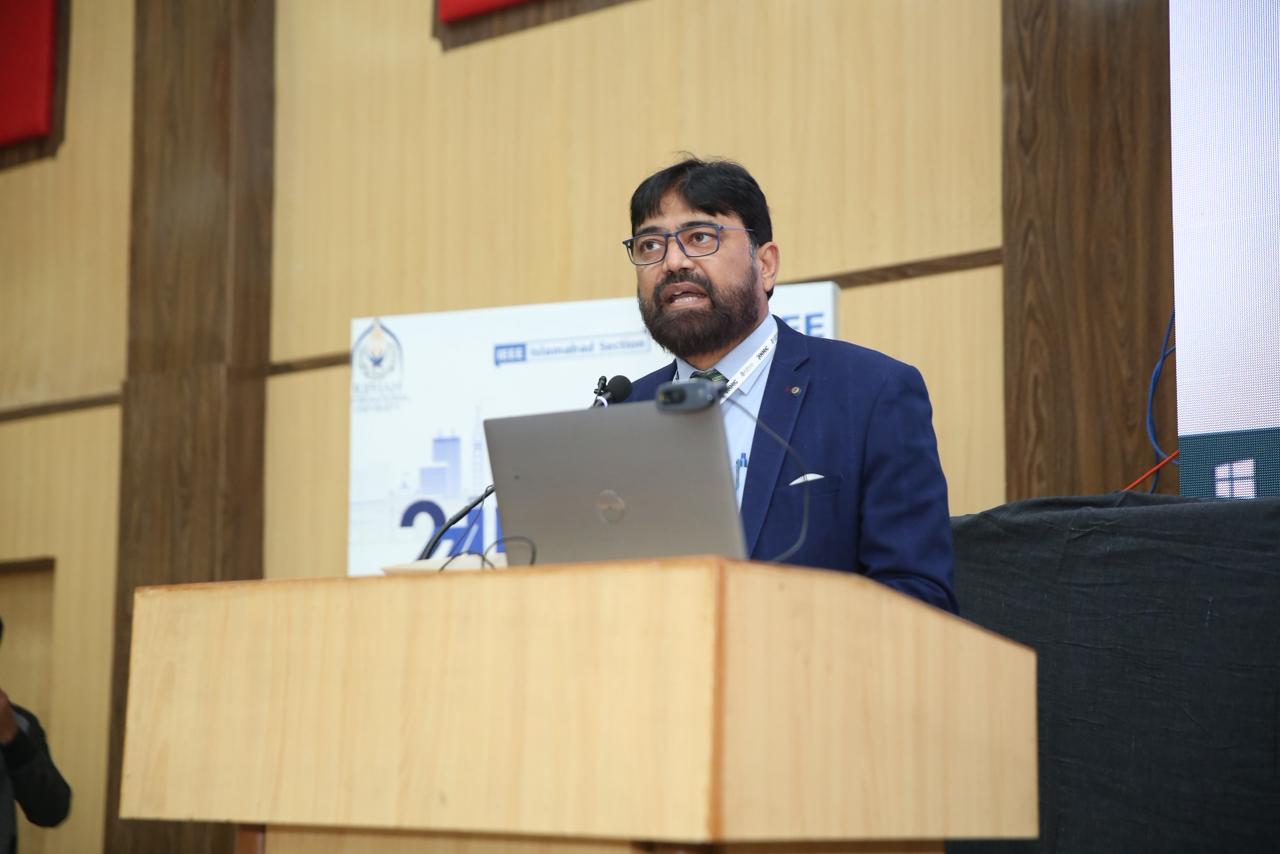 Organized by the IEEE Islamabad Section in collaboration with Riphah International University, the two-day international conference brought together leading researchers, academicians, scientists, and industry experts from Pakistan and abroad to deliberate on emerging trends in computing, artificial intelligence, and engineering technologies.
The conference was formally inaugurated by Prof. Dr. Anis Ahmed, Vice Chancellor of Riphah International University, who emphasized the importance of interdisciplinary research and highlighted the role of academic institutions in addressing global technological and societal challenges through innovation and collaboration.
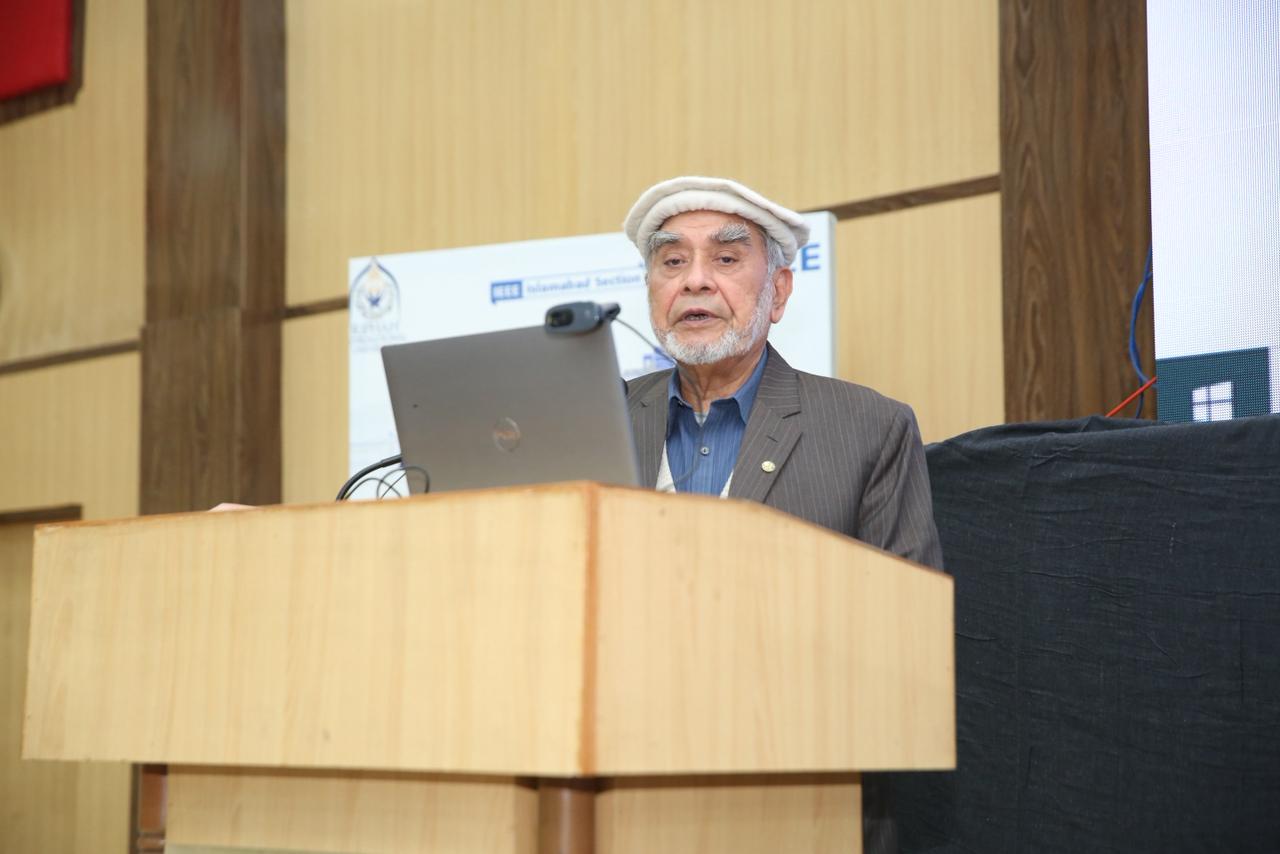 The event was graced by distinguished Guests of Honor, including Prof. Dr. Khalid Malik from the University of Michigan–Flint, USA, and Prof. Dr. Syed Irfan Hyder, Vice Chancellor of Salim Habib University, Karachi. Their presence added significant international academic value to the conference.
Opening remarks were delivered by Prof. Dr. Muhammad Zubair, who underscored the critical role of technology in an increasingly interconnected and multicultural global environment. He stressed the need for collaborative research to develop sustainable and intelligent solutions to complex challenges.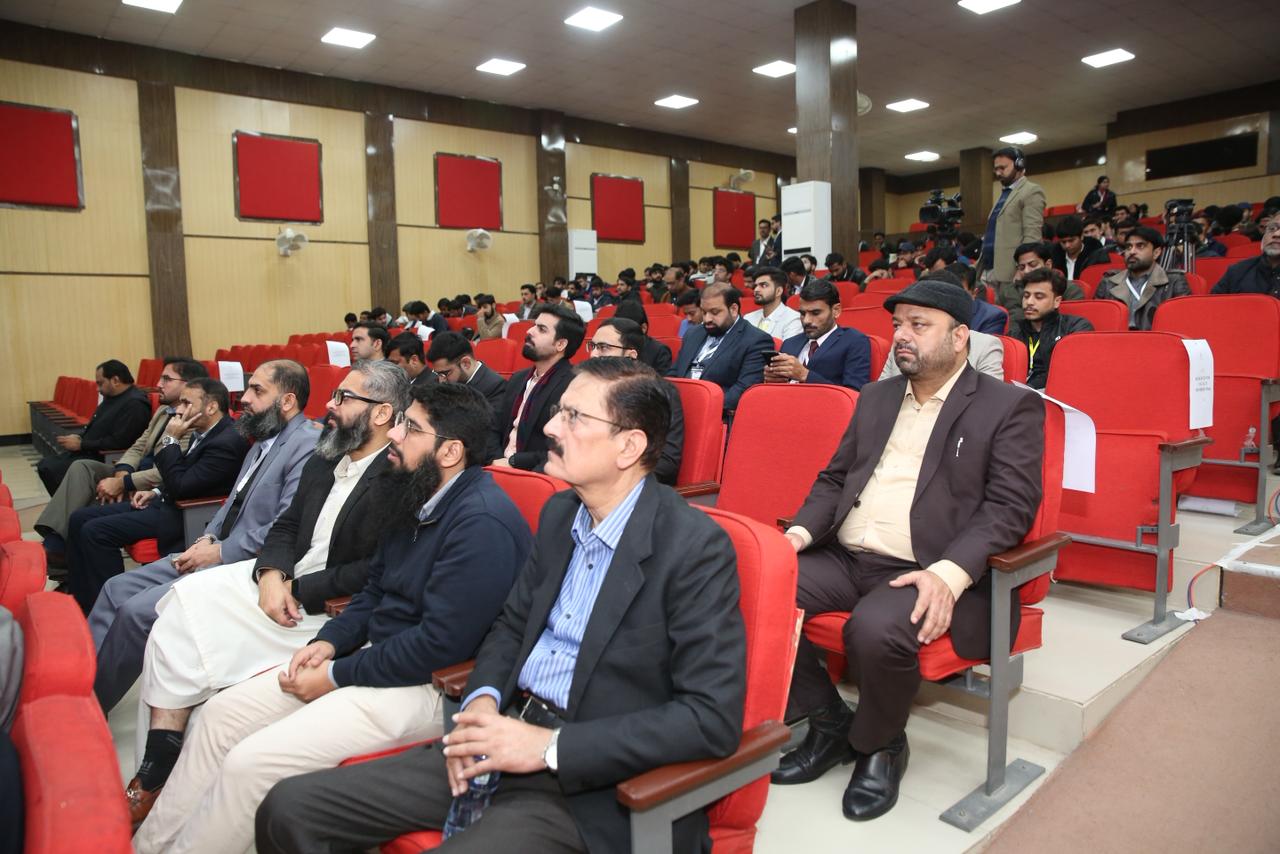 The conference featured keynote addresses by renowned international scholars, including Dr. Mohamed Wiem Mkaouer (University of Michigan–Flint, USA) and Prof. Dr. Bernard J. Jansen (Water Computing Research Institute). The keynote sessions focused on current developments and future directions in computing, artificial intelligence, and data-driven technologies.
Additionally, Prof. Dr. Nosherwan Shoaib, Chair of the IEEE Islamabad Section, delivered a special talk highlighting AI-driven technological transformations and their rapidly growing impact on the global digital ecosystem.
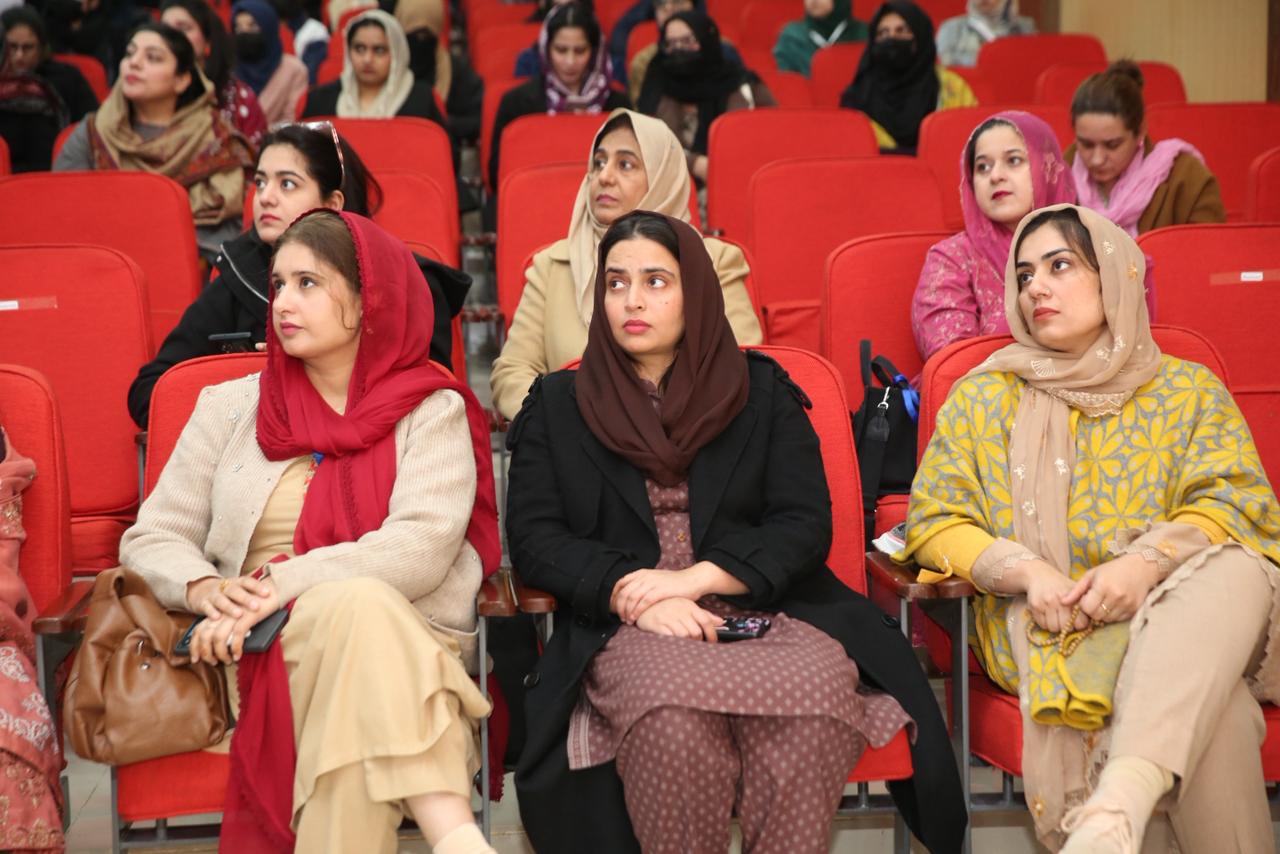 A dedicated panel discussion titled “Artificial Intelligence: Opportunities and Challenges” was also held, featuring Prof. Saad Naeem Zafar, Prof. Dr. Yasir Ayyaz, and Prof. Dr. Naveed Ikram as panelists. The discussion provided valuable insights into the ethical, social, and practical implications of artificial intelligence and its future prospects.
The 27th IEEE INMIC 2025 served as a vital platform for knowledge exchange, academic networking, and collaborative research, reinforcing Pakistan’s growing role in global computing and intelligent systems research.