

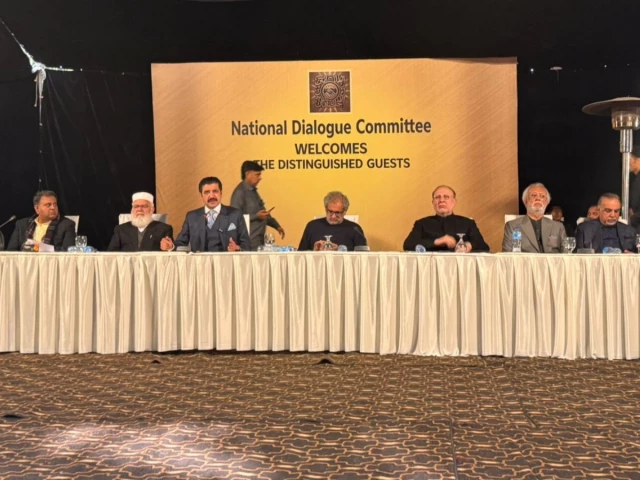
Pakistan once again stands at a political crossroads. The recent initiative by the National Dialogue Committee has revived talk of reconciliation. On paper, the idea sounds positive. In reality, the chances remain weak. The main reason is clear. PTI Dialogue Failure is rooted in the party’s current mindset and leadership tone.
Imran Khan’s position leaves little room for compromise. From jail, his message remains confrontational. He rejects talks unless his terms are accepted first. This approach blocks trust. Dialogue cannot work when one side demands surrender before discussion. This rigid line fuels PTI Dialogue Failure from the start.
Recent statements by the Chief Minister of Khyber Pakhtunkhwa have made the situation worse. The CM has openly echoed hardline views. He has warned against any flexibility. Other senior PTI figures have taken the same path. They attack institutions. They question the system. Such language shuts the door on meaningful engagement. It strengthens the perception of PTI Dialogue Failure.
The National Dialogue Committee itself lacks political weight. Major parties stayed away. Even PTI officially distanced itself from the forum. When a party disowns dialogue but allows mixed signals from some members, confusion grows. This internal split further deepens PTI Dialogue Failure.
Dialogue needs mutual respect. It also needs patience. PTI’s current strategy is pressure, not negotiation. Street power, legal battles, and hostile rhetoric dominate their politics. In this environment, talks become a tactic, not a solution. That is another reason why PTI Dialogue Failure looks inevitable.
There is also a trust deficit. PTI’s past behavior matters. During its time in power, the party showed little tolerance for opposition voices. Media pressure increased. Political arrests were defended. Now, calls for freedom and fairness sound selective.
Pakistan faces economic stress and security challenges. The country needs calm politics. Dialogue could help. But dialogue needs willingness. At present, PTI’s leadership appears unwilling to soften its stance. As long as confrontation remains the core strategy, such initiatives will struggle.