


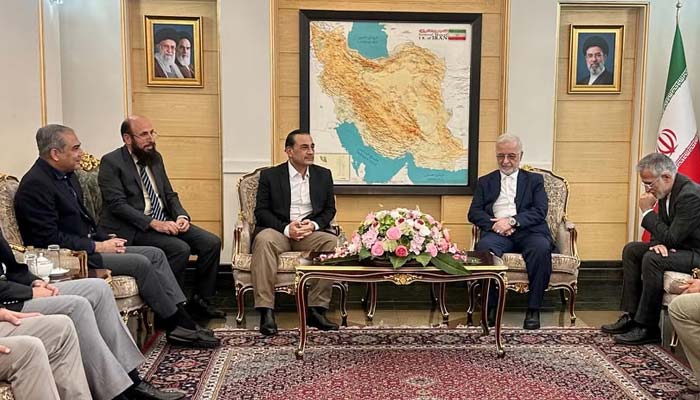
Pakistan’s military chief, Field Marshal Syed Asim Munir, arrived in Tehran on Monday for high-level talks aimed at easing regional tensions, meeting Iranian Interior Minister Eskandar Momeni shortly after landing.
The Chief of Defence Forces and Chief of Army Staff is expected to hold a series of meetings with senior Iranian leaders throughout his visit, according to Iran’s Fars news agency. The trip marks the latest step in the Asim Munir Iran visit that Islamabad says reflects its broader commitment to regional stability.
Why the Asim Munir Iran Visit Matters Now
In a statement released ahead of the trip, the Inter-Services Public Relations (ISPR) said the visit forms part of Pakistan’s continued efforts to encourage peace across the region. ISPR added that Munir’s agenda centers on supporting a durable and comprehensive settlement to the ongoing Middle East conflict.
The field marshal was joined on the trip by Interior Minister Mohsin Naqvi, the military’s media wing confirmed.
Pakistan Iran mediation efforts have positioned Islamabad as a key go-between in talks between Tehran and Washington, as both sides work to bring a lasting end to hostilities that erupted following US and Israeli strikes on Iran in February. Prime Minister Shehbaz Sharif’s government previously helped negotiate a two-week ceasefire on April 8, which halted six weeks of fighting, and Pakistani officials have continued facilitating communication between the two capitals since then.
The visit unfolds against a backdrop of rising tension, with Tehran warning of a potential military response should Washington move forward with fresh sanctions expected to further squeeze Iran’s already struggling economy.
Heavy Toll From Months of Conflict
Since fighting began on February 28, thousands of lives have been lost, the majority in Iran and Lebanon. The conflict has significantly weakened Iran’s conventional military strength and taken a severe economic toll, and also resulted in the death of Iranian Supreme Leader Ayatollah Ali Khamenei.
Despite these losses, Iran is reported to retain sufficient missile and drone capability to threaten its Gulf neighbors and disrupt oil tanker traffic through the Strait of Hormuz, a critical global shipping route. That disruption has driven world fuel prices higher and brought much of the waterway’s traffic to a halt. The current status of Iran’s nuclear program, a central target for both American and Israeli forces, remains unclear.
Munir’s trip coincides with an anticipated Monday announcement detailing new sanctions, which US officials have described as among the most severe ever imposed on Iran. President Trump has previously cautioned that any nation offering Iran economic support could face consequences, as part of a broader push to isolate the country diplomatically and financially.
Iran US Ceasefire Talks Remain Fragile
Oil exports through the Strait of Hormuz have largely stalled, with Iranian authorities threatening action against any tankers attempting passage without authorization. Combined with existing sanctions, this has placed additional strain on an economy already grappling with high inflation, currency depreciation, and energy shortages.
Entering the conflict, Iran faced deep structural economic challenges. It must now also manage the fallout from damaged infrastructure, interrupted trade, reduced production, and the long road to reconstruction.
This is not Pakistan’s first attempt at brokering peace between Washington and Tehran. An earlier round of Pakistan Middle East diplomacy produced an interim agreement, the Islamabad Memorandum, signed in June. However, the accord broke down soon after amid renewed fighting, raising fears that the conflict could widen into a broader regional crisis.