


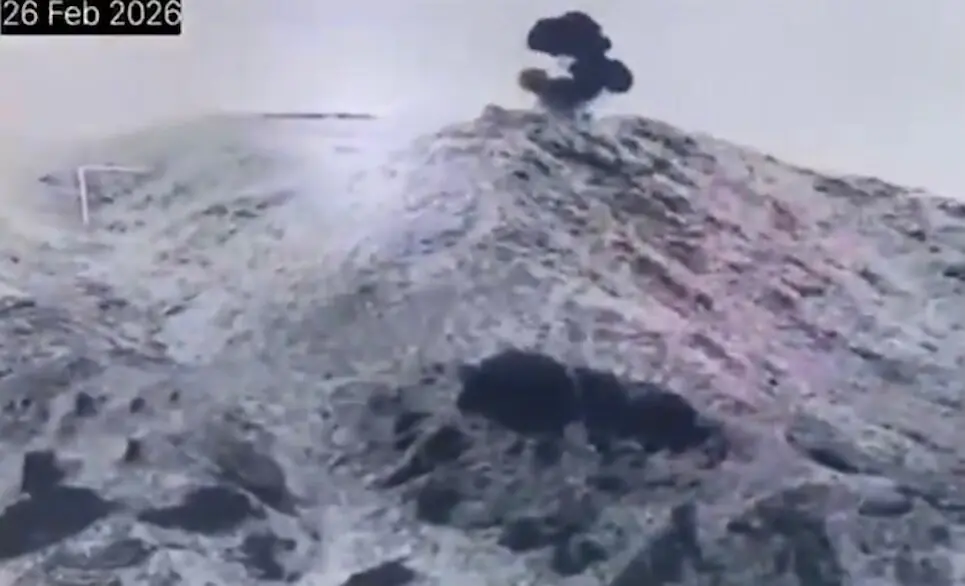
The Pakistan Afghanistan conflict has entered a dangerous new phase after Pakistan launched large-scale airstrikes on military targets in Afghanistan. The strikes targeted key installations in Kabul, Kandahar, and Paktia, marking one of the most serious escalations between the two neighbors in recent years.
According to security sources, the operation, named Operation Ghazab-Lil-Haq, was launched in response to recent attacks on Pakistani border troops. Officials described it as a retaliatory move after months of rising tensions and cross-border violence.
Major Military Targets Hit
Pakistani forces reportedly carried out Pakistan airstrikes in Afghanistan against what they called Taliban defense facilities. In Kabul, two brigade headquarters were destroyed. In Kandahar, one corps headquarters, one brigade headquarters, an ammunition depot, and a logistics base were hit. Another corps headquarters was targeted in Paktia.
Security officials claimed that 133 Taliban fighters were killed and more than 200 injured. They also said over 80 tanks, artillery guns, and armored personnel carriers were destroyed during the operation. State broadcaster PTV News reported that Pakistan Air Force jets are continuing patrol missions over Kandahar following the strikes.


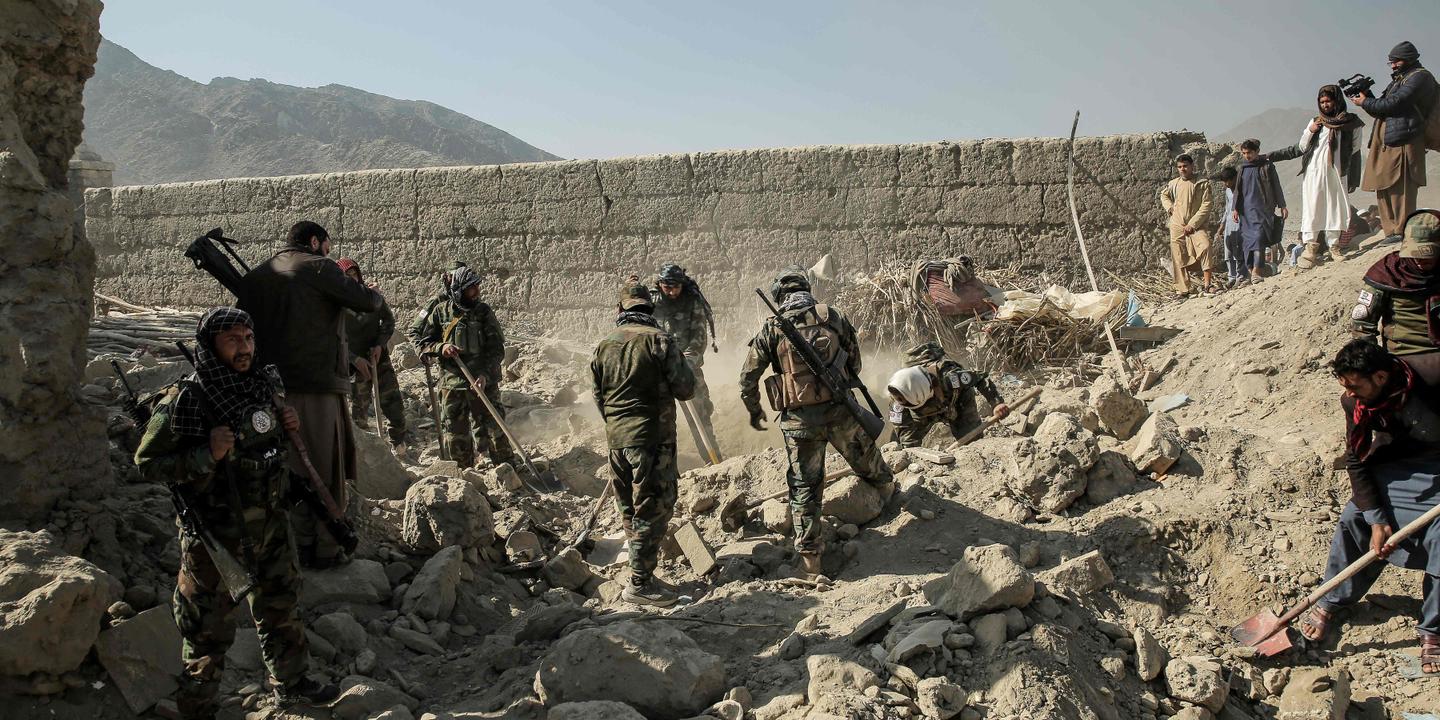

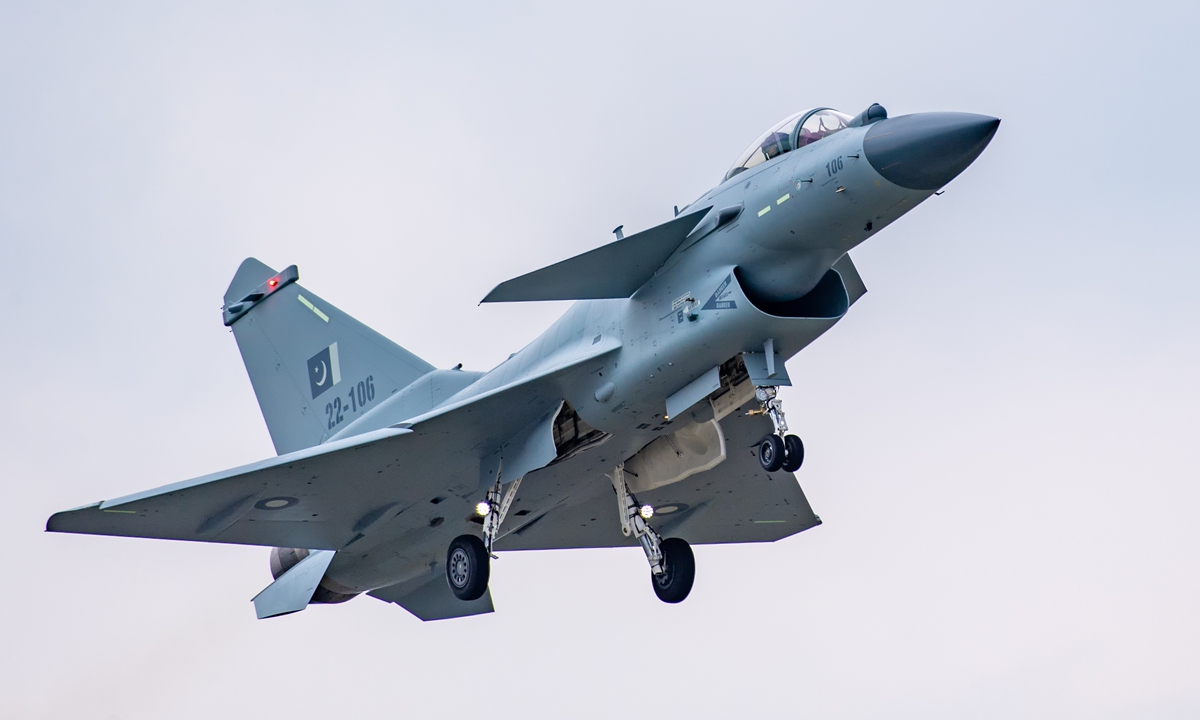
The Pakistan Afghanistan conflict has also intensified along the border. Pakistani forces said they destroyed 27 Afghan posts and captured nine others during Torkham border fighting, raising their flags over the captured positions. Officials described the response as “comprehensive and decisive,” adding that Pakistan is fully prepared for further escalation.
Leaders Speak Out
Defence Minister Khawaja Asif declared that the situation has reached the level of “open war.” In a social media post, he said Pakistan’s patience had run out.
Federal Information Minister Attaullah Tarar confirmed that Taliban defense targets were hit in Kabul, Kandahar, and Paktia.
President Asif Ali Zardari stated that Pakistan would not compromise on its territorial integrity. Prime Minister Shehbaz Sharif said the armed forces have the full capability to counter any aggression.
On the Afghan side, Taliban spokesman Zabihullah Mujahid confirmed that airstrikes took place but claimed there were no casualties.
Rising Regional Tensions
The Pakistan Afghanistan conflict has been building for months. Land border crossings have remained largely closed since deadly fighting in October that left over 70 people dead on both sides.
Islamabad has repeatedly accused Afghanistan of failing to act against militant groups operating from its soil. The Taliban government has denied these allegations. Previous ceasefire efforts, reportedly supported by Qatar and Turkey, failed to secure lasting peace.
AFP journalists in Kabul and Kandahar reported hearing jets and multiple explosions during the strikes. Gunfire was also heard for several hours.
A Region on Edge
This latest escalation in the Pakistan Afghanistan conflict comes at a time when Pakistan has already been facing deadly suicide attacks, including a recent mosque bombing in Islamabad claimed by the Islamic State group.
With both sides taking a firm stance, analysts warn that the situation could spiral further if diplomatic efforts do not resume soon. The region now watches closely as tensions between the two countries reach a critical point.
The Pakistan Afghanistan conflict has moved beyond border skirmishes into a full-scale military confrontation, raising fears of prolonged instability in the region.