


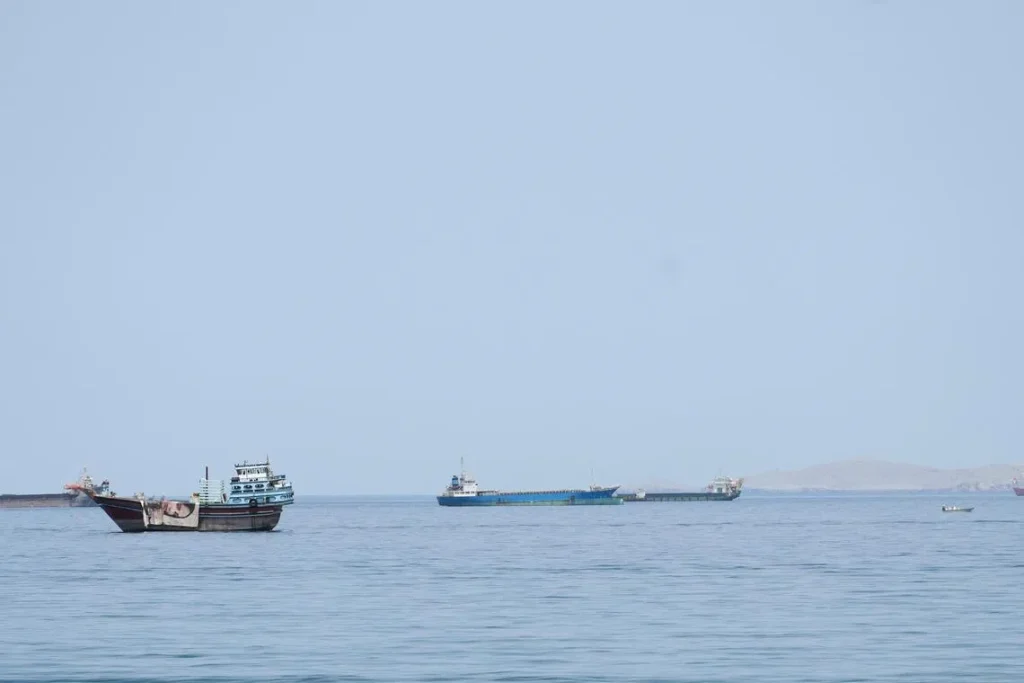
A possible deal to reopen Strait of Hormuz is taking shape as Iran puts forward a new plan to ease tensions and move toward ending the war. Reports say Tehran shared this proposal through mediators, suggesting that restoring shipping routes should come first, while nuclear talks can wait.
The idea behind the deal to reopen Strait of Hormuz is simple. Iran wants to focus on lifting blockades and securing safe passage through the key waterway before tackling more complex issues. The strait carries a large share of the world’s oil, so any disruption quickly affects global markets.
Abbas Araghchi has been actively engaging with mediators in Pakistan and Oman. During these meetings, he made it clear that Iran’s leadership is not fully aligned on how to respond to US demands. This internal divide adds another layer of uncertainty to the process.
At the same time, hopes for quick progress took a hit when Donald Trump canceled a planned visit by his envoys. He later said Iran could reach out directly if it wanted to negotiate, stressing that any deal must ensure Iran does not develop nuclear weapons.
The proposed deal to reopen Strait of Hormuz also includes extending the current ceasefire. Sources say this pause in fighting could turn into a long-term or even permanent arrangement if both sides agree on initial steps.
However, major gaps remain. The United States wants limits on Iran’s nuclear program and regional activities. Iran, on the other hand, seeks sanctions relief and an end to military pressure from its rivals. These differences continue to slow progress.
Despite the challenges, the focus on maritime access shows a shift in strategy. By pushing a deal to reopen Strait of Hormuz, Iran appears to be testing a step-by-step approach. First stabilize trade routes, then move toward broader negotiations.
The proposal has reached the White House, but officials have not said whether they will pursue it. For now, both sides remain cautious, even as the economic and political costs of the conflict continue to grow.