


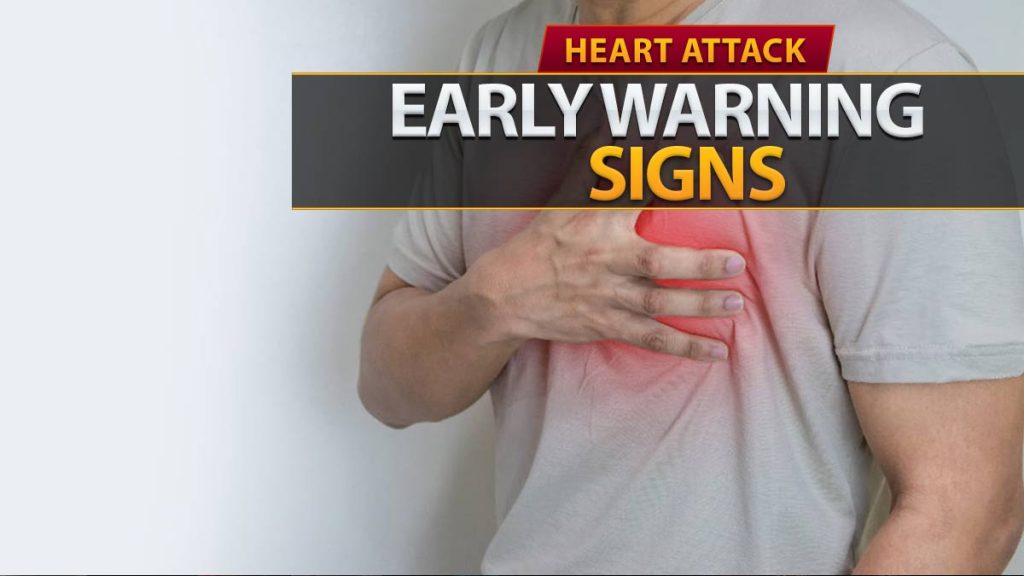
Heart attack remains one of the leading causes of death worldwide, affecting millions every year. However, medical experts say the body often gives early warning signs weeks before a major heart attack, and recognizing them in time can help prevent serious or permanent heart damage.
According to cardiologists, early symptoms should never be ignored, as timely medical attention can stop a mild condition from turning into a life-threatening emergency. Early treatment allows doctors to identify the underlying cause and protect the heart from long-term damage.
Common Early Symptoms of a Heart Attack
Early symptoms vary from person to person. Some people experience only a few signs, while others may notice multiple symptoms that come and go over days or weeks, gradually increasing in intensity:
- Pressure, tightness, or heaviness in the chest
- Pain or discomfort in one or both arms
- Jaw pain
- Extreme fatigue or weakness
- Anxiety or a sense of unease
- Nausea or a feeling of vomiting
- Pain in the upper back
- Shortness of breath
- Burning, squeezing, or discomfort in the chest
Difference in Symptoms Between Men and Women
Men: Pain or discomfort is commonly felt on the left side of the chest or left arm.
Women: Symptoms may spread to the right side, neck, jaw, or upper back. Women often experience severe fatigue, dizziness, nausea, or shortness of breath. In many cases, these signs are mistaken for indigestion, stomach problems, or flu.
Experts warn that women are less likely to seek immediate medical help, increasing the risk of severe complications.
Why Immediate Action Is Critical
Medical studies show that up to 85% of heart muscle damage can occur within the first two hours of a heart attack. This makes early recognition and fast response crucial:
- Take symptoms seriously, whether in yourself or others
- Seek medical help immediately if there is any doubt
- Emergency medical teams can begin treatment before reaching the hospital and attempt resuscitation if the heart stops
Risk Factors That Increase Heart Attack Chances
Several risk factors raise the likelihood of a heart attack, many of which can be controlled through lifestyle changes:
- Repeated chest pain, pressure, or burning
- Family history of heart disease
- High blood pressure
- Obesity or excess weight
- Lack of physical activity
- Smoking
- Diabetes and metabolic disorders
Women-specific risks include: pregnancy complications, preeclampsia, gestational diabetes, or giving birth to low-weight babies.
What Happens During a Heart Attack?
The heart’s main job is to pump blood throughout the body. To do this, it needs a steady supply of oxygen-rich blood through the coronary arteries. When this supply is blocked, the heart muscle begins to suffer damage. This condition is medically known as myocardial infarction, commonly called a heart attack.
If the heart suddenly stops pumping blood, the condition is called cardiac arrest.
A common cause of heart attacks is atherosclerosis, where cholesterol builds up inside the arteries. This buildup can rupture and form a blood clot, blocking blood flow and leading to a heart attack or stroke.