


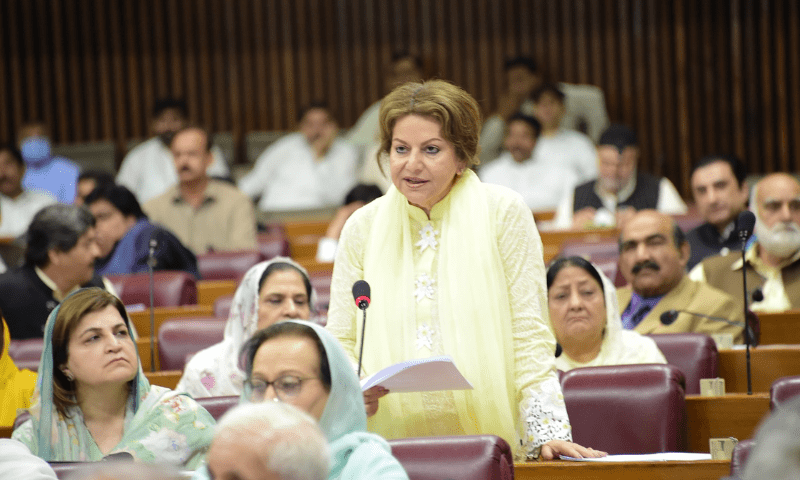
Female lawmakers shaping Pakistan policy are playing a far more active and influential role than many assume, as new data highlights their growing impact in parliament. Their contribution is not limited to social issues but extends across key national matters.
During the second year of the current National Assembly, women members submitted over 1,200 agenda items. This shows strong participation and a clear effort to influence national decision-making. A detailed review by Free and Fair Election Network reveals that most of these contributions focused on major policy areas.
Around 72% of the agenda items dealt with core national issues such as the economy, taxation, governance, and security. These are areas often seen as dominated by male lawmakers. In contrast, only a small portion focused on gender-specific matters, while some addressed local constituency concerns.
The findings challenge a common belief that women in parliament mainly focus on women’s rights or social welfare. Instead, female lawmakers shaping Pakistan policy are actively engaging in a wide range of legislative matters, similar to their male counterparts.
The analysis covered parliamentary records over a full year and classified each agenda item into clear categories. This approach helped measure not just how much women participate, but also how broad their focus is.
Experts say this wider engagement reflects a stronger and more balanced role for women in politics. Female lawmakers shaping Pakistan policy are not limited to a narrow space. They are contributing across the board while still raising important issues related to social protection and equality.
This shift highlights a changing political landscape where women are becoming key voices in national debates. Their growing presence and active participation suggest that the future of policymaking in Pakistan will be more inclusive and diverse.