


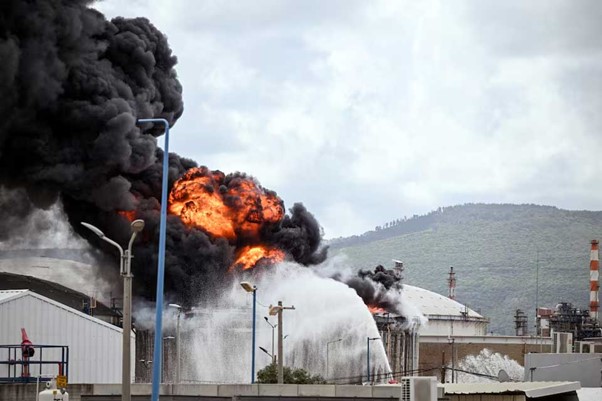
Iran missile attack on Israel marked a sharp escalation on Monday as Tehran launched multiple waves of missiles, vowing to punish what it called aggression. In response, Israeli forces carried out heavy strikes on targets in Tehran, while the conflict continued to spread across the region.
The Iran missile attack on Israel came alongside rising tensions from other fronts. Israeli officials said two drones from Yemen were intercepted, following recent missile launches by Iran-backed groups. At the same time, more rockets were fired toward Israel from Lebanon, adding to fears of a wider regional war.
Israeli military operations expanded beyond Iran. Strikes were reported on key sites in Tehran and also in Beirut, where infrastructure linked to armed groups was targeted. The ongoing exchanges have kept the region on edge, with both sides showing no sign of backing down.
The situation has also drawn in global powers. US President Donald Trump said Washington and Tehran had engaged in both direct and indirect talks. He described Iran’s new leadership as reasonable but continued to send more troops to the region, raising concerns about a possible ground escalation.
Tehran, however, remained defiant. Officials said the country would continue to respond strongly and ensure such attacks are not repeated. The Iran missile attack on Israel is being seen as part of a broader strategy to create deterrence and push back against foreign pressure.
The conflict has already caused serious economic shockwaves. Oil prices jumped sharply, with global markets reacting to disruptions in key supply routes. The Strait of Hormuz, a vital passage for global energy shipments, has been severely affected. There are also growing concerns about the Bab el-Mandeb route, which could further impact trade.
Pakistan has stepped in as a potential mediator and is preparing to host talks aimed at reducing tensions. It remains unclear if both sides will agree to participate, but diplomatic efforts are gaining urgency as the war drags on.
Meanwhile, casualties continue to rise across multiple countries. Thousands have been reported killed in Iran, along with heavy losses in Lebanon and Iraq. The ongoing violence has also forced airlines to raise fares due to rising fuel costs, adding pressure on global travel and economies.
As the Iran missile attack on Israel continues to shape events, fears of a prolonged and wider conflict are growing. The coming days will be critical in determining whether diplomacy can succeed or the region moves deeper into crisis.