


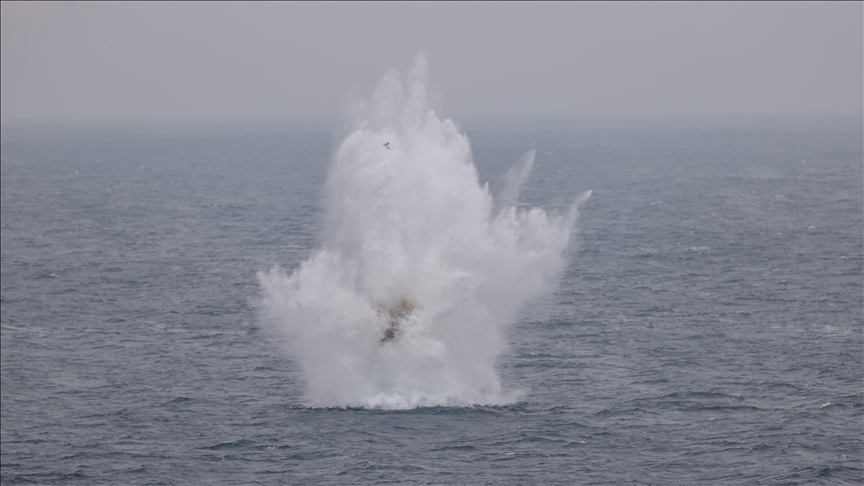
Iran threatens to deploy mines in Gulf, raising fresh concerns about global trade and energy supplies as tensions continue to rise with the United States and Israel. The warning came after Tehran signaled it would respond strongly to any attack on its coastal areas or islands.
Officials said that if such an attack happens, Iran could block key routes in the Gulf by placing naval mines, including floating devices that can be launched from the shore. This move could severely disrupt shipping lanes and communication routes across the region.
The latest statement reflects a growing standoff in the region. Iran has made it clear that it will match any strike with a similar response. It has also warned that energy infrastructure could become a target if its own facilities are hit.
At the same time, tensions have increased around the Strait of Hormuz, one of the world’s most important oil routes. A large portion of global oil passes through this narrow waterway, and any disruption could push fuel prices higher worldwide.
The conflict has already started affecting shipping activity. Reports suggest that vessel movement has slowed significantly due to rising risks in the area. Insurance concerns and security threats have made it difficult for ships to operate normally.
Iran’s military leadership has also hinted that it could keep the Strait of Hormuz restricted until its damaged infrastructure is restored. This has added more uncertainty to global markets, which are already under pressure.
Meanwhile, the situation on the ground remains tense. Air strikes and missile attacks continue, with both sides showing no signs of backing down. Despite heavy bombardment, Iran has demonstrated that it still has the ability to respond.
The growing crisis has triggered fears of a wider regional conflict. Analysts warn that if the situation continues, it could lead to a prolonged disruption in oil and gas supplies, affecting economies around the world.