


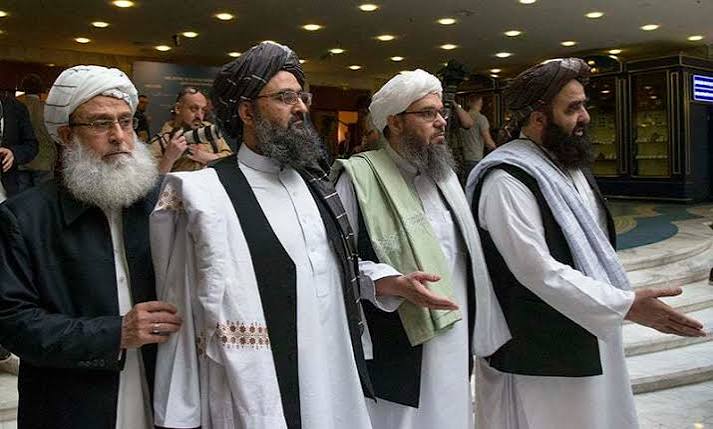
Iran’s Jomhouri-e Eslami newspaper has accused the Taliban of fighting a silent war against Iran. It cautioned that Tehran’s current approach to the group could damage the country’s long-term interests, putting fresh scrutiny on Iran Taliban relations.
The criticism appeared in an editorial published on Wednesday, 7 October, in which the paper sharply condemned Tehran’s policy toward the Taliban.
Editorial Challenges Tehran’s Stance on the Taliban
The editorial noted that since the Taliban regained power in Afghanistan in 2021, some Iranian politicians and officials had tried to justify the group’s rule. Some had even praised it for ending the 20-year US presence in the country.
The newspaper called that view mistaken. It alleged that the Taliban returned to power with American backing and through an agreement with Washington.
To support the claim, it pointed to the swift collapse of Ashraf Ghani’s government, the Taliban’s takeover of Kabul with little resistance, the withdrawal of US forces and the military equipment left behind at Afghan bases. In the editorial’s view, these developments suggested secret understandings between the United States and the Taliban.
Jomhouri-e Eslami further alleged that the Taliban have kept up ties with the United States since taking power and have received monthly financial assistance from Washington. It also claimed the group has not taken a critical position on US regional policies.
Claims That the Taliban Are Undermining Iran’s Influence
According to the editorial, the Taliban have pursued measures inside Afghanistan that weaken Iran’s influence and standing. The newspaper accused the group of restricting institutions and groups close to Iran and targeting certain ethnic and religious communities.
It also said the Taliban have reduced the presence of Shia groups in Afghanistan’s social and political structures, in an effort to wear down Iran’s traditional sources of influence.
The writer additionally accused the Taliban of taking a confrontational line on Iran’s share of water from the Helmand River. Beyond that, the editorial alleged, without offering specific evidence, that the group has sent operatives into Iran, been involved in some attacks and explosions, and organised operations against its opponents in Iranian cities.
How Iran and the Taliban Currently Engage
Despite the criticism, Iran maintains extensive contact with the Taliban. Tehran has handed control of the Afghan embassy to Taliban-appointed diplomats, and Taliban delegations have visited Iran repeatedly in recent years. Iran has not, however, formally recognised the Taliban administration.
Helmand River Dispute and Years of Shifting Ties
Disputes over Helmand water rights have become one of the main sources of friction between Tehran and the Taliban over the past three years. In 2023, border tensions between Iranian and Taliban forces in Nimroz escalated into an armed clash that left several people dead and wounded.
Iran Taliban relations have shifted sharply over the last three decades. The two sides came close to war in the late 1990s after Iranian diplomats were killed in Mazar-i-Sharif. After the Taliban’s first government fell in 2001, communication channels gradually developed between Tehran and the group.
Water rights on the Helmand River, border security, large-scale Afghan migration to Iran and Tehran’s worries about militant groups operating in Afghanistan remain the main challenges between the two sides.