


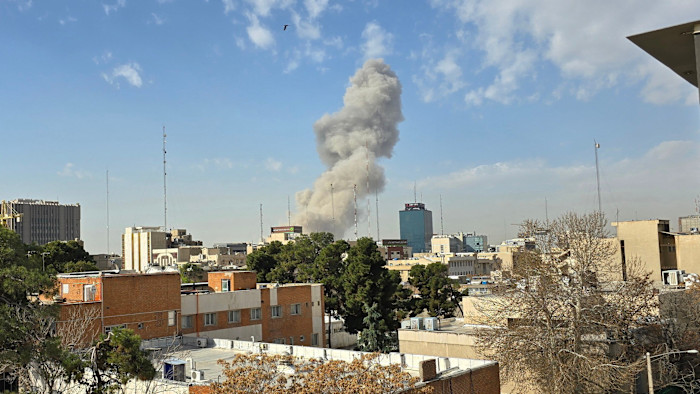
The Israel Iran pre-emptive attack has pushed the region back into crisis, with Israel confirming it launched strikes to counter what it described as growing threats from Tehran. The move marks another sharp escalation in the long-running standoff between the two rivals.
Israeli Defence Minister Israel Katz said the operation aimed to remove direct dangers to the country. According to Israeli officials, Iran continued advancing its nuclear and ballistic missile programmes despite repeated warnings from both Israel and the United States. The Israel Iran pre-emptive attack came after months of tension and follows a 12-day air war between the two sides earlier this year.
Iranian media reported explosions in several cities, including Isfahan, Qom, Karaj, and Kermanshah. These locations hold strategic importance, which has heightened concerns about possible further retaliation. The latest Israel Iran pre-emptive attack has once again dimmed hopes for diplomacy over Tehran’s nuclear dispute with Western powers.
Soon after launching the strikes, Israel imposed emergency restrictions across the country. Authorities suspended educational activities, banned public gatherings, and halted non-essential workplace operations. Essential sectors remained active. Israel also closed its airspace to civilian flights as a precaution against potential counterattacks.
An Israeli defence official said the Israel Iran pre-emptive attack was coordinated with the United States. The operation had reportedly been in preparation for months, and leaders decided on the final timing weeks ago. While Washington and Tehran resumed negotiations in February to resolve their decades-long nuclear dispute, Israel insisted that any agreement must dismantle Iran’s nuclear infrastructure completely and address its missile programme as well.
Iran has maintained that it is willing to discuss limits on its nuclear programme in exchange for sanctions relief. However, it has refused to link those talks to its missile capabilities. Tehran also warned that it would defend itself against any aggression. In previous confrontations, Iran responded strongly. In June, after US forces joined Israeli strikes on Iranian nuclear facilities, Tehran launched missiles toward the Al Udeid air base in Qatar.
Following the latest Israel Iran pre-emptive attack, reports indicated that Iran’s Supreme Leader Ayatollah Ali Khamenei was moved to a secure location outside Tehran. The development signals how seriously Iranian authorities view the current situation.
Western governments argue that Iran’s ballistic missile project threatens regional stability and could potentially deliver nuclear weapons. Iran denies seeking atomic bombs and says its programme is for peaceful purposes.
The Israel Iran pre-emptive attack has now added fresh uncertainty to an already volatile region. Diplomatic efforts face serious pressure as both sides prepare for possible next steps. Whether tensions cool or escalate further will depend on how each side responds in the coming days.