


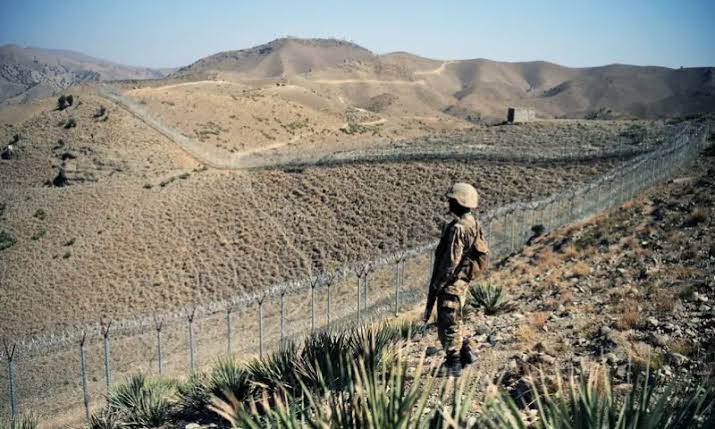
A soldier was martyred and 12 Fitna al-Khawarij and Afghan Taliban personnel were killed after an attempted Kurram infiltration from Afghanistan, the Inter-Services Public Relations (ISPR) said on Sunday.
According to the military’s media wing, a group of khwarij was seen moving toward the international border from the Afghan side on October 10. Security forces engaged the group, the ISPR said in a statement issued on October 11.
How the Kurram Infiltration Attempt Unfolded
The ISPR said troops were on high alert but still came under fire from Afghan Taliban posts. It said those posts opened fire to back the infiltration attempt.
Troops responded with what the statement called skilful and precise engagement, which led to the deaths of 12 khwarij and Afghan Taliban personnel. The soldier who lost his life was Naib Subedar Hidayat Aman, 40, a resident of Ghizer district. He was martyred during the intense exchange of fire.
A sanitisation operation is under way in the area, the ISPR said, to clear any remaining Indian-sponsored khwarij.
ISPR Blames Afghan Taliban Regime
The military said the incident once again supported Pakistan’s long-held position on the Afghan Taliban regime. In its view, Kabul has failed to stop terrorist organisations from using Afghan soil. The ISPR went further, alleging that the regime has facilitated and patronised cross-border terrorism.
It also said the Afghan Taliban government had repeatedly fallen short of its international counter-terrorism obligations.
The ISPR reaffirmed that security forces and law enforcement agencies would continue their campaign under the “Azm-e-Istehkam” vision. The vision was approved by the Federal Apex Committee on the National Action Plan and aims to eliminate foreign-sponsored and supported terrorism. The statement added that the sacrifices of security personnel strengthen the country’s resolve to protect its frontiers at all costs.
Part of a Wider Security Pattern
The Kurram infiltration comes two days after forces killed seven Fitna al-Khwarij terrorists in an intelligence-based operation (IBO) in North Waziristan, Khyber Pakhtunkhwa. The ISPR said that operation targeted India-backed militants under the same Azm-e-Istehkam vision, and that several hideouts were also destroyed.
Pakistan has seen a sharp rise in cross-border terrorist incidents since the Afghan Taliban returned to power in 2021. Khyber Pakhtunkhwa and Balochistan have been hit hardest.
September 2026 was the worst month for militant attacks in Pakistan in 12 years. The Pakistan Institute for Conflict and Security Studies (PICSS), an Islamabad-based independent think tank that monitors anti-state violence, recorded 225 attacks across the country. That compares with 199 in August, a rise of 13%, and marks the third straight monthly increase.
Islamabad and Kabul Remain Divided
Islamabad has repeatedly asked Kabul to stop militant groups from using Afghan territory for attacks inside Pakistan. It maintains that the Afghan Taliban authorities have not taken effective action against groups behind attacks on Pakistani security forces and civilians.
Several rounds of talks have failed to settle the matter. The presence of militant groups on Afghan soil remains the main point of contention between the two sides.