


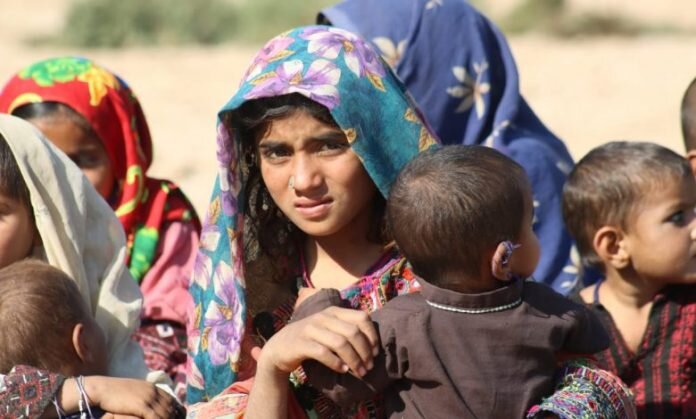
In Balochistan, a quiet but alarming battle is unfolding online and in the shadows of society. Militant networks are no longer just targeting security forces—they are turning their focus to the most vulnerable: women and children. These groups exploit poverty, trauma, and social isolation to manipulate young minds, grooming them for deadly acts, including suicide attacks.
Recent intelligence-led operations have exposed how extremists deliberately recruit girls from disadvantaged families. Militants use social media platforms like WhatsApp and Telegram to introduce hateful ideologies, slowly isolating their targets into closed groups where violent acts are glorified. Over time, these young recruits are conditioned psychologically, making them believe that sacrificing their lives serves a higher cause.
Tragically, personal loss often makes these children more vulnerable. Orphans or those living in poverty are prime targets for manipulation. In one recent case, a teenage girl from Balochistan was lured by an agent of a banned militant group, transported to Karachi under false pretenses, and prepared for a suicide mission. She was rescued in time during a checkpoint operation, saving her from becoming a pawn in a broader extremist agenda.
Security agencies, including the Counter Terrorism Department (CTD), are intensifying operations to dismantle these networks. But experts stress that the fight against radicalisation cannot rely solely on arrests. Public awareness, family vigilance, and community education are equally critical in stopping extremists from exploiting the vulnerable.
It is crucial to understand that this exploitation is entirely contrary to Baloch culture. Women and children have historically been protected and respected in the region. Militants are importing a violent ideology that has no roots in local traditions, attempting to twist societal values to serve their destructive goals.
Pakistan’s response combines intelligence gathering, proactive law enforcement, and protective measures for those rescued. By saving individuals before they can be used as tools of terror and providing psychological and social rehabilitation, authorities aim to break the cycle of exploitation and radicalisation.
The challenge is growing. As extremists become more sophisticated in online manipulation and recruitment, the state and society must remain vigilant. Protecting women and children from radicalisation is not only a fight against terrorism—it is a fight for the future of Balochistan and Pakistan. Every rescued life is a victory against the shadow networks that threaten the nation from within.