


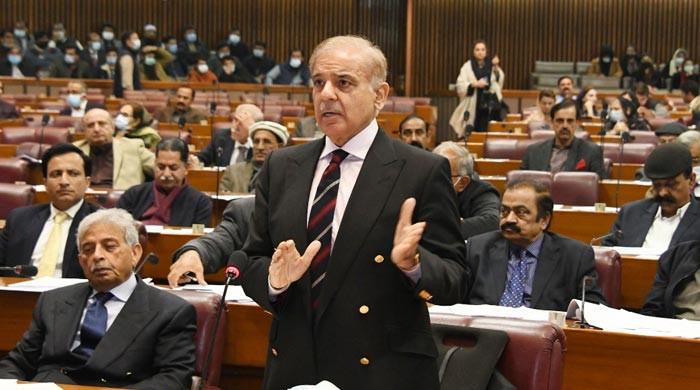
Mini Budget plans have been firmly rejected by Prime Minister Shehbaz Sharif, who has decided not to introduce any new taxes at this stage. The move comes as the government looks to ease financial pressure on the public rather than increase it.
According to sources, the economic team had suggested fresh tax measures to cover a revenue gap. However, the prime minister did not agree with the proposal. He made it clear that a Mini Budget is not under consideration and instructed officials to avoid any new taxation for now.
The idea of presenting the federal budget earlier, in the last week of May, was also turned down. The government will not bring a Mini Budget or new taxes before June. This decision signals a cautious approach as economic conditions remain uncertain.
Among the proposals was a plan to impose sales tax on petroleum products. Officials believed it could help boost revenue, especially with ongoing tensions in the Middle East. But the prime minister rejected the idea, noting that rising global oil prices have already increased the burden on citizens.
He stressed that further taxes would only add to public hardship. Instead, he directed the economic team to focus on relief measures in the upcoming budget. The government now plans to present the federal budget in the first or second week of June.
The prime minister also highlighted the importance of talks with the International Monetary Fund. He urged officials to seek some relief through negotiations, given the current economic challenges.
With the Mini Budget off the table, the government appears to be prioritizing stability and public support. The coming budget is expected to reflect these priorities, with a stronger focus on easing inflation and managing economic pressure.