


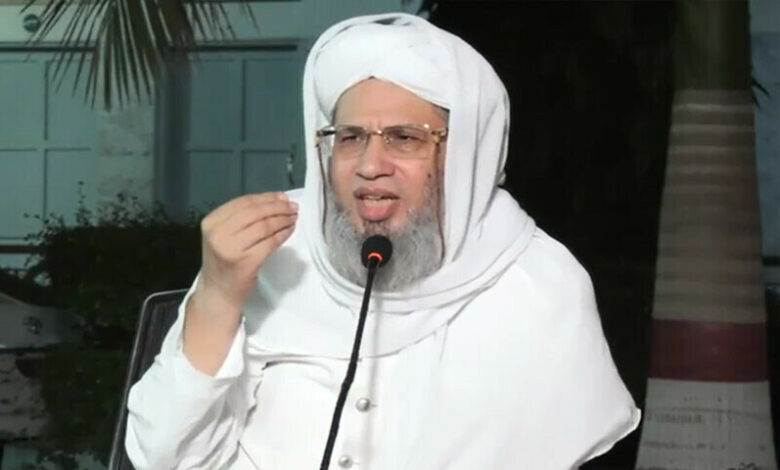
Mufti Abdul Raheem’s analysis on Afghan Taliban’s so-called Sharia system presents a critical view of its governance approach, policy framework, and claims of implementing Islamic principles. In Mufti Abdul Raheem analysis, several concerns are raised regarding the gap between stated objectives and practical actions taken by the Afghan administration.
According to Mufti Abdul Raheem analysis, the Afghan Taliban’s so-called Sharia system is seen as inconsistent with the commitments made under the Doha Agreement. The analysis suggests that Afghan soil has allegedly been used in ways that contradict international understandings, including concerns about the presence of militant groups operating within the country. It is claimed that thousands of armed individuals and multiple factions exist, which adds to regional security concerns.
Mufti Abdul Raheem analysis also points to the structure of governance under the current setup. It argues that the system has moved toward a more permanent arrangement without inclusive representation of all groups within society. This lack of inclusivity is described as a factor that may weaken trust in the Afghan Taliban’s so-called Sharia system and limit its acceptance both domestically and internationally.
Another key aspect highlighted in Mufti Abdul Raheem analysis is the reported imbalance in legal treatment. The analysis claims that certain groups may receive preferential consideration, while ordinary citizens are subject to stricter regulations. This perceived disparity is presented as conflicting with widely accepted principles of equality associated with Islamic governance.
Mufti Abdul Raheem analysis also focuses on education policies, particularly the restrictions placed on girls’ access to modern education. It emphasizes that education for both genders is widely supported across many Muslim-majority countries, including Pakistan and others, where female students continue to pursue both religious and academic learning. The analysis questions the long-term impact of limiting educational opportunities for women, especially in fields such as healthcare and social services.
The importance of women in professions like medicine is also discussed in Mufti Abdul Raheem analysis. It notes that certain sectors require female professionals, particularly in areas related to maternity care and sensitive social matters. Limiting access to education, according to the analysis, may create practical challenges in delivering essential services to society.
Mufti Abdul Raheem analysis further references leadership perspectives that have been reported through secondary accounts, using them to question the understanding of modern systems and institutions among decision-makers. The analysis suggests that such viewpoints may not align with contemporary global practices.