


The United States has moved forward with its plan to blockade Iran ports, signaling a sharp escalation in tensions across the Gulf. Officials say the operation will continue for as long as needed, with strict monitoring of all vessels heading to or from Iranian waters.
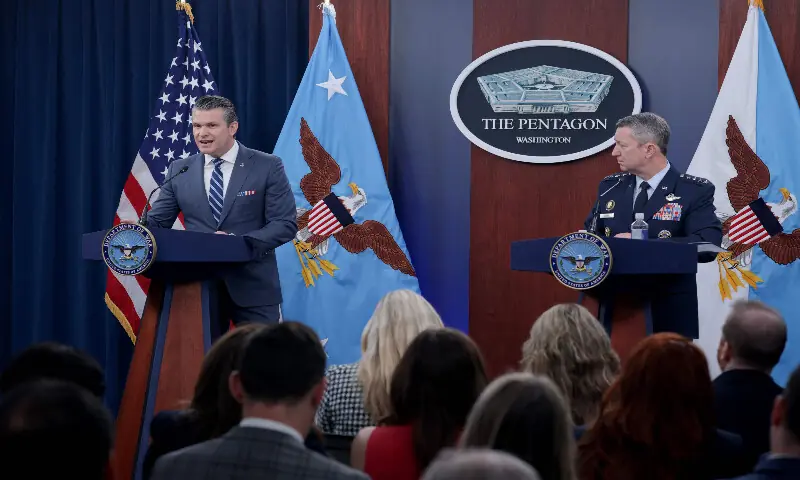
Speaking to reporters, US Defence Secretary Pete Hegseth made it clear that the blockade applies to every ship, no matter its nationality. He warned that Washington is closely watching Iran’s actions and stressed that the US holds a clear military advantage.
The decision to blockade Iran ports is part of a broader strategy to cut off Tehran’s oil exports and disrupt its maritime trade. US military officials say several vessels have already been forced to turn back, showing early impact of the operation.
Officials added that the US Navy remains on high alert and has deployed only part of its total strength so far. This suggests the operation could expand if needed. Military leaders also said forces are ready to launch strikes at short notice if the situation worsens.
The blockade targets ships linked to Iranian trade, especially those involved in oil shipments. Early reports indicate that maritime traffic in the region has slowed, with some vessels avoiding Iranian routes due to rising risks.
US commanders have also warned that further steps remain on the table. These could include strikes on key infrastructure if Iran refuses to negotiate. The goal, they say, is to reopen safe shipping routes while increasing pressure on Tehran.
The move to blockade Iran ports comes after failed diplomatic efforts and growing conflict in the region. It has raised concerns about global trade, as the Strait of Hormuz remains one of the world’s most important oil routes.
Despite the rising tensions, US officials insist the operation is sustainable and can continue for an extended period. However, analysts warn that the situation could quickly escalate, with serious consequences for global energy markets and regional stability.