


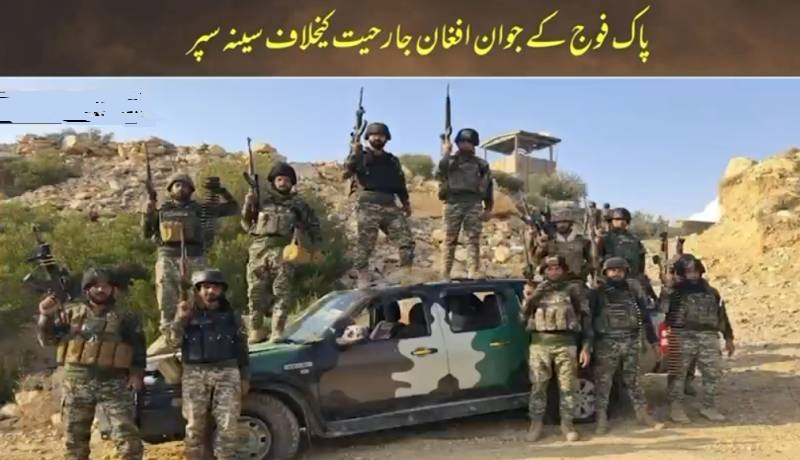
Operation Ghazab Lil Haq entered a decisive phase on February 28, 2026, as Pakistan intensified air and ground strikes against Afghan Taliban positions across the border. The operation began after what officials described as unprovoked cross-border attacks targeting multiple sectors in Khyber Pakhtunkhwa.
In Islamabad, Information Minister Attaullah Tarar said security forces inflicted heavy losses on the Afghan Taliban. According to official figures shared at different briefings, hundreds of militants were killed and wounded. Dozens of posts were destroyed, and several were captured. Pakistan maintains that Operation Ghazab Lil Haq will continue until all objectives are achieved.
Heavy Losses Reported Across Multiple Afghan Provinces
Security sources confirmed that Operation Ghazab Lil Haq targeted strategic sites in Kabul, Kandahar, Paktia, Nangarhar, and Laghman.
Pakistan Air Force carried out precision airstrikes on:
-
Brigade and corps headquarters in Kabul and Kandahar
-
Ammunition depots in Nangarhar
-
Logistics bases and battalion headquarters in Paktia
-
Taliban posts in Chitral, Mohmand, Bajaur, and Kurram sectors
Officials stated that tanks, armored vehicles, and artillery systems were destroyed during the strikes. Several Afghan posts were seized, and the Pakistani flag was hoisted at captured locations.
Military spokesperson Ahmed Sharif Chaudhry confirmed in a press briefing that the armed forces delivered what he described as a “decisive and proportionate response.”
Border Sectors Witness Intense Clashes
Clashes were reported in Chitral, Tirah, Bajaur, Mohmand, and Khyber districts. Afghan fighters reportedly used quadcopter drones and heavy weapons. Pakistani forces responded swiftly and shot down incoming drones.
Security officials said militants abandoned several outposts after sustained strikes under Operation Ghazab Lil Haq. In some areas, Afghan forces reportedly raised white flags. An attempted infiltration near Bajaur was also foiled. One suspect was arrested alive, according to security sources.
Pakistan on High Alert
Following the escalation, authorities placed Punjab and Karachi on high alert. Inspector General Rao Abdul Kareem ordered strict security measures across the province. Mosques, police stations, embassies, and sensitive buildings received additional protection.
In Karachi, DIG East directed snap-checking and blockades at key roads. Officials said the police stand ready to prevent any internal unrest.
Prime Minister Shehbaz Sharif said Pakistan’s armed forces remain fully prepared to defend the country’s sovereignty. President Asif Ali Zardari warned that Pakistan would not compromise on its territorial integrity.
Interior Minister Mohsin Naqvi also cautioned the Afghan Taliban of serious consequences if attacks continue.
International Reaction and Media Controversy
Former US President Donald Trump commented on the situation, saying Pakistan was handling the crisis well and he would not intervene. Meanwhile, Pakistani social media users challenged a report by Sky News that claimed Afghanistan carried out airstrikes. The broadcaster later deleted its post after backlash online.
Operation Ghazab Lil Haq Continues
As of early February 28 updates, Pakistani fighter jets remained active in Afghan airspace. Security sources said further strikes may follow. Officials insist that Operation Ghazab Lil Haq aims to secure the Pakistan-Afghanistan border and neutralize threats emerging from across the frontier. Authorities also paid tribute to soldiers martyred during the clashes. Military leadership reaffirmed commitment to national security and regional peace. The situation remains tense. However, Pakistan’s leadership says it will respond firmly to any further aggression.