


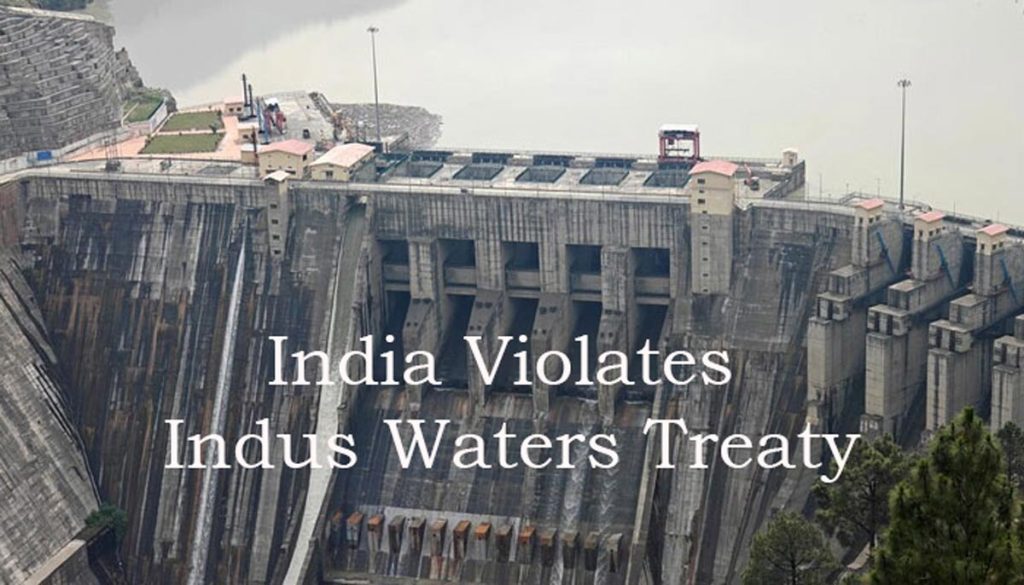
ISLAMABAD: Pakistan has strongly condemned India’s approval of a new hydropower project on the River Chenab, calling it a clear and deliberate violation of the Indus Waters Treaty (IWT).
Vice President of the Pakistan Peoples Party and Senator Sherry Rehman denounced what she described as India’s “water aggression,” stating that the Dulhasti Stage-II hydropower project directly violates the internationally recognized Indus Waters Treaty and constitutes an attack on Pakistan’s lawful water rights.
‘Unilateral Suspension of Treaty Is Illegal’
In a statement, Senator Rehman said that any unilateral suspension or violation of the Indus Waters Treaty runs contrary to international law, global norms, and regional peace. She warned that the Indian project poses serious threats to Pakistan’s water security, agriculture, and environmental sustainability.
She added that such actions undermine the spirit of cooperation enshrined in the treaty, which is backed by international guarantees and cannot be altered at the discretion of one country.
Strategic and Security Concerns Raised
The PPP leader further cautioned that the Dulhasti project could also prove defensively and strategically damaging for Pakistan. She accused India of using water as a political weapon, saying that such measures fuel instability and heighten regional tensions.
Senator Rehman pointed to sudden and unusual reductions in Chenab’s water flow as evidence of India’s continued water aggression.
‘Water Is Pakistan’s Red Line’
Emphasising the seriousness of the issue, she said that water is Pakistan’s red line, and no compromise would be made on the country’s fundamental rights. She warned that attempts to establish control over shared rivers could lead to severe consequences.
“If India does not desist, it will face consequences similar to past setbacks,” she said, adding that Pakistan will raise violations of the Indus Waters Treaty at all relevant international forums.
She urged India to abandon unilateral actions and strictly adhere to its obligations under international agreements to preserve regional stability.