


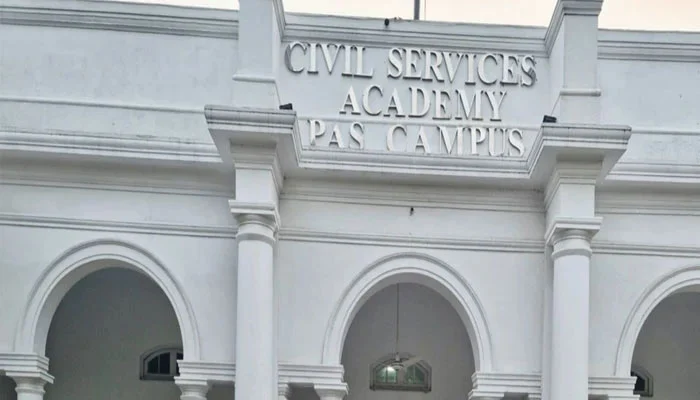
Pakistan has introduced sweeping changes to the Civil Servants Conduct rules, replacing a decades-old framework with stricter regulations focused on transparency, financial accountability and digital conduct.
The federal government announced the new Civil Servants Conduct rules as part of a major effort to modernise the country’s bureaucracy. The updated policy replaces the 1964 code and brings fresh requirements for government officers, especially those working in BPS-17 and above.
One of the biggest changes involves asset declarations. Senior officers must now submit their financial details digitally every year by October 30. Unlike the previous system, parts of these declarations will also become public after sensitive personal information is removed. Officials will have to disclose bank accounts, shares, insurance policies, jewellery worth more than Rs5 million and even virtual assets such as cryptocurrencies.
The new Civil Servants Conduct framework also gives the Federal Board of Revenue authority to verify officers’ declarations through a risk-based system. Officials may face questioning if authorities notice unexplained wealth, missing details or incorrect information in their filings.
The government has also introduced strong conflict-of-interest rules. Civil servants must now report any personal or family interests that could influence official decisions. Officers involved in procurement, hiring or policy matters will have to step aside if a conflict exists.
Another major part of the Civil Servants Conduct rules focuses on social media activity. Government officers cannot run websites, podcasts, blogs or YouTube channels without prior approval. They are also banned from using personal social media accounts to promote official work or government facilities for personal publicity.
The updated rules place tighter restrictions on gifts and hospitality as well. Civil servants and their families cannot accept gifts from companies, foreign officials or private individuals except under the Toshakhana law. Officers are also discouraged from giving gifts to senior officials if those gifts appear linked to personal favours.
The government has further warned officers against living beyond their declared income. Authorities may ask questions about expensive weddings or lavish social events if spending appears inconsistent with official earnings.
Officials taking private-sector jobs during extraordinary leave will now need prior approval. After returning to government service, they will not be allowed to handle matters involving their former employers for three years.
The reforms also include new rules requiring officers to report criminal cases or arrests immediately. Civil servants cannot seek foreign training opportunities through embassies or donor agencies for personal benefit. Frivolous complaints against colleagues have also been prohibited.
Authorities say the new Civil Servants Conduct rules mark the biggest reform in Pakistan’s civil service ethics system in more than six decades. The government believes the updated framework will improve transparency, strengthen oversight and build greater public trust in state institutions.