


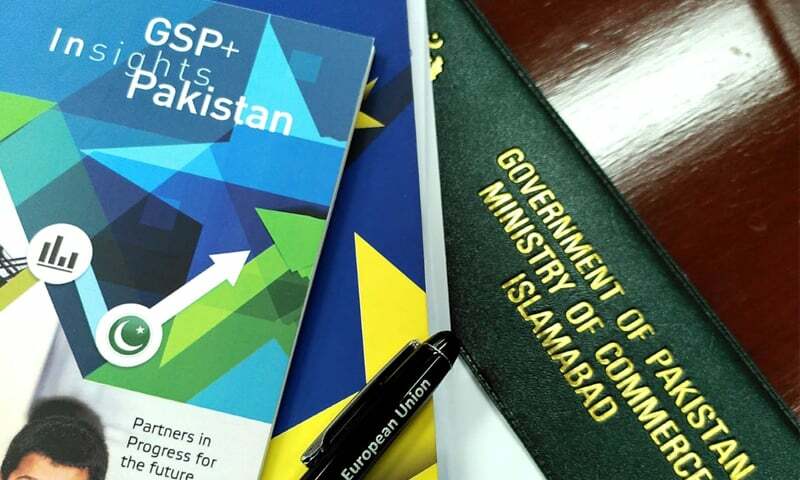
Pakistan continues to lead all nations benefiting from the European Union’s Generalised Scheme of Preferences Plus, a status it has held since joining the programme in 2014. A newly released EU report shows the country exported €7.5 billion worth of GSP+-eligible goods to the bloc in 2024, cementing its position as the scheme’s top performer.
The Pakistan EU GSP+ status translated into real financial gains last year. Islamabad saved an estimated €732 million through tariff exemptions in 2024, while the EU market absorbed 28% of Pakistan’s overall exports — a figure that highlights just how central European buyers have become to the country’s trade strategy.
Textiles Continue to Dominate Export Earnings
Unsurprisingly, Pakistan textile exports EU shipments made up the bulk of this trade relationship. Textiles and garments together accounted for somewhere between 70% and 76% of everything Pakistan sold to European buyers last year.
Beyond apparel, several other sectors drew heavily on GSP+ trade preferences Pakistan enjoys:
- Leather and fur goods
- Prepared foods and beverages
- Miscellaneous manufactured items (classified under S-20)
Clothing alone captured a 95.3% preference utilisation rate — meaning Pakistani exporters are tapping into nearly all the tariff relief available to them in that category. Across the board, the top five exporting sectors posted utilisation rates ranging from 93.6% to 97.7%, according to the findings.
Analysts flagged a caveat, though: because so much of Pakistan’s EU trade is concentrated in a handful of industries, the country remains vulnerable to sector-specific disruptions — whether from energy costs, compliance burdens, or shifting global demand.
Compliance With International Conventions Remains Strong
To keep its Pakistan EU GSP+ status, the country must stay compliant with 27 international conventions covering labor rights, human rights, environmental protection, and governance. The European Commission confirmed Pakistan has kept all 27 ratified and continues engaging with the EU’s oversight process.
The report pointed to several policy wins on this front, including:
- The National Commission for Human Rights earning global “A” status accreditation
- New legislation establishing a National Commission for Minorities
- Updated anti-torture enforcement rules paired with training programs and prison reforms
- Fresh laws targeting domestic violence, child marriage, and broader protections for women
Brussels also credited Islamabad’s progress on labor protections — particularly efforts to curb forced labor and child labor — along with climate-related initiatives such as carbon market guidelines and biodiversity programs. Newly introduced anti-narcotics legislation and a digital case management system for courts were similarly noted as positive steps.
EU Reaffirms €400 Million Support Package
As part of its ongoing partnership with Pakistan, the EU restated its pledge to deliver €400 million in development and reform funding, reinforcing the broader cooperation built around the Pakistan tariff exemptions framework.
This latest assessment follows comments made earlier this year by EU Ambassador to Pakistan Raimundas Karoblis, who used a Europe Day event in May to reaffirm Brussels’ backing for extending Pakistan’s trade preferences. He called Pakistan a key economic and strategic partner and promised continued coordination with Islamabad to help secure the arrangement’s renewal.
Karoblis, noting that the EU is Pakistan’s biggest trading partner and top export market, said both sides remained focused on job creation, innovation, and sustainable economic growth. He also pointed to joint efforts on climate adaptation, education, and economic development as evidence of a deepening relationship — one shaped by shared challenges like climate change, digital transformation, and global democratic pressures.
With this EU Pakistan trade report 2024 now published, the coming months are likely to bring closer scrutiny of whether Pakistan can sustain its compliance record while diversifying an export base still heavily reliant on a small number of industries.