

Pakistan Welcomes Afghan Scholars’ Resolution Against Cross-Border Terrorism has sparked fresh discussion on regional security, with Islamabad calling the development encouraging yet insufficient.
Pakistan on Thursday welcomed the resolution passed by Afghan scholars at Kabul University, where they emphasised that Afghanistan’s territory must not be used to harm or threaten any other country. The Foreign Office described the statement as a positive step but stressed that similar commitments were made in the past and later ignored by the Afghan Taliban regime.
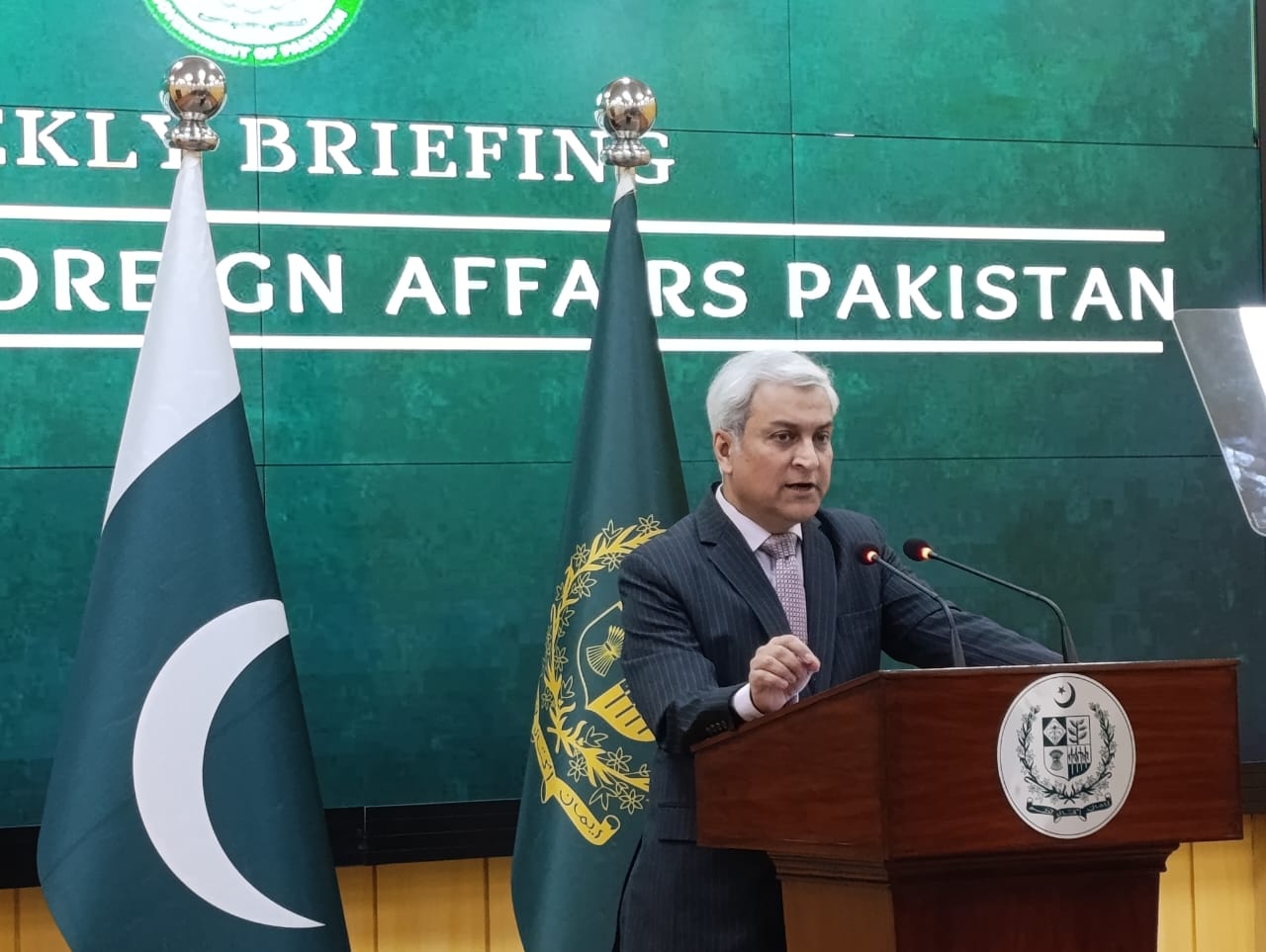
Foreign Office spokesperson Tahir Hussain Andrabi reiterated Pakistan’s longstanding demand for full written assurances from Kabul that Afghan soil will not be used by terrorist groups to launch attacks inside Pakistan. He said that while the resolution was appreciated, it did not meet the requirement of a formal written guarantee. He added that Pakistan values the well-being of the Afghan people and remains ready to offer humanitarian support whenever needed.
Tensions between Pakistan and Afghanistan have remained high due to a surge in cross-border terrorism. Islamabad maintains that Afghan nationals, operating with support from militant factions inside Afghanistan, continue to target Pakistani security forces and civilians. Relations deteriorated further in October when week-long border clashes erupted after Taliban fighters and affiliated militants launched an unprovoked attack on Pakistani border posts on October 12. Pakistan’s retaliatory action resulted in the elimination of more than 200 Afghan Taliban and associated militants. The Pakistan Armed Forces also carried out precision strikes deep inside Afghan territory, including Kabul and Kandahar. Pakistan suffered losses as well, with 23 soldiers embracing martyrdom while defending the homeland.
Although a ceasefire has held since then, both sides have yet to agree on a mechanism to prevent future cross-border attacks. Islamabad insists that the Afghan Taliban must take concrete steps instead of issuing verbal commitments that remain unimplemented.
Meanwhile, Andrabi also addressed Pakistan’s efforts to extradite Mirza Shahzad Akbar and Major retd Adil Raja from the United Kingdom. He clarified that Pakistan and the UK do not have a formal extradition treaty, but cases can still be handled individually. The extradition process was initiated earlier this month when Interior Minister Mohsin Naqvi handed over case documents to British High Commissioner Jane Marriott, urging immediate action.
Akbar, a former aide to Imran Khan, has been living in London since 2022, while Adil Raja, a fugitive ex-army officer accused of anti-Pakistan activities, was convicted under the Pakistan Army Act through a Field General Court Martial in 2023. Andrabi refrained from specifying the number of cases submitted but confirmed that all extraditions would be processed on a case-by-case basis.