


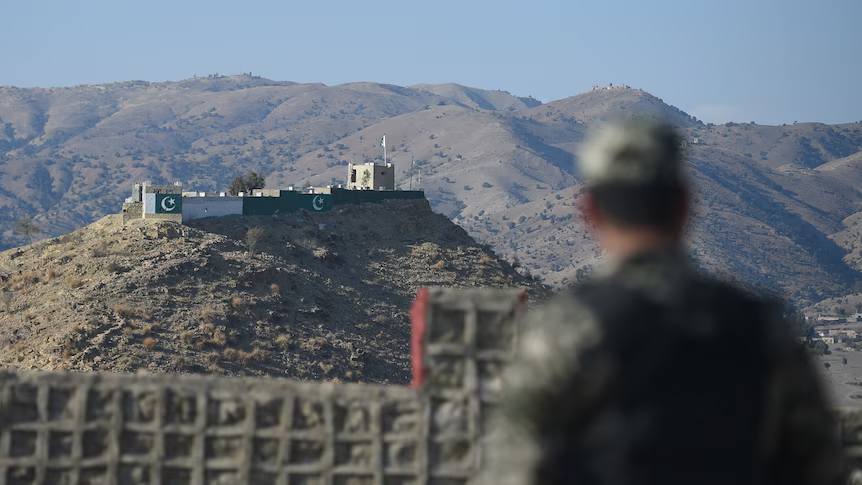
Islamabad: (Mubarak Ali) Pakistan’s New Strategic Doctrine in Afghanistan has entered a decisive phase as tensions between Islamabad and Kabul continue to rise. The policy now centers on dismantling TTP safe havens, stopping cross-border terrorism, and reshaping the security balance along the frontier.
In recent days, the Pakistan Afghanistan conflict has intensified. Pakistan launched targeted airstrikes inside Afghan territory. Afghan Taliban forces responded with cross-border attacks. The situation quickly escalated, pushing both sides into open confrontation.
According to security sources, Pakistan’s New Strategic Doctrine in Afghanistan focuses on destroying terrorist infrastructure near the border. Officials say militant training centers, weapons depots, and logistical networks linked to TTP safe havens have become primary targets. The aim is clear: disrupt planning, break supply lines, and prevent infiltration into Pakistani territory.
Another key element of Pakistan’s New Strategic Doctrine in Afghanistan involves securing strategic posts across sensitive border zones. Islamabad wants to establish a limited buffer zone to block militant movement. Security planners believe this step will reduce surprise attacks and improve border control.
The doctrine also carries a broader political message. Pakistani officials have warned Taliban leadership that continued support or tolerance of TTP safe havens will no longer be accepted. Islamabad insists its actions target armed groups, not Afghan civilians. Kabul, however, denies sheltering militants and accuses Pakistan of aggression.
On February 26, Afghan Taliban fighters reportedly attacked Pakistani military positions along the border. In response, Pakistan expanded its air campaign. Fighter jets struck locations in Kabul, Kandahar, Paktia, and nearby regions. Military officials claim the strikes hit militant hideouts and weapons facilities. Taliban authorities, meanwhile, allege civilian casualties.
International actors, including the United Nations and the United States, have urged restraint. Diplomats fear that the Pakistan Afghanistan conflict could destabilize the wider region. Security analysts note that while Pakistan holds conventional military superiority, Taliban fighters rely on guerrilla tactics and terrain familiarity.
Pakistan’s New Strategic Doctrine in Afghanistan marks a shift from reactive defense to proactive engagement. Whether this approach brings stability or fuels further escalation will depend on diplomatic efforts in the coming weeks. Experts argue that sustained dialogue remains the only path to prevent deeper conflict.