

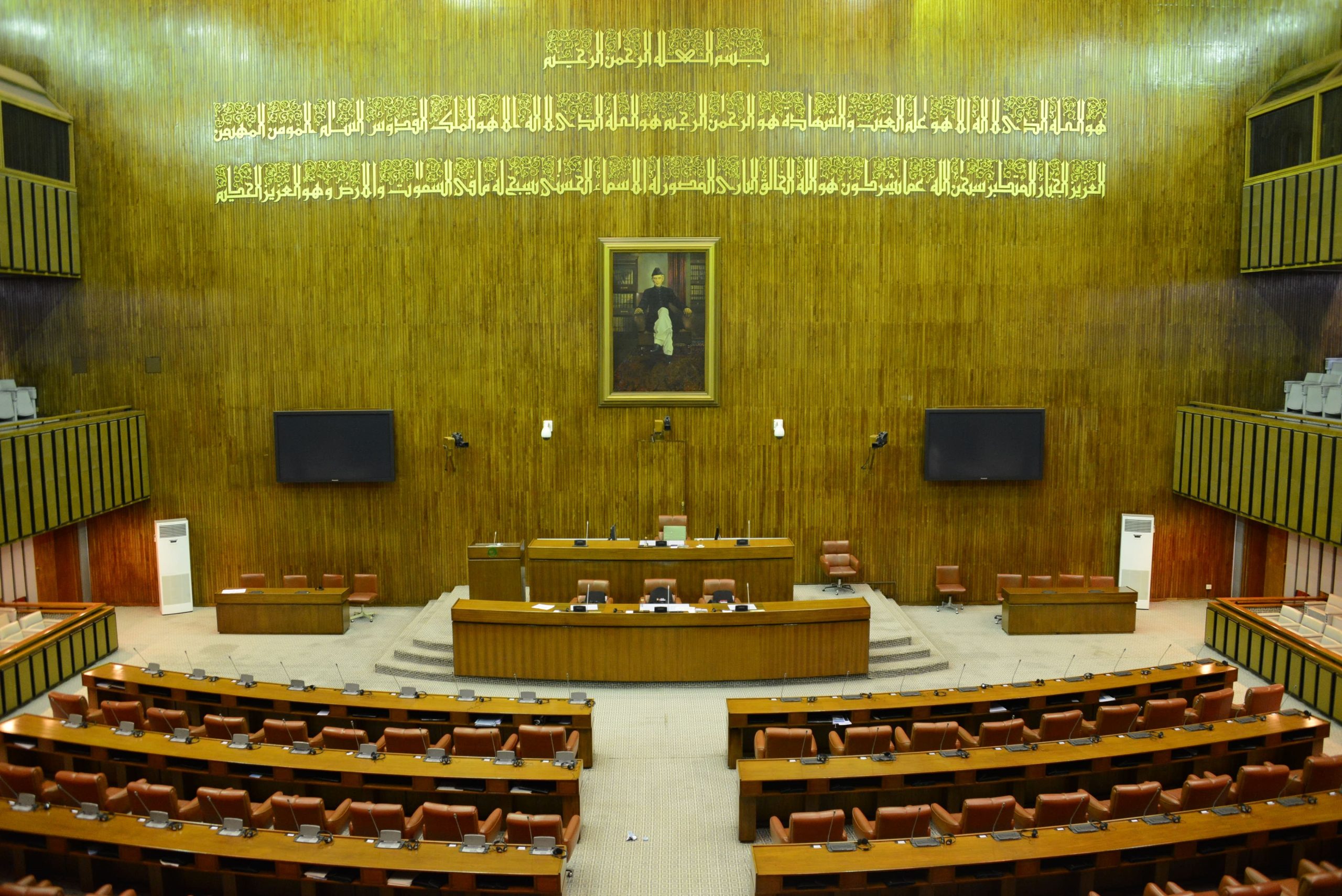
In a landmark decision that signals a new era of progressive thinking, the Senate of Pakistan has passed a bill to integrate reproductive health education into the national curriculum. This groundbreaking legislation ensures that students aged 14 and older will receive structured, age-appropriate lessons on reproductive health, covering physical, mental, and social well-being.
Schools must obtain written parental consent before delivering these lessons, and textbooks will soon include carefully designed content on the subject.
This initiative, hailed by lawmakers as a vital step toward greater awareness and responsible behavior, deserves wholehearted praise from every corner of society. The Pakistani government has demonstrated remarkable courage and vision by taking this decisive action for the well-being of the masses and the prosperity of future generations.
Pakistan stands at a critical juncture. With more than 60 percent of its population under the age of 30, the country possesses one of the world’s youngest demographics. This youthful energy holds immense potential, but it also comes with pressing challenges: rising rates of unintended pregnancies, limited access to accurate health information, persistent myths surrounding reproductive matters, and ongoing concerns about maternal and child health. For far too long, these issues have been addressed in whispers or avoided altogether due to cultural sensitivities. By bringing reproductive health education into formal schooling, the government has chosen to confront these realities head-on, replacing ignorance with knowledge and fear with empowerment.
The benefits of this move are both immediate and far-reaching. When young people gain reliable information about their bodies, relationships, consent, and family planning, they are better equipped to make informed, responsible choices. Comprehensive education of this kind has proven effective worldwide in reducing teenage pregnancies, lowering the incidence of sexually transmitted infections, and improving overall health outcomes.
In Pakistan, where maternal mortality remains a concern in many regions, even modest improvements in awareness can save lives and ease the burden on healthcare systems. A healthier population is a more productive one, capable of contributing more fully to the nation’s economic growth and social progress.
Beyond physical health, the curriculum’s focus on mental and social well-being addresses aspects that are often overlooked. Discussions about emotional maturity, healthy relationships, gender equality, and mutual respect will help foster a generation that values empathy and understanding. In a society where gender-based violence and unequal power dynamics persist, such education acts as a powerful tool for change. Young men and women who grow up with a clear understanding of consent and shared responsibility are far more likely to build respectful partnerships and nurturing families.
This shift has the potential to gradually transform cultural norms, creating a more inclusive and equitable society for everyone. The requirement for parental consent is a particularly wise and thoughtful feature of the bill. It respects family values, ensures that parents remain involved in their children’s education, and opens the door for meaningful conversations at home. Rather than imposing change from above, the government has crafted an inclusive approach that bridges tradition and progress. This sensitivity will help build broader acceptance and make the program sustainable over the long term.
For future generations, the impact will be even more profound. Children who receive this education today will grow into adults who pass the same knowledge on to their own children. Over time, this creates a virtuous cycle of awareness and responsibility. Families will be better able to plan their futures, easing pressures on resources such as education, healthcare, and housing. Girls, in particular, stand to gain greater autonomy over their lives, with higher chances of completing their education and pursuing careers. Boys will learn the importance of equality and accountability, helping dismantle outdated stereotypes. The result will be a society that is healthier, more balanced, and better prepared to face the challenges of the modern world.
Economically, the advantages are clear. An informed and healthy youth population drives higher productivity, stronger innovation, and greater social stability. When fewer young people are sidelined by preventable health issues, more can contribute to the workforce and the economy. This investment in education today will yield dividends for decades to come, strengthening Pakistan’s position both domestically and on the global stage. Of course, introducing such a program in a diverse and culturally rich society requires careful implementation. The government’s emphasis on age-appropriate content and trained educators shows a commitment to doing this responsibly.
By involving families and ensuring sensitivity to local values, the initiative avoids unnecessary friction and maximizes its positive reach. In taking this bold step, the Pakistani government has shown true leadership. It has chosen to prioritize the long-term well-being of its people over short-term political comfort. This decision reflects a deep belief in the power of education to uplift entire generations and build a stronger nation. As the curriculum rolls out and young minds begin to absorb this vital knowledge, the positive changes will become increasingly visible: fewer health crises, stronger families, greater gender equality, and a more confident, capable citizenry.