


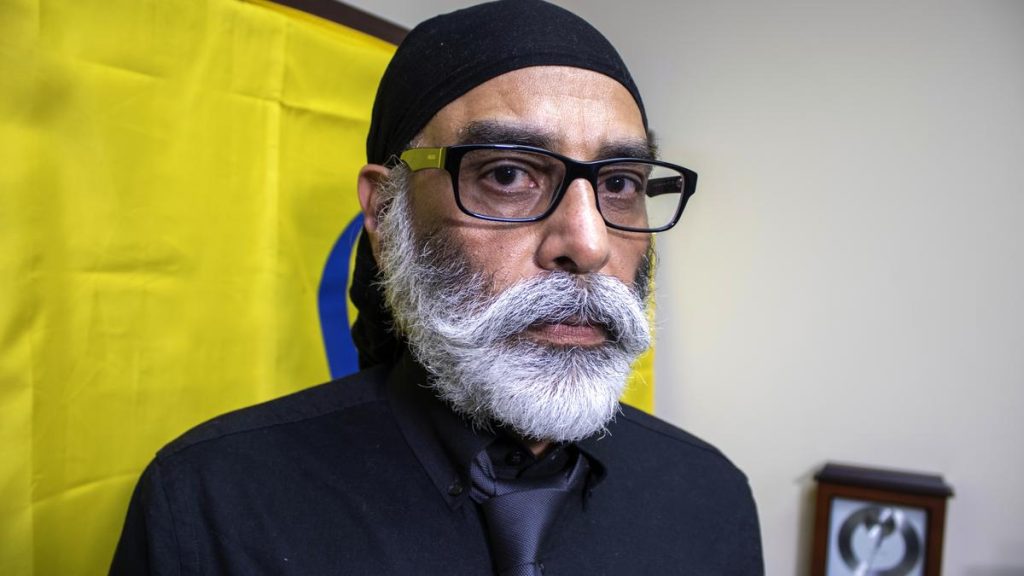
Sikhs for Justice leader Gurpatwant Singh Pannu addressed reporters via video link at the Lahore Press Club, where he renewed his allegations against the Indian government led by Prime Minister Narendra Modi.
Speaking to journalists, Pannu claimed that Sikhs in India are facing systematic persecution that amounts to genocide under the current administration. He tied this claim to the broader push for Khalistan, an independent Sikh homeland that his organization has campaigned for over several years.
Khalistan Referendum Scheduled for August 16
According to Pannu, the next phase of the Khalistan referendum will take place in the United States on August 16. He said the vote will allow members of the Sikh diaspora, including those based in the U.S., to formally register their support for an independent Khalistan state.
Pannu described the referendum as a peaceful, democratic route to achieving his movement’s goals. He stated that ballot-based mobilization, rather than confrontation, remains his organization’s chosen strategy for pursuing Khalistan.
Claims of Sikh Farmer Suicides
During the press conference, Pannu also raised the issue of agricultural distress among Sikh farmers in India. He alleged that around 18,000 Sikh farmers have died by suicide as a result of mounting debt, presenting this figure as further evidence of what he described as the community’s deteriorating conditions under the current government.
These figures were presented by Pannu himself and have not been independently verified in this report.
Praise for Pakistan’s Independence Day and Military Leadership
Beyond his remarks on Khalistan and the referendum, Pannu extended greetings to Pakistan on the occasion of its Independence Day. He credited Field Marshal Asim Munir’s leadership for what he called Pakistan’s growing influence and progress on the international stage.
His remarks come amid continued scrutiny of Sikhs for Justice, an organization that India has designated as unlawful and whose activities, including the Khalistan referendum campaign, remain a point of diplomatic friction between India and countries where the group operates.