


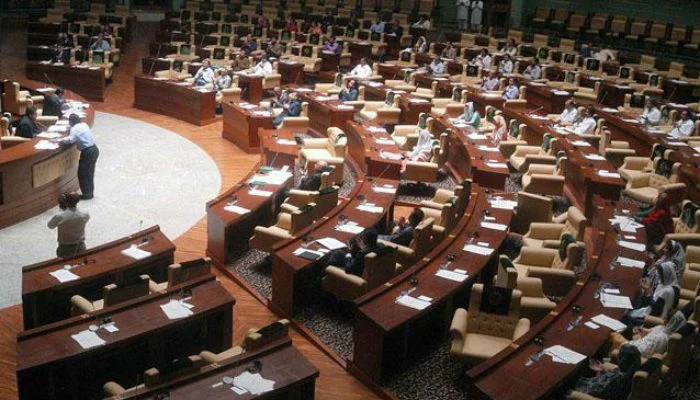
The Sindh Assembly resolution against the division of Sindh has triggered a fresh political debate, with critics questioning the motives behind the move. The resolution called for any decision concerning the division of Sindh to be taken through the provincial assembly.
The issue was accompanied by passionate speeches and slogans in the Sindh Assembly, turning the matter into a major political discussion. Critics argue that such political rhetoric risks diverting public attention from the governance and economic challenges facing the country.
Sindh Assembly Resolution and Political Debate
The Sindh Assembly resolution has brought the question of Sindh’s political and administrative future back into the spotlight. Supporters of the resolution maintained that any decision regarding the province’s division should rest with the Sindh Assembly.
However, critics say political parties should focus equally on issues directly affecting ordinary citizens. They argue that problems related to governance, public services and economic hardship require practical measures rather than political slogans.
Pakistan continues to face serious governance challenges, and opponents of the political campaign argue that addressing these issues requires accountability and effective administration. They believe the people of Sindh need solutions to their day-to-day problems rather than another round of emotionally charged political debate.
Sindh Politics and Governance Concerns
The debate has also revived criticism of the performance of successive political leaderships in Sindh. Critics allege that corruption, poor governance and administrative failures have contributed to the difficulties faced by the province’s population.
They argue that political leaders who have remained influential for years should be held accountable for the condition of public institutions and basic services. According to this view, political rhetoric cannot replace improvements in governance.
The controversy has also led to accusations that some political groups are attempting to use provincial and ethnic sentiments to protect their political interests. Critics say such tactics can deepen political divisions while shifting attention away from issues such as employment, development, education, healthcare and public services.
Public Interest at the Centre of Sindh Politics
The Sindh Assembly resolution has once again highlighted the sensitive nature of debates surrounding the administrative and political structure of Sindh. While political parties have the right to present their positions, critics maintain that public interest should remain at the centre of the discussion.
They say the people of Pakistan, including the citizens of Sindh, are increasingly demanding effective governance, accountability and economic opportunities. The direction of Sindh politics, they argue, should ultimately reflect the priorities and aspirations of the people rather than the interests of political elites.
As the debate continues, the controversy over the future of Sindh is likely to remain an important political issue, particularly whenever questions of provincial rights, governance and administrative restructuring return to the national agenda.