

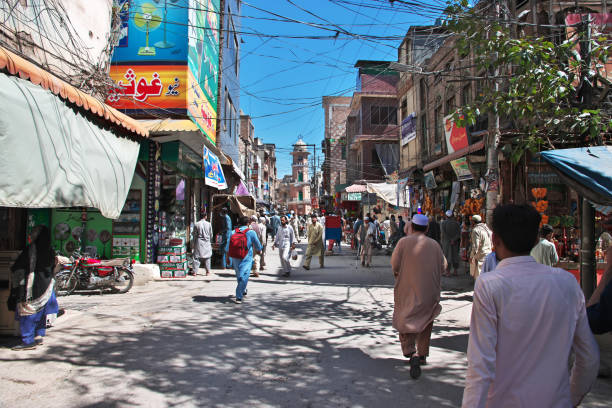
Pakistan Tehreek-e-Insaf announced a shutter-down and wheel-jam strike for February 8, hoping to bring commercial life in Khyber Pakhtunkhwa to a halt. Ground reports from across the province, however, tell a very different story. Markets stayed open, businesses continued operating, and daily life moved on with little disruption.
In Peshawar, while a small number of traders expressed support for PTI’s call, the majority of shops and commercial centers remained open. There was no sign of a citywide shutdown, and routine buying and selling continued throughout the day.
Hangu emerged as a clear example of the strike’s failure. Despite repeated calls for a shutdown, all major bazaars stayed open. On February 8, business activity continued as usual, with traders openly refusing to close their shops. The city’s commercial hubs showed normal footfall and activity, indicating little public response to the strike call.
Similar scenes were reported from the tribal district of Mohmand, where the well-known Mian Mandi Bazaar remained fully operational. Traders there carried on with routine business, unaffected by the political announcement.
In Chakdara and across Tehsil Adenzai, the shutdown call also failed to gain traction. Small and large markets alike stayed open, reflecting a lack of enthusiasm for the protest.
Kohat’s commercial centers remained completely open, and no significant protest activity was observed. The city saw business as usual, with locals more concerned about access to basic civic services than political agitation. PTI’s shutdown call failed to register any visible impact.
In District Karak, the traders’ community outright rejected the strike. Shops remained open throughout the day, and the call for a shutdown had no practical effect on commercial life.
Swat’s main city, Mingora, followed the same pattern. Markets, shopping areas, and individual shops remained open, and business activities continued without interruption.
Reports from across Khyber Pakhtunkhwa collectively point to one conclusion: PTI’s February 8 shutter-down strike failed to resonate with traders and the public. Instead of disruption, the province witnessed a normal working day, underlining the widening gap between political calls for protest and public willingness to participate.