


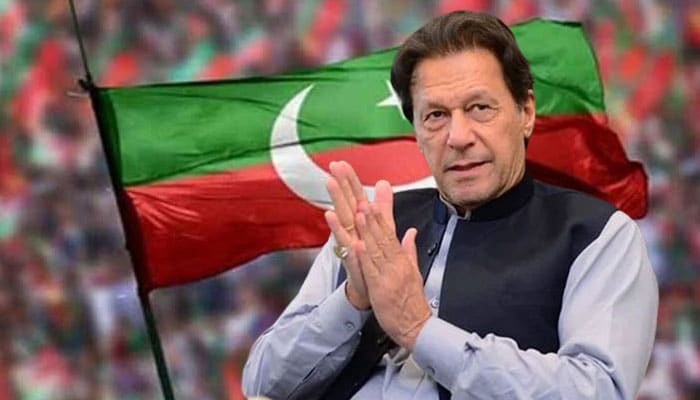
Pakistan Tehreek-e-Insaf has once again chosen the path of confrontation. A joint parliamentary party meeting held at Khyber Pakhtunkhwa House in Islamabad focused squarely on planning fresh street agitation for February 8, 2026. Critics say PTI’s Protests are becoming a routine tool for Imran Khan to keep the country in turmoil.
The meeting was chaired by Opposition Leader Mahmood Khan Achakzai and attended by PTI lawmakers from the National Assembly and Senate. Instead of discussing public welfare or legislation, the gathering revolved around protest planning and pressure tactics.
Participants discussed protest strategy, National Assembly manoeuvring, and the possibility of withdrawing resignations from parliamentary committees. They also reviewed the Sindh Movement for the Protection of the Constitution.
The agenda highlighted a familiar pattern. Once again, PTI’s Protests dominated party thinking, while governance and dialogue were pushed aside. A dinner celebrating Achakzai’s appointment followed the meeting. For many observers, it symbolized confidence in political confrontation rather than reconciliation.
History shows that PTI’s Protests rarely remain peaceful. The May 9, 2023 riots, triggered by Imran Khan’s arrest in corruption cases, marked one of the darkest chapters in recent politics.
Protesters attacked military installations, torched buildings, and looted public and private property. Several people lost their lives. Many were injured. The financial damage ran into billions. Authorities later termed the events a “Black Day,” leading to arrests and trials, including proceedings in military courts.
The pattern repeated in November 2024 during PTI’s so-called “Final Call” march in Islamabad. Violent clashes killed at least six people, including security personnel. Dozens were injured, and thousands were taken into custody.
Vehicles were burned. Police were attacked. Internet services were suspended, and troops were deployed to restore order. Earlier protests in October 2024 had already injured officers and paralyzed parts of the capital.
Each episode deepened political instability in Pakistan and reinforced fears surrounding PTI’s Protests.
The cost of repeated shutdowns has been severe. Markets close. Supply chains break. Investors pull back. Inflation rises. Pakistan’s international image suffers.
Despite being jailed in cases linked to Toshakhana, the Cipher controversy, and the Al-Qadir Trust, Imran Khan continues to frame legal trouble as political victimhood. Analysts argue this narrative fuels PTI’s Protests, keeping supporters mobilized while the country pays the price.
With PTI branding February 8, 2026, a “Black Day” over alleged mandate theft, fears of fresh unrest are growing. Nationwide marches and strikes are being planned, raising concerns that violence could erupt once again.
As Pakistan struggles with economic recovery and security challenges, critics warn that PTI’s Protests reflect a politics driven by personal power rather than national interest. Many believe the country now needs stability, restraint, and leadership focused on solutions not perpetual chaos.