


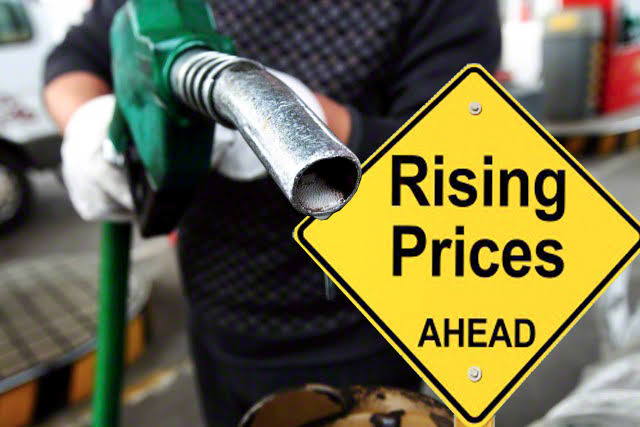
Rising fuel prices in Pakistan are expected to increase further in the coming days as the federal government reviews global market trends and prepares to pass on higher import costs to consumers. The decision comes amid ongoing discussions between federal and provincial authorities on how to manage the financial burden of fuel subsidies.
A high-level meeting chaired by Finance Minister Muhammad Aurangzeb included all four chief ministers and senior officials. The participants reviewed the current situation and discussed possible adjustments. Officials indicated that rising fuel prices in Pakistan will depend largely on international oil market movements, with a full pass-through of global prices also under consideration.
At present, there is a significant gap between local and international fuel prices. Estimates suggest a difference of around Rs100 per litre for petrol and over Rs200 for diesel. Authorities are waiting for updated calculations from OGRA and the Petroleum Division before finalizing any increase. Rising fuel prices in Pakistan have already forced the government to spend Rs129 billion on subsidies in the past three weeks, with a cap of Rs158 billion planned.
President Asif Ali Zardari and Prime Minister Shehbaz Sharif have urged provinces to share the subsidy burden. Punjab and Sindh are expected to contribute based on population, while Khyber Pakhtunkhwa and Balochistan will share costs according to fuel consumption. This joint approach aims to balance fiscal pressure while addressing rising fuel prices in Pakistan.
All provinces have agreed to provide targeted relief measures for the public. Motorcyclists and three-wheeler users will benefit from subsidized fuel under a uniform national plan. Sindh plans to support farmers through its Hari Card system, while Punjab and KP are working on similar initiatives to assist rural communities.
Officials estimate that the weekly subsidy requirement ranges between Rs15 billion and Rs18 billion, and it may increase further up to Rs30 billion depending on fuel price trends. Provinces have also agreed not to raise BRT fares, although concerns remain about the broader impact of rising fuel prices in Pakistan on people living outside major urban centers.