


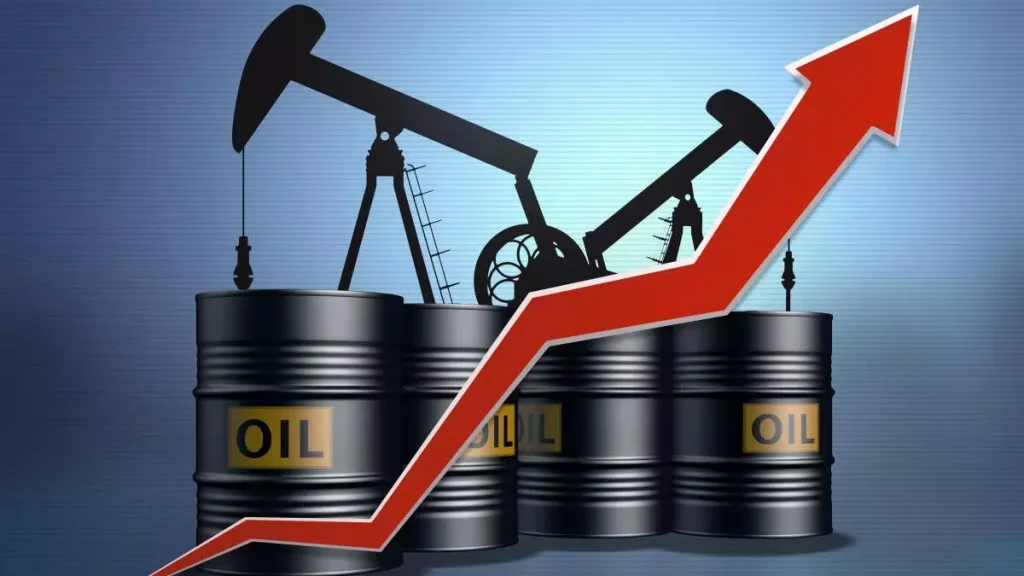
Rising oil prices unsettled global markets on Monday as tensions between the United States and Iran continued to disrupt energy supplies. The latest spike in rising oil prices reflects growing concern over blocked routes in the Middle East, especially the critical Strait of Hormuz.
Brent crude jumped more than 2% in early trading, hitting a three-week high near $108 a barrel. This surge in rising oil prices has added pressure on economies already dealing with inflation. Traders now expect central banks to hold off on cutting interest rates anytime soon.
Stock markets showed mixed signals. Futures tied to the S&P 500 slipped slightly after a strong close last week, while Asian markets moved higher. The dollar edged up, though currency movements remained limited.
The ongoing disruption in the Strait of Hormuz remains the biggest driver behind rising oil prices. This narrow passage handles a large share of the world’s oil shipments. Any restriction there quickly affects global supply and pushes prices higher.
At the same time, diplomatic efforts have slowed. Donald Trump canceled a planned visit by US envoys for talks, even as Abbas Araghchi continued discussions with regional mediators. The lack of progress has kept markets on edge.
Energy costs have also surged in Asia. Prices for liquefied natural gas deliveries rose sharply, showing how the conflict is affecting multiple sectors. Analysts warn that if supplies tighten further, oil prices could rise even faster.
Major financial institutions have already revised their forecasts. Some now expect oil to end the year near $90 a barrel, assuming supply routes reopen soon. However, if disruptions continue, markets could face sharper and more unpredictable increases.
Central banks are watching closely. The Bank of Japan, the Federal Reserve, the European Central Bank, and the Bank of England are all set to review policy this week. Most are expected to hold rates steady, but the outlook remains uncertain due to inflation risks linked to rising energy costs.
Meanwhile, investor attention is also turning to major US tech earnings, which could influence market direction. Still, for now, the focus remains firmly on rising oil prices and their wider economic impact.