


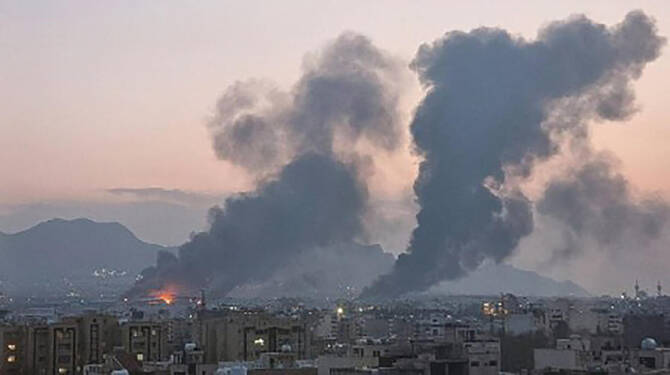
The South Pars gas field attack has sharply raised tensions in the Middle East, pushing the region closer to a wider conflict and shaking global energy markets.
The South Pars gas field attack came after Israel targeted Iran’s key energy facility, marking a major escalation in the ongoing conflict. The strike led to a surge in oil prices and triggered strong reactions across the Gulf.
Following the South Pars gas field attack, Iran responded by launching missiles toward Qatar and Saudi Arabia. The strikes caused serious damage to key gas infrastructure, especially in Qatar, where major liquefied natural gas facilities were hit.
Authorities in Saudi Arabia said they intercepted several ballistic missiles aimed at Riyadh. They also stopped a drone attack targeting an energy site in the eastern region. Despite these defenses, the situation remains tense after the South Pars gas field attack.
Reports from Qatar confirmed significant damage and fires at major gas processing sites. These facilities play a vital role in global energy supply, making the South Pars gas field attack a major concern for international markets.
US President Donald Trump said the United States had no prior knowledge of the strike. He warned that further Israeli attacks on the South Pars gas field would depend on Iran’s actions. He also issued a strong warning, saying any further escalation could lead to a powerful response.
The South Pars gas field is part of the world’s largest natural gas reserve, shared between Iran and Qatar. Any disruption there directly affects global energy flows and prices.
Since the conflict began, Iran has expanded its targets beyond Israel, hitting locations linked to US interests across the Gulf. It has also warned neighboring countries against allowing their territory to be used for attacks.
With tensions still rising after the South Pars gas field attack, the US is now reviewing plans to send more troops to the region. These forces may be used to secure vital oil routes, especially the Strait of Hormuz, a key channel for global oil shipments.
The risk of further escalation remains high, and the South Pars gas field attack has added new uncertainty to an already fragile regional situation.