


The situation between United States and Iran escalated again after strikes on Iranian military sites by US forces over the weekend, followed by a reported retaliation from Iran’s Islamic Revolutionary Guard Corps.
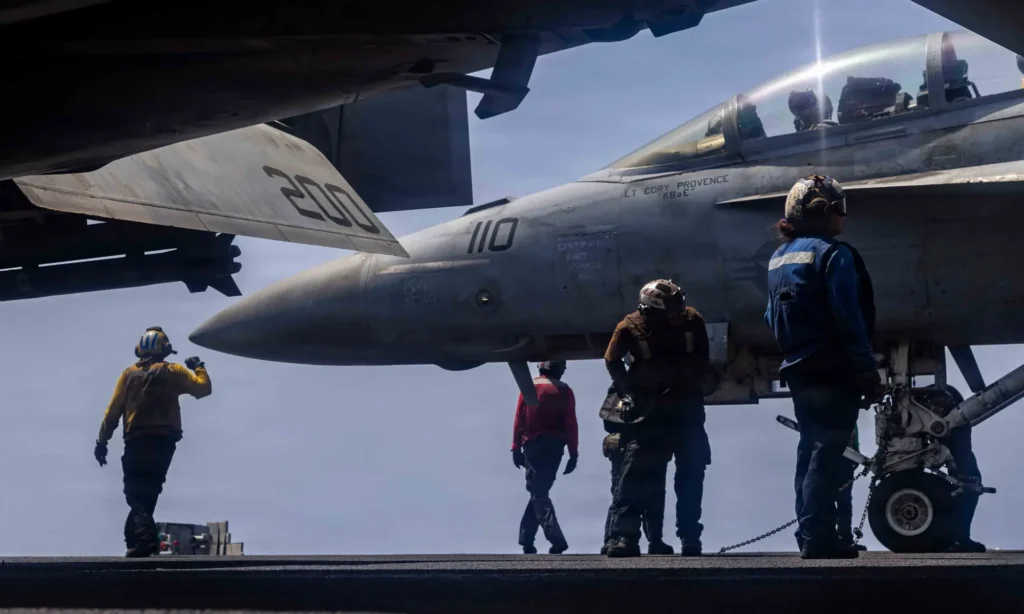
US Central Command said the strikes were carried out in response to what it called “aggressive Iranian actions,” including the downing of a US MQ-1 drone operating over international waters. According to CENTCOM, US fighter aircraft targeted Iranian air defence systems, a ground control station, and drones seen as threats to naval movement in the region.
In response, the Islamic Revolutionary Guard Corps said it struck a US-operated air base after earlier attacks on southern Iran, though it did not specify the exact location of the base.
Security tensions spread further into the Gulf, where air defence systems in Kuwait reportedly intercepted incoming missile and drone activity as sirens sounded across parts of the country, according to the state news agency KUNA.
The exchange marks another violation of a fragile ceasefire that has been in place since early April. Both sides have continued sporadic strikes while diplomatic negotiations struggle to move forward.
The conflict, which intensified after a US and Israeli military campaign launched on February 28, has already caused significant casualties in Iran and Lebanon and disrupted global energy markets by affecting shipping through the Strait of Hormuz.
US President Donald Trump has said his priority is to stop Iran from developing nuclear weapons. However, Tehran continues to deny any such ambitions and is demanding relief from sanctions and access to frozen oil revenues as part of any agreement.
Rising energy prices have added political pressure on the US administration, especially ahead of upcoming congressional elections. At the same time, Trump faces criticism from both political opponents and hardliners within his own party over how to handle Iran.
Diplomatic efforts are still ongoing. US Secretary of State Marco Rubio recently held discussions with leaders in both Lebanon and Israel, including Israeli Prime Minister Benjamin Netanyahu and Lebanese President Joseph Aoun, focusing on de-escalation plans.
Meanwhile, fighting in the wider region continues. Israel has expanded its military operations in Lebanon against Hezbollah, further complicating peace efforts. The Hezbollah conflict remains one of the key obstacles to regional stability.
Despite ongoing talks, both Washington and Tehran remain far apart on core issues, including nuclear concerns, sanctions relief, and regional security arrangements.