


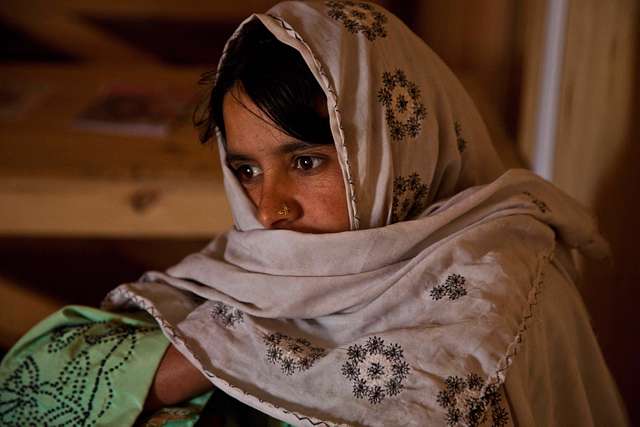
Afghanistan’s Taliban government has once again reached into one of the most personal moments in a family’s life, a wedding, and decided it needs regulating. Under a newly issued decree, brides can no longer wear makeup, use hair extensions, or apply perfume. Women are barred from even leaving their homes to visit a beauty parlor. Engagement rings are banned. So is mehndi. So, still, is music.
Officials frame the ring ban as a rejection of “Western and Christian” influence. But strip away the religious packaging and what’s left is a government micromanaging what a bride wears on her own wedding day, and telling women, once again, where they may and may not go.
A Pattern, Not an Isolated Rule
This decree doesn’t stand alone. It follows the closure of beauty salons across the country and an earlier crackdown on wedding music. Each new rule narrows, a little further, the space Afghan women are permitted to occupy in public and even private life. Taken individually, a ban on hair extensions might look trivial. Taken together, the pattern is unmistakable: control dressed up as morality.
Enlisting mosque imams to broadcast the new rules during Friday sermons only reinforces that this isn’t really about safety or decency. It’s about ensuring compliance is preached from the pulpit, not just enforced by decree.
The Cost Falls on Ordinary Families
Meanwhile, the justification that fireworks are “dangerous” rings differently against the backdrop of a country where many families are already struggling with poverty and the rising cost of weddings. Afghans are not asking their government to police henna and rings. They’re asking for relief from economic hardship. Instead, the state has chosen to spend its authority regulating brides.