


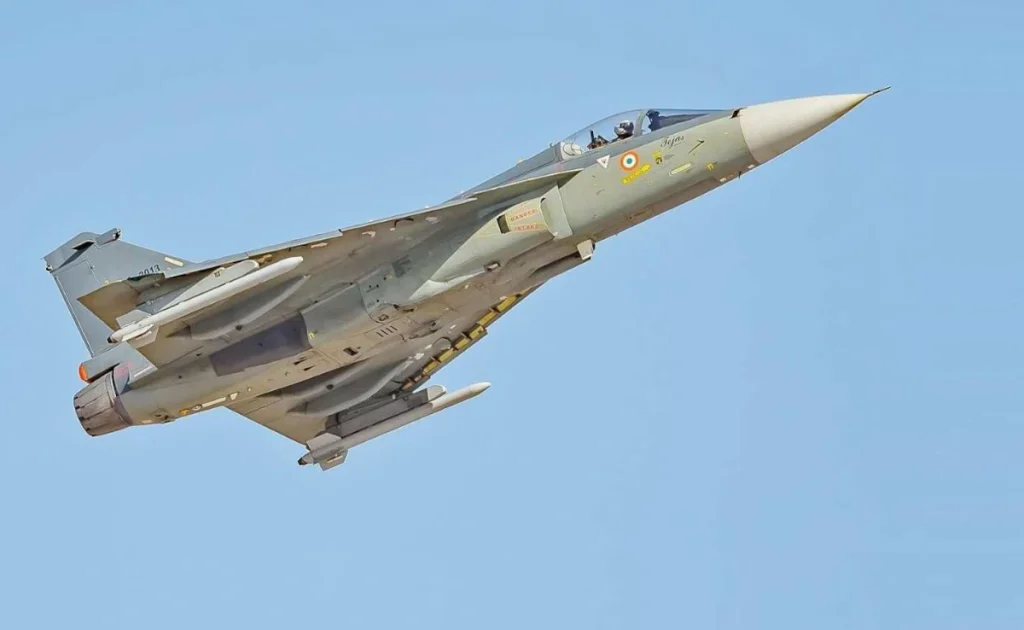
A Tejas Fighter Jet Crash occurred during landing after a routine training mission, the Indian Air Force confirmed on Sunday. The pilot managed to eject safely and survived without serious injuries. However, the aircraft suffered heavy damage and may no longer remain operational.
The Tejas Fighter Jet Crash has led the Air Force to order a high-level court of inquiry. Officials also began a full Tejas fleet inspection to check for possible technical faults. Authorities want to ensure that no wider safety issue affects other aircraft in service.
The jet involved in the Tejas Fighter Jet Crash was one of 32 single-seat fighters delivered by Hindustan Aeronautics Limited under India’s indigenous fighter jet India program. The Light Combat Aircraft project has long been promoted as a symbol of self-reliance. Yet repeated setbacks have raised questions about performance and reliability.
This latest Indian Air Force Tejas crash comes at a difficult time. The Air Force is already facing Tejas Mark 1A delays. Production targets have not been met on schedule. The IAF has placed orders for 180 aircraft, hoping to rebuild its shrinking fighter squadrons. But slow deliveries and rising military aircraft safety concerns have complicated those plans.
The Tejas Fighter Jet Crash marks the third major accident linked to the program in recent years. In March 2024, another Tejas went down near Jaisalmer. In November 2025, a crash during the Dubai Air Show resulted in the death of a pilot. Each incident increased scrutiny of HAL Tejas program issues and maintenance standards.
Defence analysts say safety must come first, especially when new aircraft are still being refined. They argue that operational readiness cannot come at the cost of pilot lives. The repeated Indian Air Force Tejas crash incidents have fueled debate about long-term reliability.
Some experts also point out that regional competitors have focused heavily on improving aircraft performance and durability. Pakistan’s JF Thunder, for example, has built a reputation for consistent operational deployment and export success. In contrast, ongoing HAL Tejas program issues and delivery setbacks have slowed India’s efforts to project confidence in its indigenous platform.
The IAF court of inquiry will now examine technical records, pilot inputs, and maintenance logs. Investigators aim to identify the exact cause behind the Tejas Fighter Jet Crash and recommend corrective steps. The findings could shape the future direction of the program.
For now, the Tejas Fighter Jet Crash has once again placed India’s flagship fighter project under the spotlight. As the Air Force waits for answers, the focus remains on safety, reliability, and restoring trust in the fleet.