


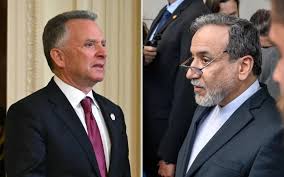
Trump’s envoy and Iranian FM Araghchi are expected to meet in Switzerland as diplomatic efforts gain momentum following a ceasefire between Israel and Hezbollah in Lebanon.
According to Axios, US envoy Steve Witkoff and Iranian Foreign Minister Abbas Araghchi are traveling to Switzerland for talks aimed at turning a temporary agreement between Washington and Tehran into a broader and more durable regional deal.
The development comes after Israel and Hezbollah agreed to a ceasefire on Friday, easing concerns that escalating violence in Lebanon could derail ongoing negotiations between the United States and Iran. The talks are considered important for regional stability, energy security, and the future of Iran’s nuclear program.
Earlier this week, the two sides signed a 14-point memorandum of understanding that established a 60-day negotiation period. The agreement seeks to address Iran’s nuclear activities and other major disputes while creating a framework for a more permanent settlement.
US Vice President JD Vance had planned to attend the Switzerland talks but canceled his trip amid rising tensions in Lebanon. Despite the change, Witkoff is reportedly heading to Switzerland, where Jared Kushner is already present. Araghchi is expected to arrive on Saturday.
The planned meetings suggest both sides remain committed to technical negotiations that could lead to a permanent ceasefire and a broader regional understanding.
A senior US official said the Lebanon ceasefire took effect on Friday afternoon after mediation efforts involving the United States, Qatar, and Iran. Sources from Hezbollah and an Israeli official also confirmed the agreement.
Israeli officials said their forces would remain in southern Lebanon and that the situation would depend on whether Hezbollah resumes attacks. Lebanese security sources reported several Israeli airstrikes shortly after the ceasefire began, though no strikes were recorded later in the evening.
Lebanon’s Health Ministry said Israeli attacks carried out after midnight killed 47 people and wounded 97 others. The Israeli military separately reported the deaths of four soldiers in Lebanon.
The conflict in Lebanon remains closely linked to the wider US-Iran negotiations. Ending hostilities there is considered a key condition for any long-term agreement.
Preparations for technical talks at the Swiss resort of Buergenstock were already underway when the White House announced that Vance would not attend. Swiss authorities later confirmed that preparations continue despite a brief postponement.
The interim agreement calls for a permanent end to military operations across all fronts, including Lebanon. However, Israel has stated that it is not a party to the arrangement.
In a phone conversation with Pakistan’s Deputy Prime Minister and Foreign Minister Ishaq Dar, Araghchi said the United States would be responsible for ensuring compliance with the agreement, including commitments related to Lebanon.
Meanwhile, reports indicate that US Secretary of State Marco Rubio is planning visits to Kuwait, the United Arab Emirates, and Bahrain next week. The trip would represent one of Washington’s highest-level engagements with Gulf states since the signing of the memorandum.
Officials from Lebanon and the United States are also discussing a new round of Israel-Lebanon talks in Washington later this month. Lebanese President Joseph Aoun has stressed that a comprehensive ceasefire remains essential for progress.
The conflict, which began with US and Israeli strikes on Iran in February, has resulted in thousands of deaths and disrupted global energy markets. However, the Lebanon ceasefire has helped calm oil markets, with Brent crude prices falling during the week and shipping activity through the Strait of Hormuz increasing.
The memorandum includes potential sanctions relief for Iran, the release of frozen assets, support for oil exports, and reconstruction funding. The proposal has drawn criticism from some US lawmakers who believe Washington may have offered too many concessions.
President Donald Trump defended the agreement on Friday, arguing that the conflict had weakened Iran and insisting that the United States had not negotiated from a position of weakness. He said the administration would monitor the 60-day negotiation period before making further decisions.