


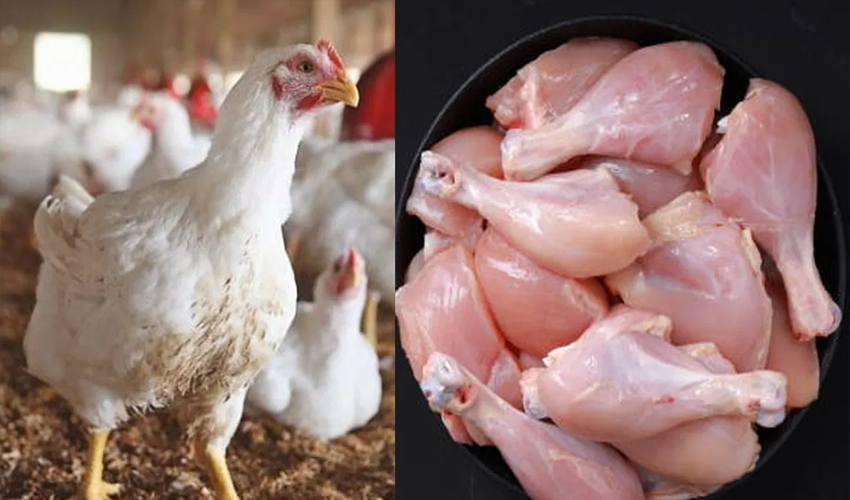
Chicken is one of the most widely eaten foods in Pakistani households, served in everything from a simple home-cooked curry to restaurant menus across the country. Because prices can change quickly, many consumers check today chicken rates before buying. People notice when chicken prices move, sometimes within the same week.
Shoppers also notice that chicken rarely costs the same in every city. A buyer in Lahore and a buyer in Quetta may pay noticeably different prices on the very same day, even though both are buying the same product.
These changes are not random. Chicken prices in Pakistan respond to a mix of production costs, supply levels, local demand, and the distance a bird has to travel before it reaches a shop. This article looks at how chicken actually gets from the farm to the dinner table, what drives price changes day to day, and why two cities can show two very different rates at the same time.
How Chicken Moves From Farms to Local Markets
Before chicken reaches a kitchen, it passes through a chain of stages. Understanding this journey helps explain why its price is never fixed at a single point.
Poultry farms and production
Chicken sold in Pakistan is largely broiler chicken, raised on commercial poultry farms for meat production. Farms raise birds in batches, feeding them until they reach a market ready weight, generally over a period of several weeks. Once a batch is ready, farmers begin selling to buyers who come directly to the farm or to nearby collection points.
Wholesale markets
From the farm, birds typically move to a wholesale poultry market. These markets exist in most major cities and act as a central point where large quantities of live birds are bought and sold each morning. Wholesalers purchase in bulk from farmers or farm agents, then sell smaller quantities to retailers, restaurants, and other bulk buyers.
Retail markets
The final stage is the retail shop, whether a small neighborhood poultry vendor, a larger meat shop, or a supermarket counter. Retailers buy their stock from the wholesale market and then sell it to individual households in smaller quantities, whether as a live bird or as dressed, ready to cook meat. Each stage along this chain, from farm to wholesaler to retailer, adds its own costs, and each one can also see its own shifts in supply and demand on any given day.
What Factors Affect Chicken Prices in Pakistan?
A number of factors influence the cost of chicken at each stage of this chain. None of them works alone, and their combined effect is what moves prices from one day to the next.
Poultry feed and production costs
Feed is one of the largest expenses in raising broiler chickens. Maize, soybean meal, and other feed ingredients make up a large share of a farmer’s running costs. When feed prices rise, farmers need higher rates for their birds simply to keep their operations viable, and that pressure can work its way through to wholesale and retail prices over time.
Supply and availability of chickens
The number of birds ready for sale on a given day affects how much pressure there is on prices. If fewer birds reach the wholesale market than buyers need, prices tend to firm up. If supply is strong relative to demand, prices tend to ease. This balance between how many birds are available and how many buyers want them is the starting point for most short term price movement.
Consumer demand
Demand for chicken is not constant throughout the year. It tends to rise during occasions such as Ramadan, Eid, and wedding season, when households and caterers buy larger quantities than usual. When demand increases faster than supply can adjust, prices typically respond.
Weather and seasonal conditions
Extreme heat, particularly during summer months, can affect bird health and growth rates on farms, which may reduce the number of birds ready for market in a given period. Poor weather can also disrupt farm operations more broadly, with knock on effects for supply later in the season.
Transportation and fuel costs
Birds have to be transported from farms to wholesale markets, and chicken has to move again from wholesale markets to retail shops. Fuel prices directly affect the cost of this transport. When fuel becomes more expensive, that additional cost is generally reflected somewhere along the supply chain.
Poultry health and disease conditions
Poultry farming, like any livestock sector, can be affected by disease outbreaks that reduce flock numbers or require farms to take precautionary measures. The scale and impact of any such event varies widely, and specific claims about disease related price effects should be treated carefully unless confirmed by an official or agricultural source. In general terms, however, any event that reduces the number of healthy birds available for market can tighten supply.
None of these factors determines prices in isolation. A hot spell combined with rising feed costs, for instance, tends to have a different effect than either factor would produce alone.
Why Chicken Prices Differ Across Pakistani Cities
Two cities buying the same product on the same day can still show different prices, and the supply chain described earlier explains much of why.
Urban demand and local markets
Larger cities with bigger populations and more restaurants, hotels, and food businesses generally see steadier, higher volume demand. A city with a dense concentration of buyers places more pressure on available local supply than a smaller market would.
Transportation and regional supply
Cities located close to major poultry farming regions usually receive chicken with less transport involved, which can keep costs lower. Cities farther from these production areas depend on chicken traveling a longer distance, and that added transport cost and time can show up in the final price.
Wholesale and retail differences
Each city’s wholesale market operates somewhat independently, with its own daily balance of arrivals and buyers. Local retail competition also varies, with some areas having many competing shops and others having fewer. Both factors mean that even neighboring cities can see rates that differ by a noticeable margin on a given day.
Wholesale and Retail Chicken Prices: What’s the Difference?
Chicken does not have one single price. It has several, depending on which stage of the supply chain is being measured.
| Price Level | What It Represents |
| Farm or producer price | What a farm charges when birds leave the farm, before transport or market costs are added |
| Wholesale price | The rate at which wholesalers sell in bulk to retailers and other large buyers, including transport and market handling costs |
| Retail price | What an individual consumer pays at a local shop, which includes the retailer’s own costs and margin |
These figures differ because each stage carries its own costs and its own margin. A retail price will almost always be higher than the wholesale price for the same chicken, and the wholesale price will usually be higher than the farm price, simply because of what has been added along the way. This article does not state specific current rates, since these change regularly and vary by location.
Why Today’s Chicken Rate May Not Be the Same Tomorrow
Even within a single city, the rate quoted one morning is not guaranteed to hold the next day. Several things can shift between one day and the next.
The number of birds arriving at a wholesale market changes daily, depending on how many farms are selling that day. A smaller than usual arrival can tighten supply quickly, while a larger one can ease it. Day to day demand also shifts, rising around weekends, paydays, or local events, and easing during quieter periods.
Local market conditions, such as how actively traders are buying and selling on a particular morning, can move prices within hours. Transportation delays, whether from weather, road conditions, or simple scheduling, can also affect how much stock reaches a market on a given day.
Because of all this, a rate that was accurate yesterday is not a reliable guide for today. Since chicken prices can vary by location and change with market conditions, consumers may want to check today chicken rates for their city before visiting the market, rather than relying on a figure from a previous visit or a number shared informally.
How Consumers Can Keep Track of Chicken Prices
Given how often rates move, a few practical habits can help buyers avoid relying on outdated information.
Check the local market
Asking at more than one shop before a larger purchase gives a quicker sense of where the local rate actually stands on a given day, rather than assuming yesterday’s price still applies.
Look for reliable market information
Official market committees and provincial food departments in several parts of the country publish or regulate reference rates for essential commodities, including chicken, and these can offer a useful benchmark where available.
Use updated online rate information
For a quicker check before heading to the market, online platforms that track today chicken rates by city can help buyers compare prices without needing to call around or rely on word of mouth, particularly useful for anyone buying in bulk or planning for an event.
What Changing Chicken Prices Mean for Households and Poultry Businesses
Price movement in the poultry sector affects more than just a single shopping trip.
Impact on households
For many families, chicken is a regular part of weekly meal planning, so a noticeable rise in price can affect how much is bought or how often it appears on the table. Households that cook in bulk, such as for a gathering or event, are particularly sensitive to day to day rate changes.
Impact on poultry farmers and sellers
For farmers, rising feed and production costs without a matching rise in selling price can squeeze margins, while a sudden drop in demand can leave sellers with birds they need to move quickly. Retailers and wholesalers face similar uncertainty, needing to price stock in a way that reflects what they paid upstream while staying competitive with nearby shops. For everyone along the chain, keeping an eye on current market conditions is simply part of doing business.
Frequently Asked Questions
Why do chicken prices change frequently in Pakistan?
Chicken prices respond daily to factors such as how many birds reach the market, feed and transport costs, and shifts in consumer demand, so rates can move from one day to the next.
Why is chicken sometimes more expensive in one city than another?
Differences in local demand, distance from poultry producing regions, and local market and retail conditions mean that the same product can be priced differently in different cities on the same day.
Does poultry feed affect chicken prices?
Yes. Feed is one of the largest costs in raising broiler chickens, and a rise in feed prices can eventually be reflected in wholesale and retail chicken rates.
Are wholesale and retail chicken prices the same?
No. Wholesale prices apply to bulk buyers such as retailers and restaurants, while retail prices include the retailer’s own costs and margin, and are usually higher.
Why can chicken prices change during Ramadan and Eid?
Demand for chicken typically rises during these periods as households and caterers buy more than usual, and that increased demand can put upward pressure on prices.
Where can consumers check updated chicken rates?
Local market committees, provincial food departments, and online chicken rate tracking platforms that publish today chicken rates by city are useful places to check before buying.
Conclusion
Chicken prices in Pakistan move for clear, identifiable reasons, including feed and transport costs, how many birds are available on a given day, seasonal demand, and the distance chicken has to travel before reaching a particular city. These same factors explain why prices can differ between cities and even between one day and the next. For buyers, understanding this system makes price changes easier to interpret, and checking current rates before a purchase remains the most reliable way to know what to expect at the market.