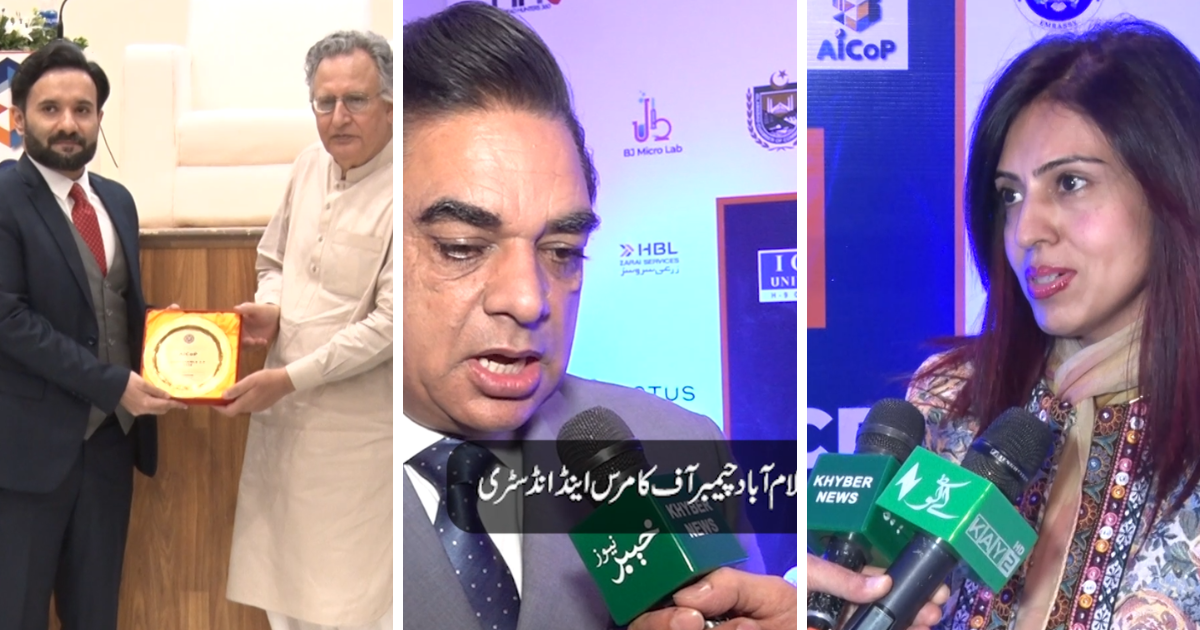
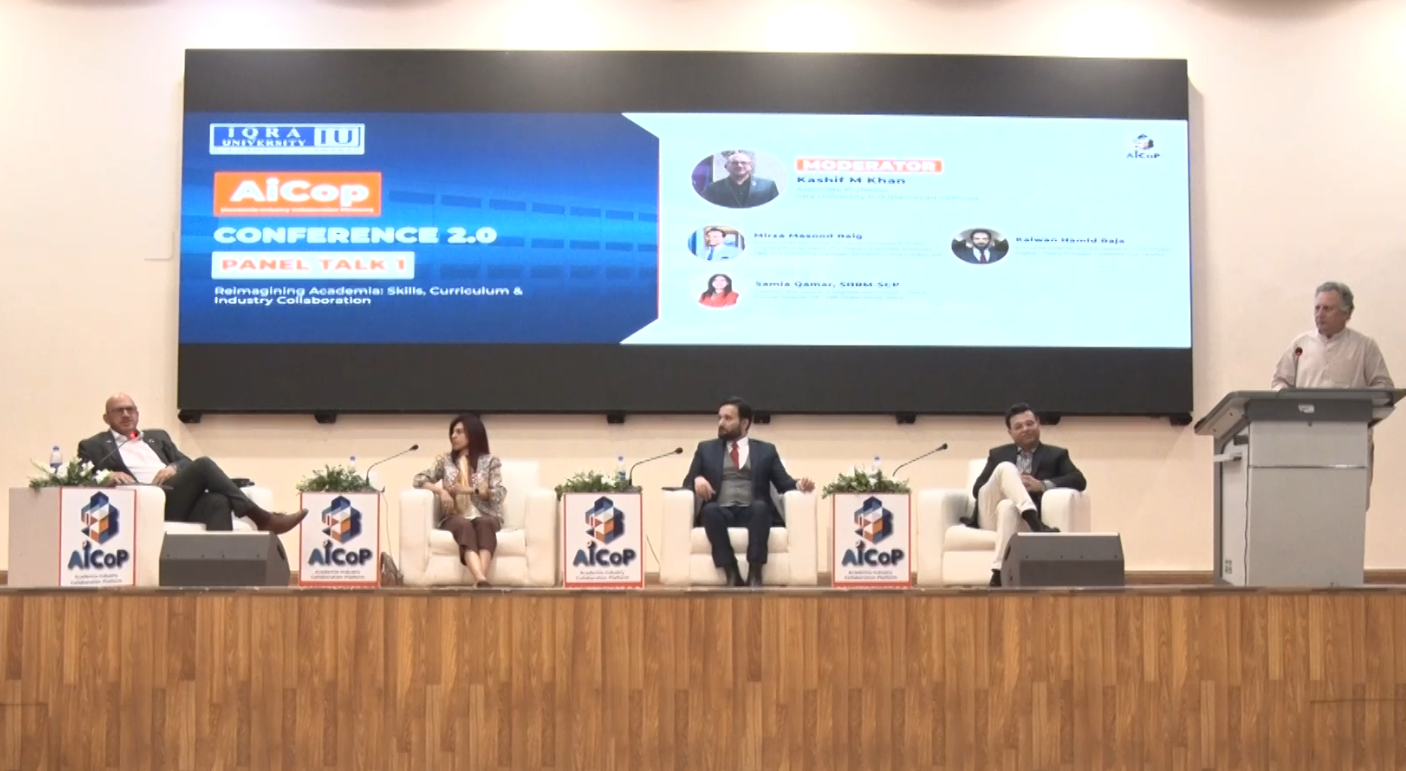
Iqra University’s H-9 Campus in Islamabad recently hosted the AICoP Conference 2.0, an event built around the Academia-Industry Collaboration Platform. The gathering drew leaders from universities, business chambers, industry and the diplomatic community, all focused on a shared goal: strengthening the ties between higher education and the private sector.
Rawalpindi Chamber of Commerce & Industry (RCCI) President Usman Shaukat delivered the keynote address at the event. He spoke about the need for closer cooperation between universities and businesses, arguing that this kind of partnership is essential for giving young people market-relevant skills, encouraging entrepreneurship, and opening up new opportunities for Pakistan’s youth. He also linked this collaboration directly to the country’s broader push for sustainable economic growth.
A High-Profile Guest List
The AICoP Conference 2.0 attracted several notable figures. Natalie A. Baker, Chargé d’Affaires at the United States Embassy in Islamabad, attended as Chief Guest, lending an international dimension to the proceedings. Sardar Tahir Mehmood, President of the Islamabad Chamber of Commerce & Industry (ICCI), joined as Guest of Honour, alongside Iqra University’s Vice Chancellor. Mr. Kaiwan Hamid Raja, Executive Director of Khyber Network, Founder of Khyber Academy for Media Technologies, and CEO of Khyber Digital was esteemed panelist.
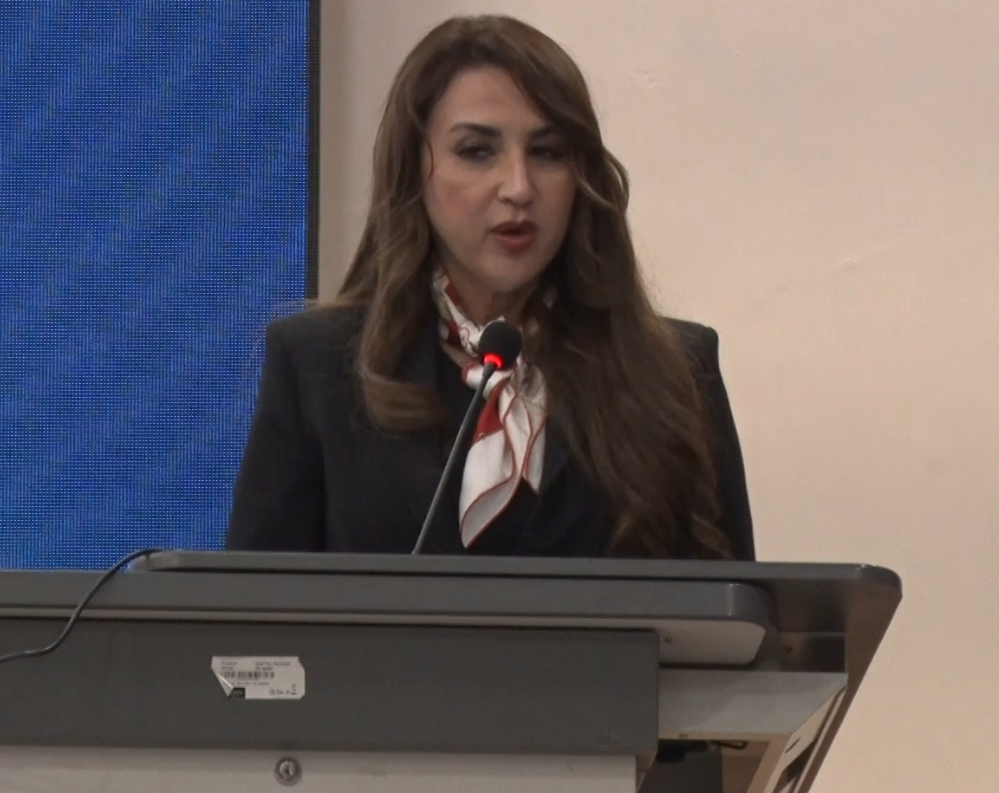
Their presence underscored how seriously both the public and private sectors are taking the conversation around academia-industry collaboration in Pakistan, particularly as it relates to emerging fields like artificial intelligence.
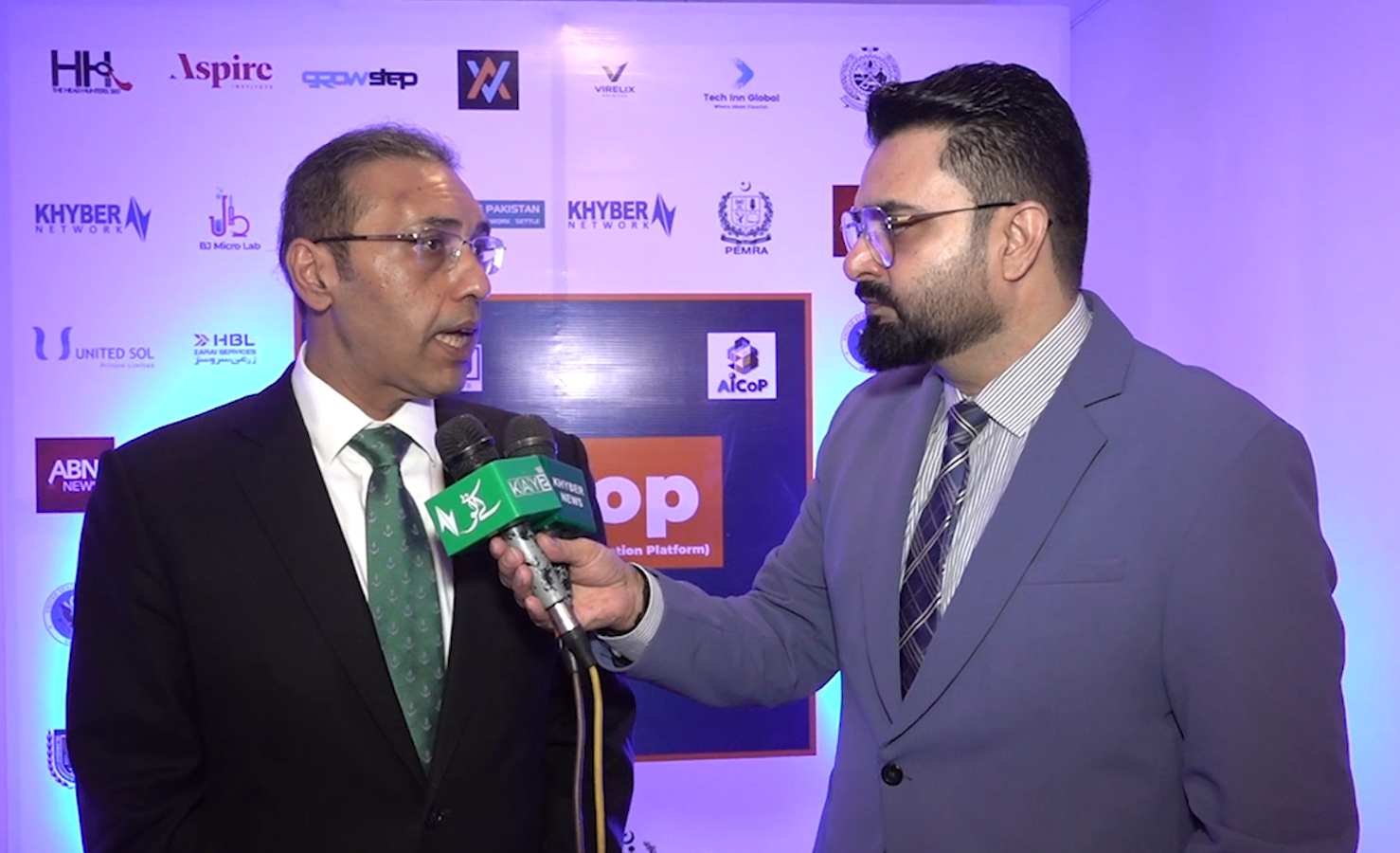
Mr. Kaiwan Hamid Raja, Executive Director of Khyber Network, Founder of Khyber Academy for Media Technologies, and CEO of Khyber Digital, participated in the conference as a panelist.
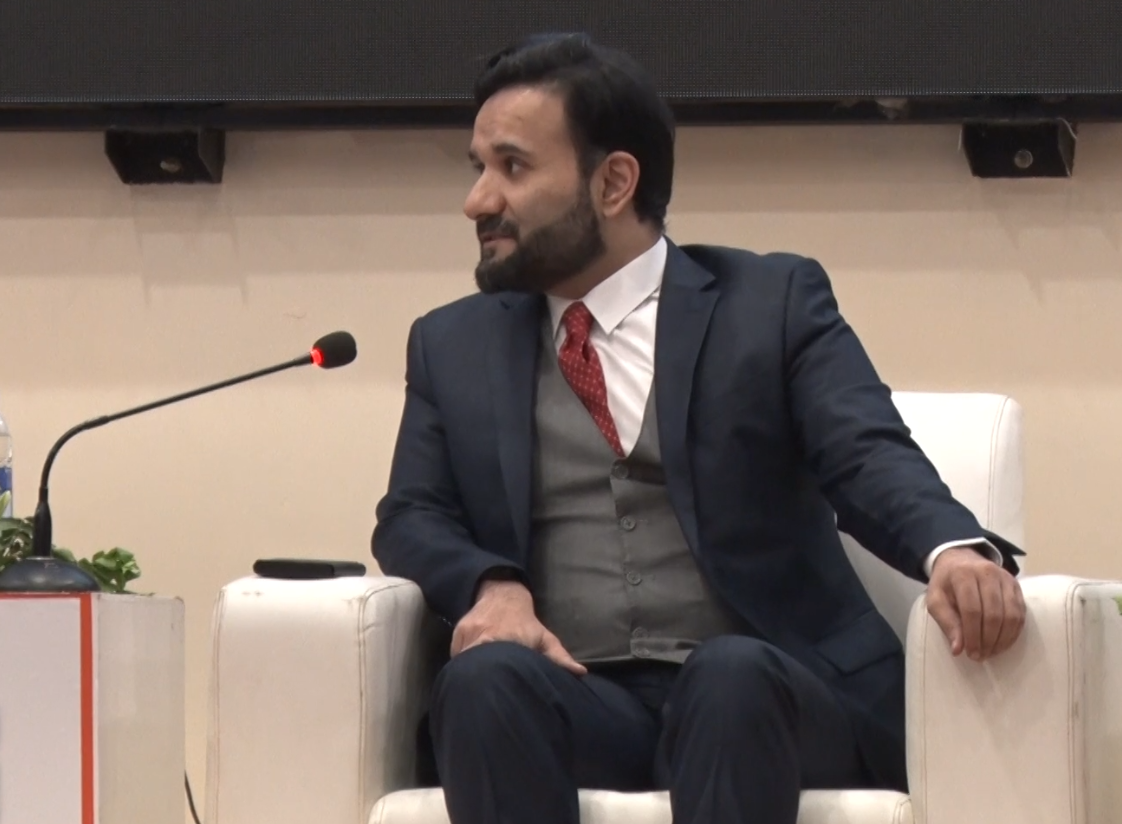
In his special remarks, he described the conference as a timely and much-needed initiative, calling it an excellent session overall. He added that someone needs to take the first step in bridging the divide between media and academia, noting that the media industry needs academia just as much as academia needs the media industry, and that both sides must make an effort to understand each other’s challenges.
Artificial Intelligence Takes Centre Stage
Beyond the keynote, the conference featured wide-ranging discussions on artificial intelligence, technology-driven innovation, and how industry needs are reshaping the skills students should be learning. Panelists and speakers touched on research collaboration, digital-economy readiness, and how universities can better align their programs with what employers actually need.
The event positioned itself as more than a one-off gathering. Organizers framed the AICoP Conference 2.0 as part of an ongoing effort to build a lasting platform where knowledge exchange between academia and industry can continue well beyond the conference itself.
Partnerships Behind the Platform
The conference’s reach was extended through support from partner organizations Khyber Network and KAY2, whose involvement helped create a broader space for engagement between industry players and academic institutions. According to organizers, this kind of partnership is central to shaping future-focused collaboration and turning innovative ideas into practical opportunities.
Taken together, the discussions and partnerships on display at Iqra University reflect a growing recognition in Pakistan that solving the skills gap and driving innovation will require academia, industry, and government to work in tandem, not in isolation.