
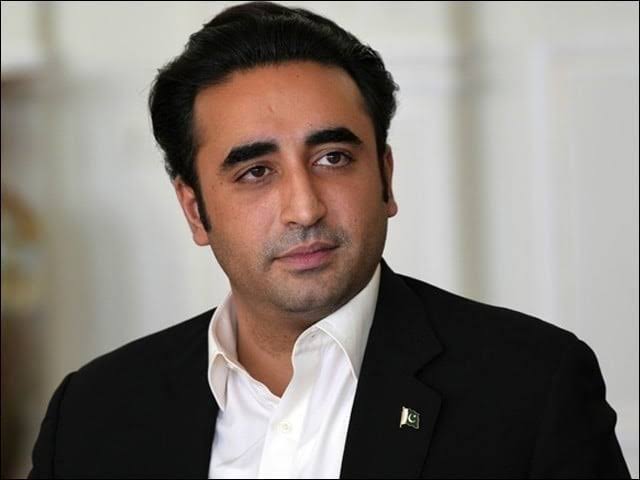
PPP Chairman Bilawal Bhutto-Zardari has commended Malaysian Prime Minister Anwar Ibrahim for pushing back against India’s efforts to tie Pakistan to terrorism, arguing that the episode has left New Delhi internationally discredited.
Writing on X, the former foreign minister said Ibrahim had called out what he termed Indian propaganda during a recent appearance on Indian television.
Anwar Ibrahim Declines to Link Pakistan to Pahalgam Attack
During the exchange, an Indian television anchor tried to draw a connection between Pakistan and the April 2025 Pahalgam attack. Ibrahim pushed back, stating that Malaysia’s security agencies had given him no indication of Pakistani state involvement in terrorism and that no evidence supporting such a claim had ever been shared with him.
Reacting to this, Bilawal wrote that India had launched a conflict built on a false premise and had come away from it badly, adding that the country’s credibility had taken a hit on the world stage as a result.
He went on to say India needs to honor the commitments it made when the ceasefire was reached, including engaging with Pakistan on every unresolved issue between the two countries. According to Bilawal, doing so would allow both nations to jointly pursue peace, stability and economic progress in the region.
The Malaysian leader’s comments were made during a sit-down with NDTV, held on the margins of the Brics Summit taking place in New Delhi.
Ibrahim Also Weighs In on Gaza
Beyond the Pakistan-related question, Ibrahim was asked whether Israel’s conduct in Gaza constituted state terrorism. He answered yes, applying the same “state terrorism” label to Israel’s actions there.
Ibrahim’s comments carried weight given the timing, coming just months after the Pahalgam incident strained relations between India and Pakistan. The attack occurred on April 22, 2025, in Indian Illegally Occupied Jammu and Kashmir, leaving 26 people dead, most of them tourists. India pinned blame on Pakistan, a charge Islamabad denied while calling for an independent probe into the incident.
The fallout escalated when India carried out military strikes against Pakistan on May 6 and 7, sparking a direct military confrontation between the two nuclear-armed states. Pakistan’s military said it downed eight Indian fighter jets, among them French-built Rafale jets, along with several dozen drones over the course of the 87-hour standoff.
Hostilities eventually stopped following a ceasefire brokered by the United States, after which Pakistan called for dialogue between the two countries to settle their remaining disputes.