
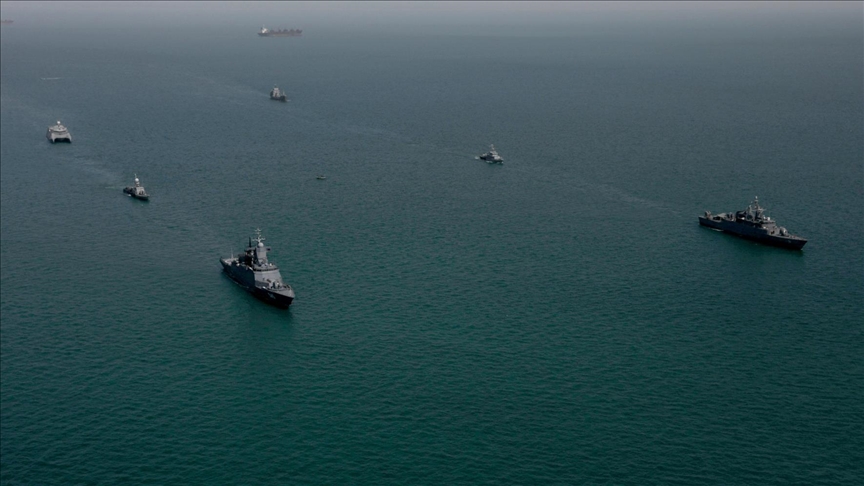
The issue of oil shipments through Hormuz has gained attention after Donald Trump says the United States will assist in managing shipping traffic in the strategic waterway. His statement came shortly after a temporary ceasefire with Iran, which reopened key routes for global trade.
In his remarks, Donald Trump says the US will help handle the buildup of vessels in the Strait of Hormuz. He added that American support will focus on ensuring smooth movement of ships and preventing disruptions in operations. This step is directly linked to restoring normal oil shipments through Hormuz after weeks of tension in the region.
The Strait of Hormuz plays a vital role in global energy transport. A large volume of crude oil and refined fuel had remained stuck in the Gulf due to the conflict. With the ceasefire in place, attention has shifted toward clearing congestion and improving flow across the route.
Data from Kpler shows that about 130 million barrels of crude oil and 46 million barrels of refined products are currently waiting for transit. These shipments are spread across nearly 200 tankers, highlighting the scale of the backlog and the importance of stabilizing oil shipments through Hormuz.
Donald Trump says the US involvement could also help boost economic activity in the region. He suggested that smoother shipping and increased trade may open new opportunities for growth and recovery in Middle Eastern economies.
Reports indicate that Iran may charge transit fees from ships passing through the Strait. These revenues are expected to support reconstruction efforts after the conflict, adding an economic dimension to the ongoing developments.
Although the US has not shared detailed operational plans, its role is expected to focus on coordination and support to reduce delays. This has raised cautious optimism among global markets that oil shipments through Hormuz will return to normal levels soon.
As conditions improve, maintaining stability in maritime traffic remains a priority. The coming days will show how effectively the backlog is managed and whether global energy flows can fully recover.