
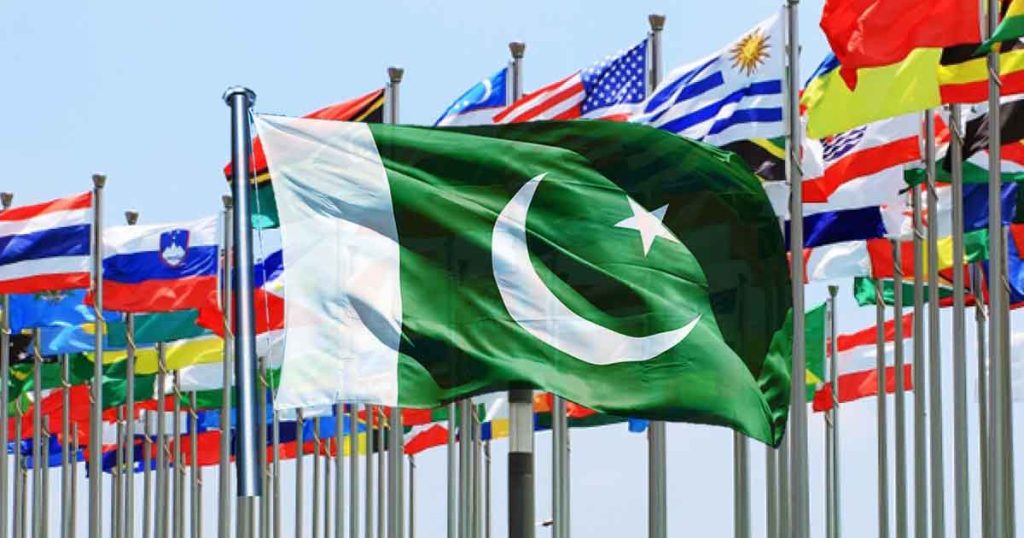
In recent news that has caught the attention of many around the world, Prime Minister Shahbaz Sharif of Pakistan has received an invitation from United States President Donald Trump to join the Board of Peace on Gaza. The Foreign Office confirmed this on Sunday, and it has sparked a lot of interest in how Pakistan might play a role in solving one of the world’s toughest conflicts.
According to the Foreign Office spokesperson Tahir Andrabi, Pakistan will stay involved in global efforts for peace and security in Gaza. He said this will help lead to a lasting solution for the Palestine issue, following United Nations resolutions. This invitation comes at a time when Pakistan has been clear about its stance on the matter. Deputy Prime Minister and Foreign Minister Ishaq Dar mentioned last month that Pakistan’s leaders, both civil and military, agree not to send troops to Gaza to disarm Hamas. Instead, Pakistan wants to play a constructive role in the US peace plan for Palestine.
The Board of Peace on Gaza is a new idea from President Trump. It started taking shape on Saturday, with leaders from Egypt, Turkey, Argentina, and Canada being asked to join. Trump has named himself as the chair of this board. He has also picked his Secretary of State Marco Rubio, former British Prime Minister Tony Blair, and key negotiators Jared Kushner and Steve Witkoff for the panel.
The board aims to focus on things like building governance, improving regional relations, reconstruction work, attracting investments, and gathering large funds for Gaza. Gaza has suffered a lot from over two years of Israeli bombardment, leaving it in ruins. Now, this board wants to promote economic development there, even though the plan is controversial.
Other countries have responded in different ways. In Canada, a senior aide to Prime Minister Mark Carney said they plan to accept the invitation. Turkey’s President Recep Tayyip Erdogan was asked to be a founding member, and a spokesman confirmed it. Egypt’s Foreign Minister Badr Abdelatty said they are studying the request for President Abdel Fattah al-Sisi. Argentina’s President Javier Milei shared an image of the invitation letter on X and called it an honor to participate. Tony Blair, who has a mixed reputation in the Middle East because of his role in the 2003 Iraq invasion, thanked Trump for the leadership and said he is honored to be on the executive board.
There’s also a draft charter for the board that was sent to about 60 countries. It asks members to contribute $1 billion in cash if they want their membership to last more than three years. Otherwise, the term is just three years, renewable by the chairman.
This invitation to Pakistan is very important for several reasons. First, it shows that the world sees Pakistan as a key player in Middle East peace efforts. Pakistan has a large Muslim population and has always supported Palestine. Being invited by a major power like the US means Pakistan’s voice matters on the global stage. The Board of Peace on Gaza could help bring real change to the area, and Pakistan’s involvement might push for fair solutions based on UN rules. This is not just about talk; it’s about action in governance, rebuilding, and funding. For Pakistan, joining could open doors to more international cooperation and even economic benefits, like new investments or aid.
The importance also lies in the timing. The Gaza conflict has caused a lot of suffering, and many countries are looking for ways to end it. Trump’s plan, though debated, is a bold step. By inviting Pakistan, the US is recognizing Pakistan’s balanced approach. Pakistan has spoken out against violence but also offered to help in peaceful ways.
This invitation could strengthen ties between Pakistan and the US, which have had ups and downs in the past. Stronger relations might lead to more support in areas like trade, security, and technology. Overall, it’s a sign that Pakistan is trusted to contribute positively to world peace. When we look at Pakistan’s positive global image, this invitation boosts it a lot. For years, Pakistan has worked hard to show itself as a responsible nation. It has taken part in UN peacekeeping missions around the world, sending troops to help in troubled areas. This has earned respect from many countries. Pakistan’s stand on Palestine is consistent and principled, always calling for justice and two-state solutions.
Being invited to such a high-level board tells the world that Pakistan is seen as a peacemaker, not just a regional power. It helps counter negative stories about terrorism or instability that sometimes appear in the media. Instead, it highlights Pakistan’s diplomatic skills and commitment to global issues.
Pakistan’s image has improved because of its efforts in fighting extremism at home and promoting education and women’s rights. The country has hosted important international events and worked with neighbours on trade routes like the China-Pakistan Economic Corridor. This invitation adds to that positive view, showing Pakistan as a bridge between the East and West. Leaders like Prime Minister Shahbaz Sharif have focused on economic reforms and foreign relations, which make Pakistan look more stable and attractive. Globally, people now see Pakistan as a nation ready to lead in solving big problems, not just dealing with its own.
If Pakistan joins the Board of Peace on Gaza, it might get more influence in Middle East affairs. This could lead to better relations with Arab countries, opening up markets for Pakistani goods and workers. Remittances from the Middle East are already important for Pakistan’s economy, and this could increase them. On the peace side, Pakistan’s input might help ensure the plan respects Palestinian rights, leading to a fairer outcome. In the long run, success in Gaza could inspire similar efforts in other conflicts, with Pakistan playing a role.
Economically, the board’s focus on reconstruction and investment could bring opportunities for Pakistani companies. They might get contracts for building or providing services in Gaza. Also, contributing to the board, even if not the full $1 billion, shows commitment and could attract foreign aid or loans on better terms. Politically, it strengthens the current government and shows unity between civil and military leaders. For the people of Pakistan, it brings pride and hope for a brighter future. If things go well, it might even help in resolving issues like Kashmir by setting examples of international cooperation.
The government under Prime Minister Shahbaz Sharif has pursued a foreign policy of engagement and balance. They have improved ties with the US while keeping strong relations with China and Muslim nations. Policies like economic diplomacy have focused on trade and investment, making Pakistan more appealing. The government has also worked on anti-terrorism laws and operations to show it’s serious about security. This has helped rebuild trust with the West.
The Pakistan Army has played a big role too. Through operations like Zarb-e-Azb and Radd-ul-Fasad, they have cleared terrorist groups from border areas, making the country safer. The Army has also supported peacekeeping, with Pakistani soldiers serving in UN missions in Africa and elsewhere. Their professional training and discipline have earned praise. The military’s support for civilian government in foreign affairs shows unity, which is key for a strong global image. Policies on nuclear responsibility and non-proliferation have assured the world that Pakistan is a stable nuclear power. All these efforts have slowly elevated Pakistan’s status, leading to invitations like this one for the Board of Peace on Gaza.
By joining, Pakistan can help bring peace to a troubled area while gaining benefits at home. The world is watching, and Pakistan is ready to step up. As the board moves forward, Pakistan’s constructive role could inspire others. In simple terms, this is a win for diplomacy and a step toward a better tomorrow for everyone involved.