
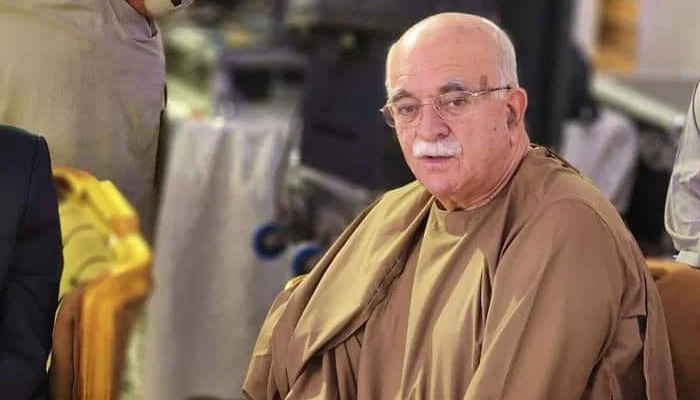
Imran Khan’s decision to nominate Mahmood Khan Achakzai as the Leader of the Opposition in the National Assembly reveals deep cracks within Pakistan Tehreek-e-Insaf (PTI). After the disqualification of Omar Ayub in August 2025 due to May 9-related convictions, the post remained empty for months. Instead of choosing a capable leader from his own party, Imran Khan turned to the head of the small Pashtunkhwa Milli Awami Party (PkMAP) and the opposition alliance TTAP.
This choice, first made in August 2025 and finalized with the official notification on January 16, 2026, points to a clear lack of trust in PTI’s own ranks. Many observers and even some social media voices describe this move as a sign of weakness. PTI could not confidently put forward one of its senior figures because so many face ongoing legal cases, arrests, and the constant threat of disqualification. Imran Khan appears to believe that no one inside the party is reliable or safe enough for such a key constitutional role.
This reliance on an outsider from a minor allied party makes PTI look desperate and unable to stand on its own. It highlights how the party has become overly dependent on Imran Khan himself, with critics noting that PTI’s entire political activity revolves around its incarcerated founder, leaving little room for independent leadership. This nomination damages PTI’s image badly. By handing a top parliamentary position to someone outside the core party, it shows internal disorganization and a failure to groom strong leaders. Supporters feel disappointed, seeing it as proof that PTI lacks unity and discipline—one critic even called Achakzai a “hired opposition leader,” suggesting the party is running from its own failures.
The long delay in filling the opposition seat also hurt PTI, as the party stayed absent from real parliamentary work for months, focusing more on protests than on legislative duties. This absence weakens democracy and makes PTI seem more like a protest group than a mature political force.
Choosing Achakzai over any PTI member exposes serious problems: too many legal troubles for its leaders, growing distrust from the top, and a party struggling to function without its founder calling every shot. While it might give short-term unity to the opposition alliance, this step weakens PTI in the long run, hurting its credibility, morale, and ability to fight effectively inside parliament. It leaves the impression of a once-powerful movement now reduced to depending on others to fill its own important roles.