
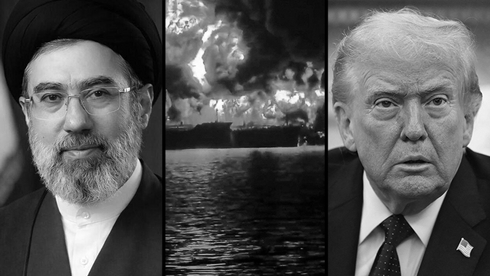
Iran’s response to US peace proposal has deepened uncertainty over the ongoing conflict in the Middle East after President Donald Trump rejected Tehran’s latest offer for negotiations.
The Iranian proposal focused on ending the war across the region, easing tensions in Lebanon, and restoring safe shipping through the Strait of Hormuz. Iranian media reports said Tehran also demanded compensation for war damage, an end to sanctions, and guarantees against future attacks.
Soon after the proposal surfaced, Trump dismissed it in a social media post and called it “totally unacceptable.” However, he did not explain which parts of the offer the United States rejected.
Iran’s response to US peace proposal also included demands for the removal of the US naval blockade and the resumption of Iranian oil exports. Reports said Tehran wanted negotiations to focus first on ending the war before discussing sensitive issues like its nuclear program.
The diplomatic deadlock pushed oil prices higher, with global markets reacting to fears of continued instability in the Strait of Hormuz, one of the world’s most important oil shipping routes.
Pakistan reportedly played a key role in the talks by delivering Iran’s message to Washington through diplomatic channels. At the same time, Qatar and other regional countries continued mediation efforts to prevent further escalation.
Despite a ceasefire that has largely held in recent weeks, security concerns remain high across the Gulf region. Several countries, including the United Arab Emirates, Qatar, and Kuwait, reported hostile drone activity over the weekend.
Iran’s response to US peace proposal comes as pressure grows on both Washington and Tehran to avoid another major escalation that could damage the global economy and disrupt energy supplies worldwide.
Israeli Prime Minister Benjamin Netanyahu also said the conflict was not fully over and stressed that Iran’s nuclear activities still remained a major concern. Meanwhile, Iranian President Masoud Pezeshkian vowed that Tehran would continue defending its national interests.