
Khyber Pakhtunkhwa is facing a serious healthcare crisis, with more than 200 government health facilities non-functional and a major shortage of doctors and hospital beds, according to figures shared by the provincial health department.
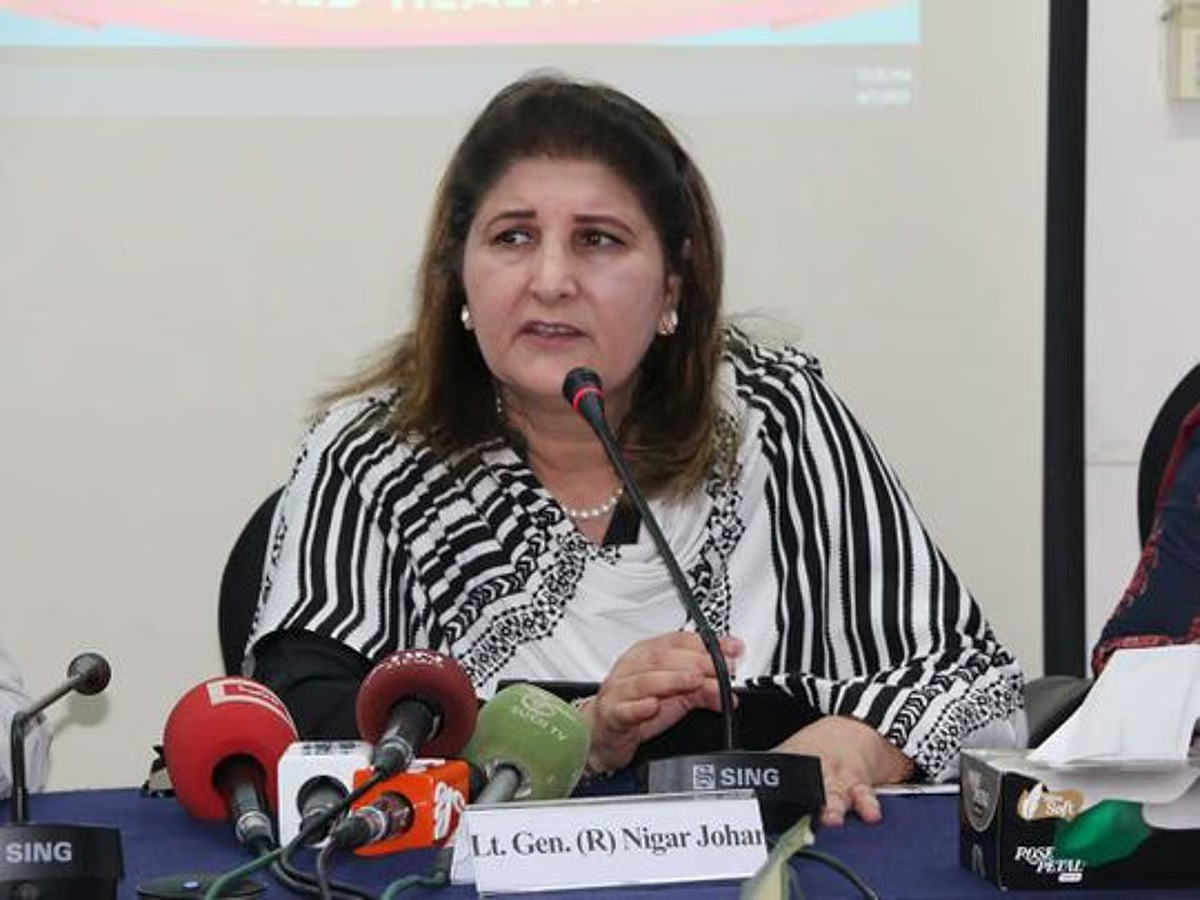
Health Adviser Lieutenant General (retd) Nigar Johar revealed the situation during a briefing in Peshawar, saying existing healthcare facilities were insufficient to meet the needs of the province’s population of more than 40 million.
She said the government health system employed 30,697 staff members, but the province needed more medical personnel and better facilities to serve its growing population.
The province has around 18,000 hospital beds, while an estimated 64,000 are needed to meet healthcare requirements.
The briefing also highlighted a shortage of doctors. More than 40 million people in Khyber Pakhtunkhwa have access to just 8,024 doctors, leaving roughly one doctor for every 5,000 to 6,000 people.
Johar said the government planned to shift 124 hospitals to solar power to address electricity problems and improve the delivery of medical services.
The government also plans to spend Rs1.65 billion on medical equipment for hospitals in 12 districts. Another Rs2 billion has been proposed for purchasing equipment for hospitals across 25 districts.
The purchases aim to improve diagnostic and treatment facilities in government hospitals.
Johar also announced plans to amend the Medical Teaching Institutions Act and conduct audits of hospitals to improve their performance and management.
On the Sehat Card programme, she said the government had no plans to discontinue the facility. Instead, it would address existing shortcomings and introduce reforms to improve healthcare services for the public.
The figures highlight the scale of the challenges facing the provincial health system, particularly the shortage of medical staff, limited hospital capacity and the large number of non-functional public health facilities.