
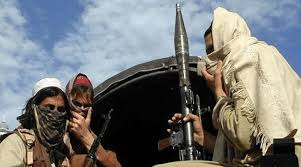
Pakistan has warned the international community about TTP safe havens in Afghanistan, saying the presence of terrorist groups on Afghan soil poses a serious threat to the region and beyond. The concern was raised by Pakistan’s Permanent Representative to the United Nations, Ambassador Asim Iftikhar Ahmad, during a UN Security Council meeting on Afghanistan.
Speaking at the session, the ambassador said several militant organisations continue to operate from Afghan territory. According to him, TTP safe havens in Afghanistan allow groups such as Tehreek-e-Taliban Pakistan, the Balochistan Liberation Army, Majeed Brigade, Daesh Khorasan, Al-Qaeda, and the East Turkestan Islamic Movement to plan and launch attacks across borders.
He said Pakistan has repeatedly tried to work with the Taliban authorities to promote peace and stability in Afghanistan. Islamabad facilitated dialogue, supported humanitarian assistance, encouraged trade, and eased visa rules to help Afghanistan reconnect with the region.
Despite these efforts, Pakistan believes the expectations of the international community remain unmet. Ambassador Ahmad said progress has not been achieved in key areas identified by the Doha Process, including counterterrorism, human rights, and inclusive governance.
He stressed that TTP safe havens in Afghanistan continue to fuel violence against Pakistan. According to him, terrorist networks have planned and organised attacks from Afghan territory since the Taliban returned to power. Pakistan has lost thousands of lives to terrorism during this period.
The ambassador said the country witnessed a sharp rise in attacks in recent weeks. Last month alone, more than 175 Pakistani citizens were killed in terrorist incidents, including three suicide bombings.
In response to these threats, Pakistan carried out targeted operations along the border. Ambassador Ahmad explained that on February 21 and 22, Pakistani forces launched intelligence-based strikes against seven terrorist camps and hideouts belonging to the TTP and its allied groups, as well as militants linked to ISIL-K.
He said these actions specifically targeted TTP safe havens in Afghanistan and nearby areas used for planning attacks. The operations were carefully planned and focused only on confirmed militant locations.
However, tensions increased soon after. On February 26, the Taliban authorities announced hostilities against Pakistan and began firing at border posts and military installations in several areas. Pakistan responded with defensive measures aimed at militant positions and logistical bases.
Ambassador Ahmad told the council that Pakistan will continue to protect its citizens and territory. He said operations against terrorism will continue until the capabilities of militant groups and their support networks are weakened.
The ambassador also spoke about the difficult situation inside Afghanistan. He said ordinary Afghans continue to suffer because of economic hardship, sanctions, reduced foreign aid, and restrictions imposed by the Taliban authorities.
He added that poverty, terrorism, narcotics trade, and human rights concerns are placing heavy pressure on Afghanistan’s social and economic system.
Despite these challenges, Pakistan believes continued international engagement with Afghanistan remains essential. Ambassador Ahmad said Islamabad supports the next steps in the UN-led Doha process and hopes it will create a practical roadmap for lasting peace in Afghanistan.
He concluded by saying that Pakistan wants stability in Afghanistan more than any other country because it has suffered deeply from decades of conflict in the region. At the same time, he urged the Taliban leadership to ensure that Afghan territory is not used by militant groups.
According to him, ending TTP safe havens in Afghanistan and denying space to terrorist organisations is necessary to restore trust and improve security across the region.