
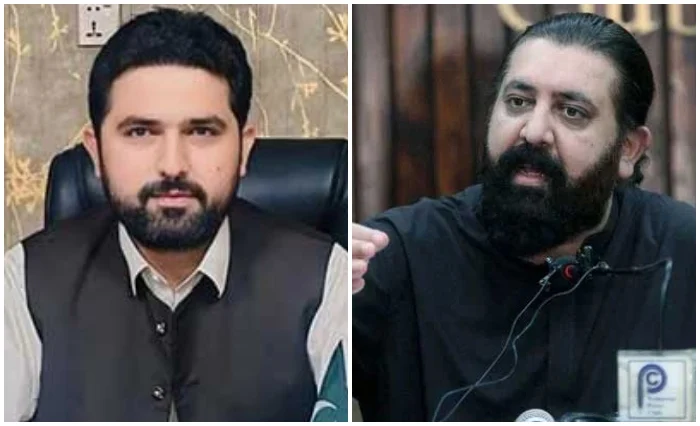
Pakistan Tehreek-e-Insaf (PTI) recently issued a clear and formal statement distancing itself from individuals and social media accounts that were trolling and using abusive language against security forces following the recent terrorist incidents in Balochistan. PTI’s Secretary Information, Sheikh Waqas Akram, stated that according to the policy of the party’s founder, the army belongs to Pakistan and is extremely important for the country’s survival.
He added that making fun of the martyrs or attempting to weaken the image of security forces is completely unacceptable.
At first glance, this appears to be a responsible and welcome position. However, a serious question arises: when PTI and its founder Imran Khan continue to use extremely harsh language against the army and security institutions from their own official and verified accounts, how credible and complete is this “disavowal”?
Over the past several months, Imran Khan has repeatedly named Army Chief General Asim Munir in his posts and accused the military leadership of fascism, unconstitutional behaviour, political revenge, and running failed strategies against terrorism.
All of these messages come directly from Imran Khan’s personal verified account and PTI’s official platforms. This is not the work of anonymous troll accounts; it is a sustained campaign run from the party’s most powerful and influential platforms. These posts repeatedly label the military as fascist, illegal, vengeful, guilty of human rights violations, constitutional breaches, and pursuing unsuccessful strategies against terrorism. When PTI says “making fun of martyrs is unacceptable”, the statement is correct and praiseworthy. But when the same party repeatedly describes the army as “fascist”, “illegal”, “politically motivated”, calls military operations unnecessary and harmful, and launches direct personal attacks on the Army Chief from its highest-level platforms, how genuine does the “disavowal of trolling” really appear?
Security forces are sacrificing their lives daily in operations against terrorism in Balochistan and Khyber Pakhtunkhwa.
In such circumstances, when a major political party continues to push a consistently negative narrative against the military from its official channels, the impact is far deeper and wider than anything anonymous trolls can achieve. If PTI genuinely stands with the security forces and respects their sacrifices, then simply distancing itself from unknown accounts is not enough. The party must also clearly and publicly state that the harsh language, direct accusations, and sustained criticism being issued by its founder, leadership, and official accounts are also against party policy and that it disowns those statements as well. Until that step is taken, the announcement of “disowning trolls” will remain little more than a statement that sounds good on the surface. In reality, the party’s overall conduct will continue to appear contradictory.
In the fight against terrorism and for national security, everyone needs to be on the same page. A double standard weakens that fight.