

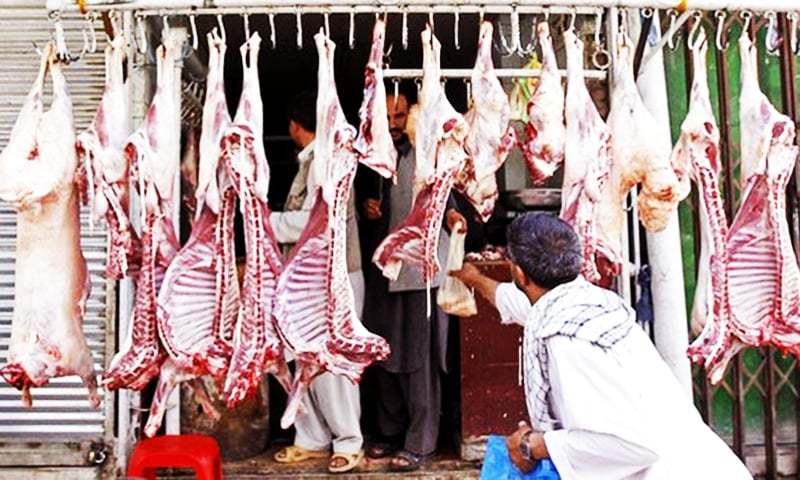
Reports of meat from dead animals being sold in Peshawar have triggered serious concern among residents as meat prices continue to rise sharply ahead of Eid. Citizens are now facing both financial pressure and growing fears over food safety.
The issue of meat from dead animals being sold in Peshawar has emerged alongside a steep increase in meat rates across the city. Small meat is reportedly reaching up to 3,500 rupees per kilogram, while beef prices have climbed between 1,500 and 1,800 rupees per kilogram. Despite the surge, there has been little visible action from local authorities.
As prices continue to rise, many residents have reduced their meat consumption. Middle-income families are also finding it difficult to afford basic quantities. The situation has added extra pressure on households already dealing with inflation.
In addition to high prices, concerns about meat from dead animals being sold in Peshawar have created fear among consumers. Reports suggest that such incidents may be occurring in certain areas, further increasing public anxiety about food quality and safety.
In local markets such as Namak Mandi, mutton prices have reached alarming levels. Goat meat is now being sold between 2,600 and 3,500 rupees per kilogram, while lamb meat has gone as high as 4,000 rupees per kilogram in some places.
Peshawar has seen a sharp rise in overall meat prices, especially in the lead-up to Eid ul Adha. Goat meat prices alone have increased by 200 to 600 rupees per kilogram in recent weeks.
Residents say the situation has become unbearable, as both affordability and trust in the market are weakening. Many are calling for stronger monitoring and strict action against illegal or unsafe practices.
Despite growing complaints, officials have yet to take visible steps to control prices or investigate reports linked to meat from dead animals being sold in Peshawar. The silence has further increased frustration among the public.