
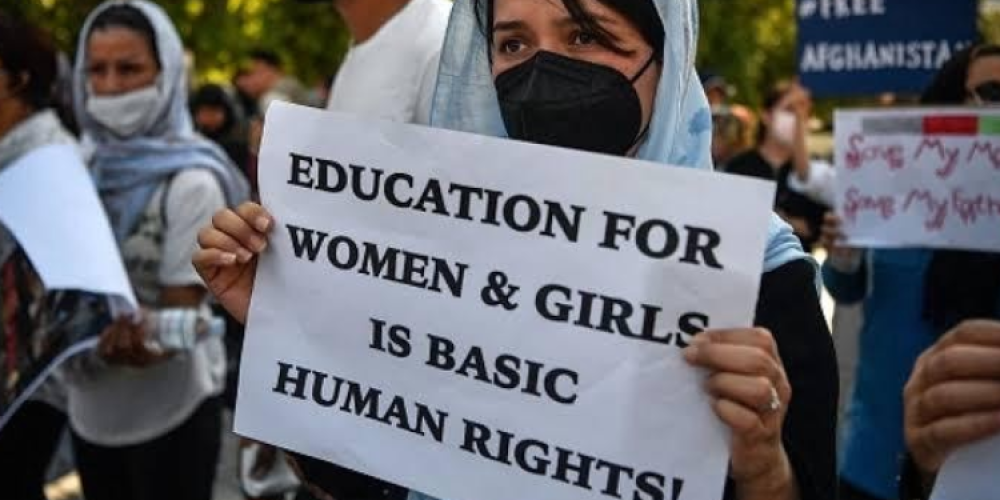
The UNAMA human rights report has raised serious concerns about the worsening human rights situation in Afghanistan, pointing to ongoing restrictions on women, increasing media censorship, and continued allegations of abuses under Taliban rule.
According to the UNAMA human rights report covering the period from January to March, restrictions on women’s education, employment, and freedom of movement have now continued for the fifth straight year. The report says these policies remain strictly enforced across the country.
The UNAMA human rights report also highlights that in provinces such as Uruzgan, Paktia, Kandahar, and Ghazni, women face severe limitations in accessing healthcare services and are often required to be accompanied by a male guardian for daily activities. These restrictions continue to impact basic life routines and mobility.
The report further notes concerns over former Afghan military personnel, who reportedly continue to face targeted actions. These include arrests, alleged torture, and killings documented during the reporting period.
Media freedom also remains under pressure. The report mentions ongoing censorship, including the continued suspension of the TV channel “Rah-e-Farda” after criticism of Taliban policies. New legal provisions have further tightened control over freedom of expression, making criticism of authorities a punishable offence.
Human rights observers cited in the UNAMA human rights report warn that such policies are deepening fear and silence across Afghan society. They also caution that the situation is pushing the country toward an increasingly severe humanitarian and political crisis.
Overall, the UNAMA human rights report paints a concerning picture of Afghanistan’s current trajectory, with limited space for rights, expression, and independent media under the existing governance system.