

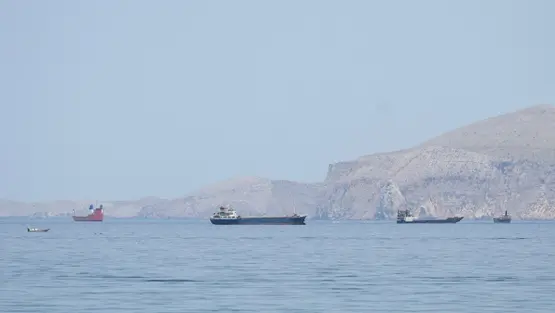
The US coalition for Strait of Hormuz is taking shape as Washington pushes allies to secure one of the world’s most critical shipping routes. The plan aims to restore safe passage after traffic through the waterway slowed sharply due to rising tensions with Iran.
The proposed US coalition for Strait of Hormuz, described as a “Maritime Freedom Construct,” would focus on sharing intelligence, coordinating diplomacy, and enforcing sanctions. However, countries like France and Britain have shown caution. They prefer to join efforts only after active hostilities come to an end.
The situation has already come at a high cost. The US military has spent around $25 billion on the conflict so far. Meanwhile, Iran has warned it will keep disrupting shipping in the region as long as it feels threatened. This has raised concerns about further disruptions to global oil supplies.
The US coalition for Strait of Hormuz also comes at a time when military options remain on the table. American officials are reviewing possible actions to increase pressure on Tehran, especially as talks over Iran’s nuclear program remain stalled.
Iran, on the other hand, insists its nuclear activities are peaceful. It continues to demand recognition of its right to enrich uranium. At the same time, tensions inside the country are rising. Reports suggest economic pressure is growing, with inflation soaring and the national currency hitting record lows.
The conflict has also affected Iran’s internal politics. Leadership changes and growing influence of hardline groups are shaping the country’s response. Officials in Tehran have accused Washington of trying to divide the nation through economic and military pressure.
Global markets are feeling the strain. The Strait of Hormuz handles a large share of the world’s oil shipments, and any disruption sends shockwaves through energy prices. Efforts to resolve the crisis remain stuck, with both sides holding firm on key demands.
As the US continues to build support for the US coalition for Strait of Hormuz, the risk of further escalation remains high. Diplomatic channels are still open, but progress appears slow.