
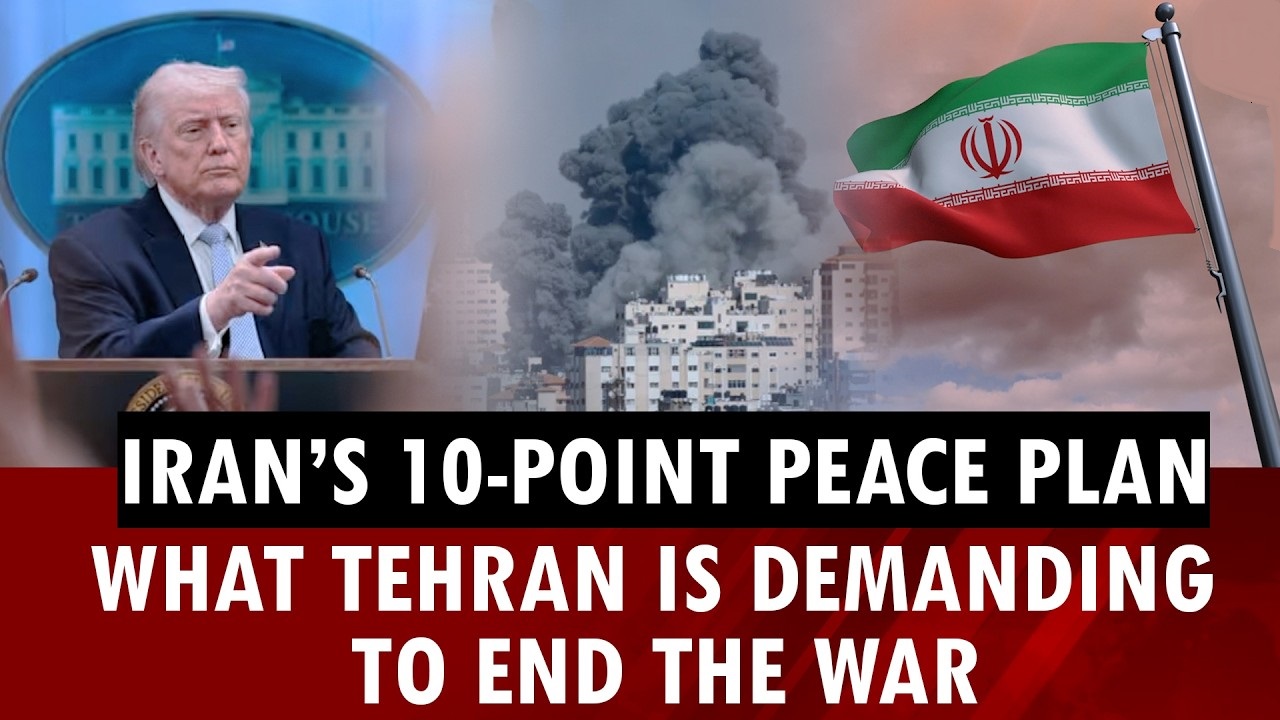
The Iran 10-point peace plan has taken center stage after Tehran agreed to begin talks with the United States following a two-week ceasefire. The plan is now expected to guide upcoming negotiations aimed at ending the ongoing conflict.
Pakistan has stepped in as a key mediator, offering Islamabad as the venue for direct dialogue. Prime Minister Shehbaz Sharif confirmed that delegations from both sides will arrive on April 10. The Iran 10-point peace plan will form the basis of these discussions.
Officials say the proposal covers major political, military, and economic issues. It includes controlled access through the Strait of Hormuz under Iranian coordination, giving Tehran a stronger role in regional trade routes. The plan also calls for a complete halt to military actions across the region, including areas linked to Iran’s allies.
Another major demand in the Iran 10-point peace plan is the withdrawal of US forces from regional bases. Tehran has also asked for full compensation for war damages and the removal of all sanctions imposed on the country.
The proposal goes further by seeking the release of frozen Iranian assets and the end of international resolutions targeting its nuclear programme. It also calls for formal approval of any agreement through the United Nations Security Council.
One key point in the plan is the recognition of Iran’s right to uranium enrichment. This issue has remained at the heart of tensions between Tehran and Washington for years.
US President Donald Trump has reportedly described the plan as “workable,” raising hopes that both sides may find common ground. With Pakistan facilitating talks, expectations are growing that the ceasefire could lead to a broader peace agreement.
The coming days in Islamabad will be crucial. If both sides show flexibility, the Iran 10-point peace plan could mark the beginning of a long-awaited resolution to the conflict.