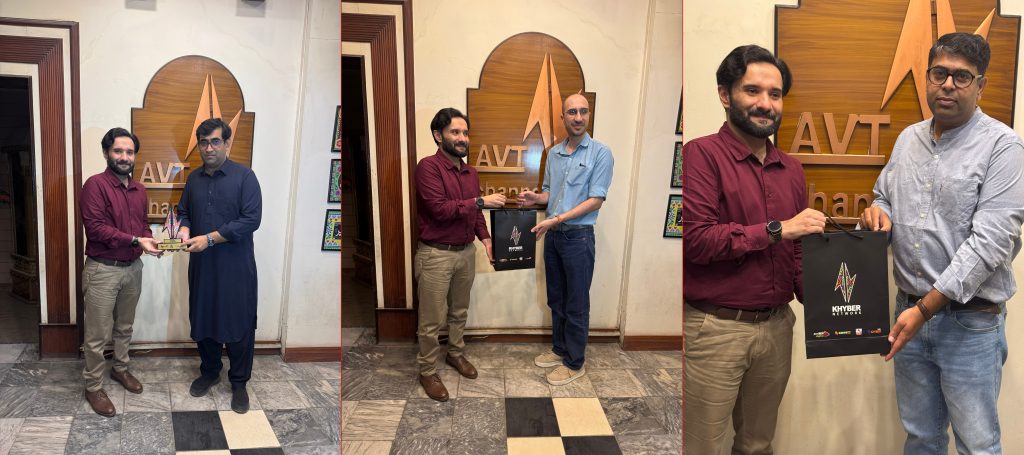
The National University of Sciences and Technology (NUST) and Khyber Academy for Media Technologies (KAMTECH) have explored new opportunities to strengthen cooperation between academia and Pakistan’s media industry during an ATOMx Dialogue held in Islamabad. Chaired by Mr. Kaiwan Hamid Raja, Executive Director of Khyber Network and CEO of Khyber Digital, the engagement focused on connecting academic learning with the practical requirements of professional media environments.
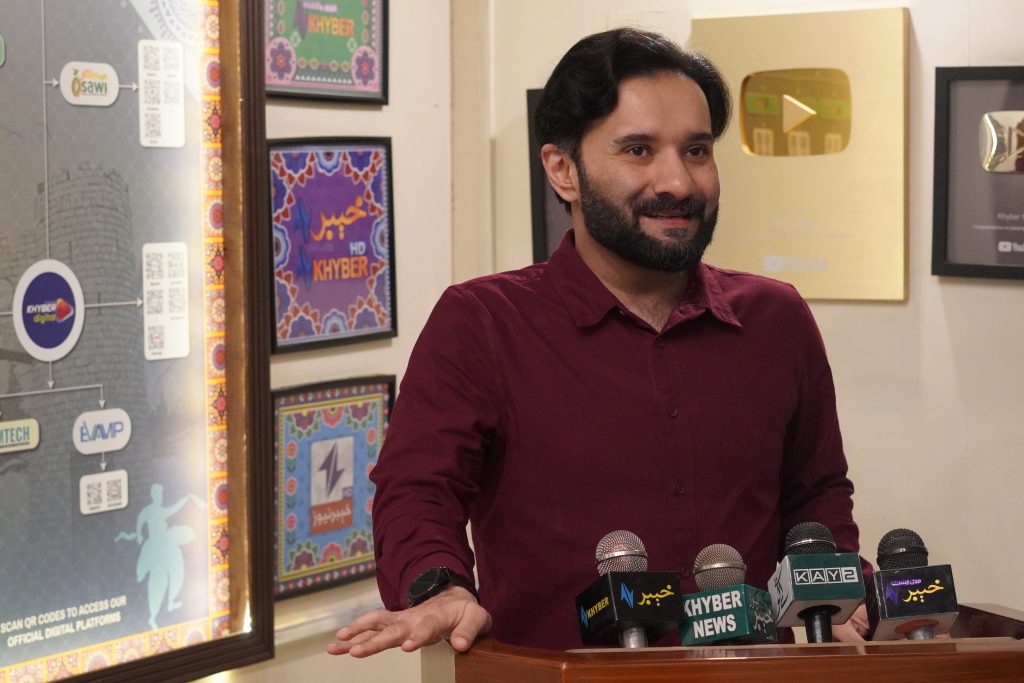
Mr. Kaiwan Hamid Raja, who is also the driving force behind KAMTECH, led discussions on strengthening industry-academia engagement, expanding practical learning opportunities, and preparing students for the evolving demands of the media sector.
Mrs.Marriam Kaiwan (President Khud Mukhtar SAWI), who is also the co-founder of KAMTECH participated in the ATOMx Dialogue, contributing to the engagement focused on strengthening collaboration between academia and the media industry. Her participation complemented the discussions on practical media education, professional development, and creating greater opportunities for students through industry engagement.
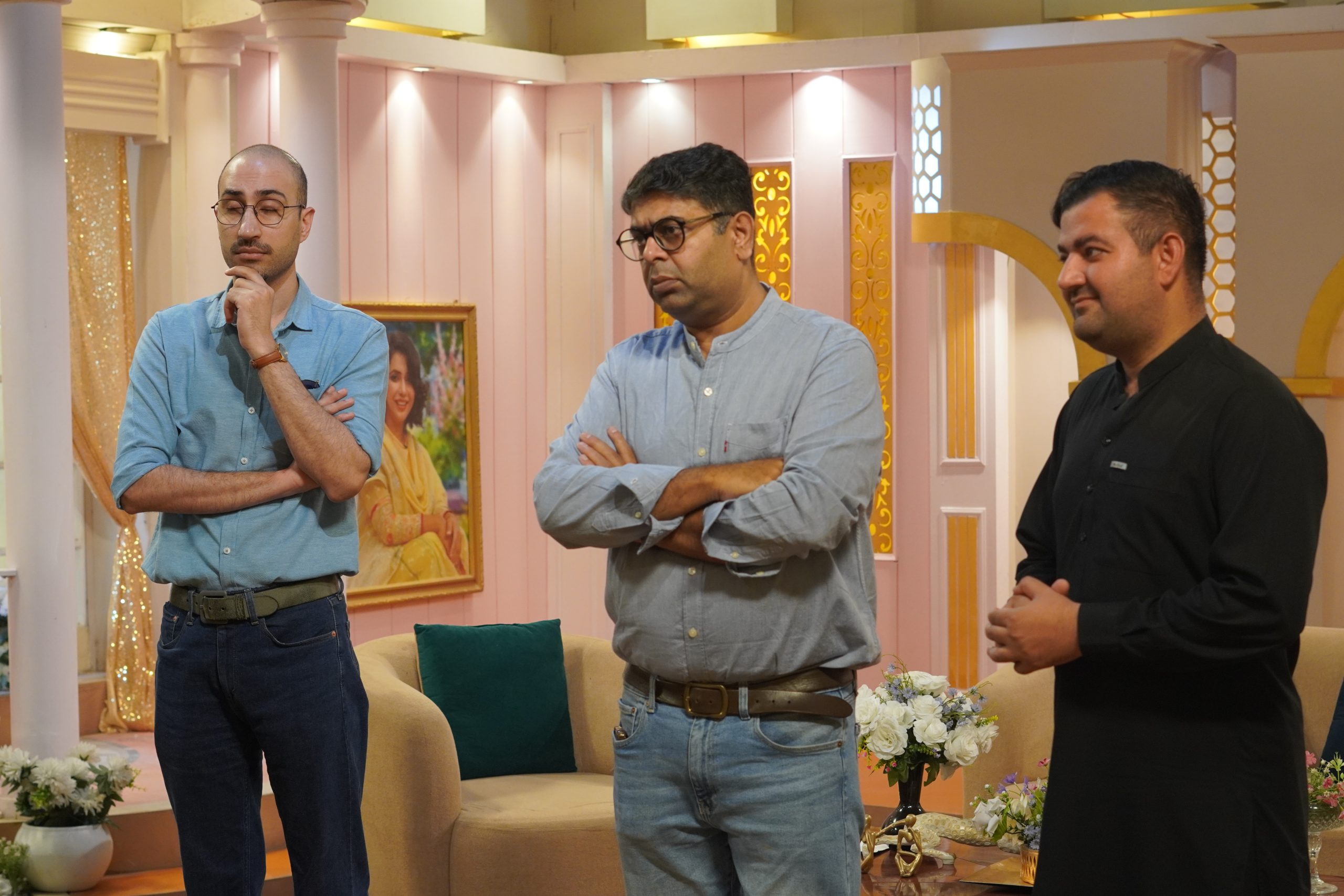
The dialogue brought together the NUST faculty delegation and senior representatives of Khyber Network, including Mr. Mubarak Ali, Chief Editor of Khyber News, and Mr. Zaki ur Rehman, Director Coordination at Khyber Network. Discussions centered on practical media training, faculty development, internships, and greater industry exposure for students pursuing media-related disciplines.
NUST-KAMTECH Collaboration Aims to Bridge the Academia-Industry Gap
The NUST-KAMTECH collaboration reflects a shared interest in narrowing the gap between classroom instruction and professional media practice. The discussions explored how academic institutions and media organizations could work together to give students greater access to hands-on learning, industry expertise, and practical broadcasting experience.
The NUST delegation included Dr. Muhammad Umar Nadeem, Head of the Department of Mass Communication; Dr. Hamza Iftikhar, Head of Research at the Jinnah School of Public Policy and Leadership; Rubban Shakeel, Lecturer in Mass Communication; Dr. Muhammad Ali Zaidi, Assistant Professor; and Hamza Ayub, Lecturer.
Their participation provided an opportunity to exchange perspectives on media education and explore potential avenues for collaboration between university faculty and industry professionals.
The dialogue also highlighted the importance of aligning academic programmes with the skills, technologies, and professional standards required in modern newsrooms and broadcast organizations.
Kaiwan Hamid Raja Leads ATOMx Dialogue on Media Innovation
As chair of the ATOMx Dialogue, Mr. Kaiwan Hamid Raja brought together academic representatives and Khyber Network leadership to discuss opportunities for closer cooperation between higher education and the media industry.
In his roles as Executive Director of Khyber Network and CEO of Khyber Digital, Mr. Raja is associated with the operational and digital media landscape in which the discussions took place. He is also the driving force behind KAMTECH, an initiative focused on strengthening connections between academia and the media sector.
The dialogue provided a platform to examine how universities and media organizations could combine their respective strengths to support professional development, practical instruction, and student readiness for employment.
The participation of Mr. Mubarak Ali, Chief Editor of Khyber News, and Mr. Zaki ur Rehman, Director Coordination at Khyber Network, added newsroom leadership and organizational coordination perspectives to the discussions.
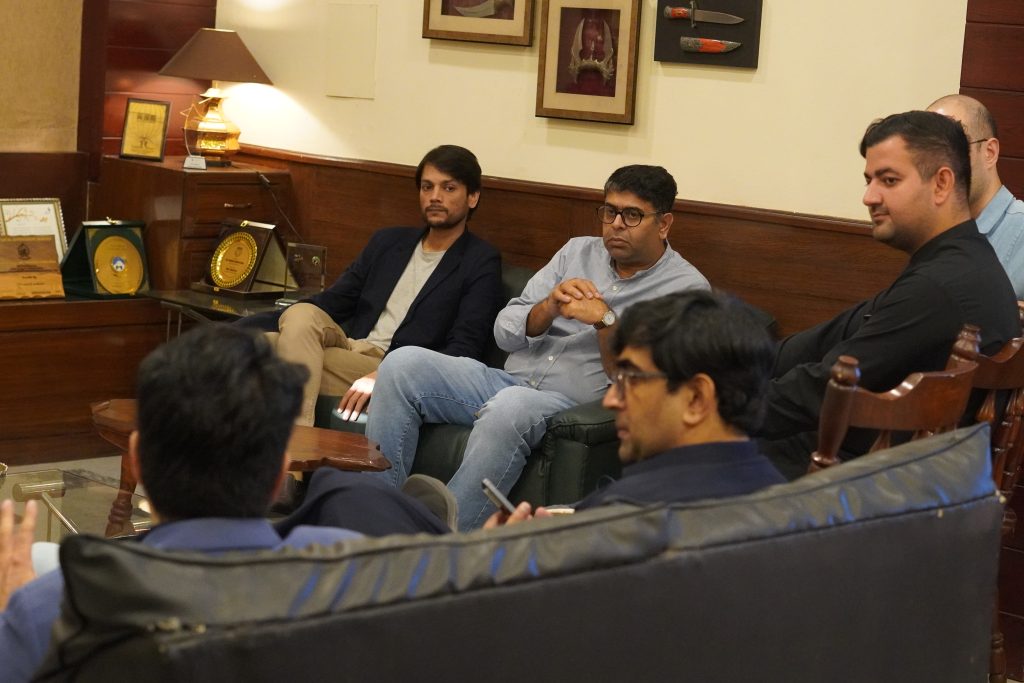
Together, the participants explored the potential for sustained engagement between academic institutions and media professionals, with an emphasis on making media education more closely connected to industry practices.
NUST Delegation Visits Khyber Network’s Broadcast Facilities
As part of the engagement, the NUST faculty delegation visited Khyber Network’s broadcasting facilities in Islamabad. The tour included the network’s studios, Central Newsroom, Production Control Room (PCR), and Master Control Room (MCR).
The visit offered the delegation an opportunity to observe the professional environments and technical systems involved in television production and news broadcasting.
From newsroom operations to programme production and broadcast coordination, these facilities demonstrate the practical processes that underpin media organizations. Exposure to such environments can help educators better understand the professional requirements students will encounter when entering the industry.
The visit also supported the broader objective of encouraging closer interaction between university faculty and media practitioners.
KAMTECH Shares Its Training Model and Future Collaboration Plans
During the dialogue, participants received a briefing on KAMTECH’s training model, including practical media workshops for students, faculty training, and potential collaboration under the Academia TO Media Council.
The discussions explored how structured engagement between universities and industry partners could complement classroom teaching with practical learning experiences.
Student workshops were identified as an important area for potential cooperation, offering opportunities to familiarize learners with media production processes, newsroom practices, and the demands of professional communication.
Faculty training was also discussed as a way to strengthen the relationship between academic instruction and evolving industry requirements. Greater interaction with media professionals can help educators bring relevant practical insights into their teaching and curriculum development.
The proposed collaboration aims to encourage knowledge exchange and create more opportunities for students and faculty to engage with the professional media environment.
Internships and Practical Media Skills Take Centre Stage
Providing students with practical media skills and industry exposure was another key theme of the ATOMx Dialogue.
Participants discussed the potential to create opportunities for internships, hands-on workshops, and professional engagement that could help students translate academic knowledge into workplace skills.
For students studying mass communication, journalism, and related disciplines, access to professional environments can provide valuable insight into reporting, production, editorial workflows, and broadcast operations.
Closer university-industry engagement can also help students develop a better understanding of professional expectations before entering the job market. For academic institutions, collaboration with media organizations offers an opportunity to keep learning experiences relevant to the practical demands of the sector.
The discussion focused on exploring these possibilities as part of a broader effort to strengthen the connection between education and professional media practice.
Academia TO Media Council to Support Stronger Industry Engagement
The Academia TO Media Council was among the collaboration frameworks discussed during the meeting. The initiative was presented in the context of developing stronger links between universities and media organizations through training, professional interaction, and practical learning.
Such engagement can provide a platform for academic representatives and industry professionals to exchange knowledge, identify shared priorities, and explore opportunities for student development.
The discussions also underscored the importance of collaboration in media education, where practical experience and familiarity with professional workflows can complement theoretical knowledge.
Through KAMTECH and continued dialogue with academic institutions, the participants explored ways to make the transition from university education to professional media careers more effective.
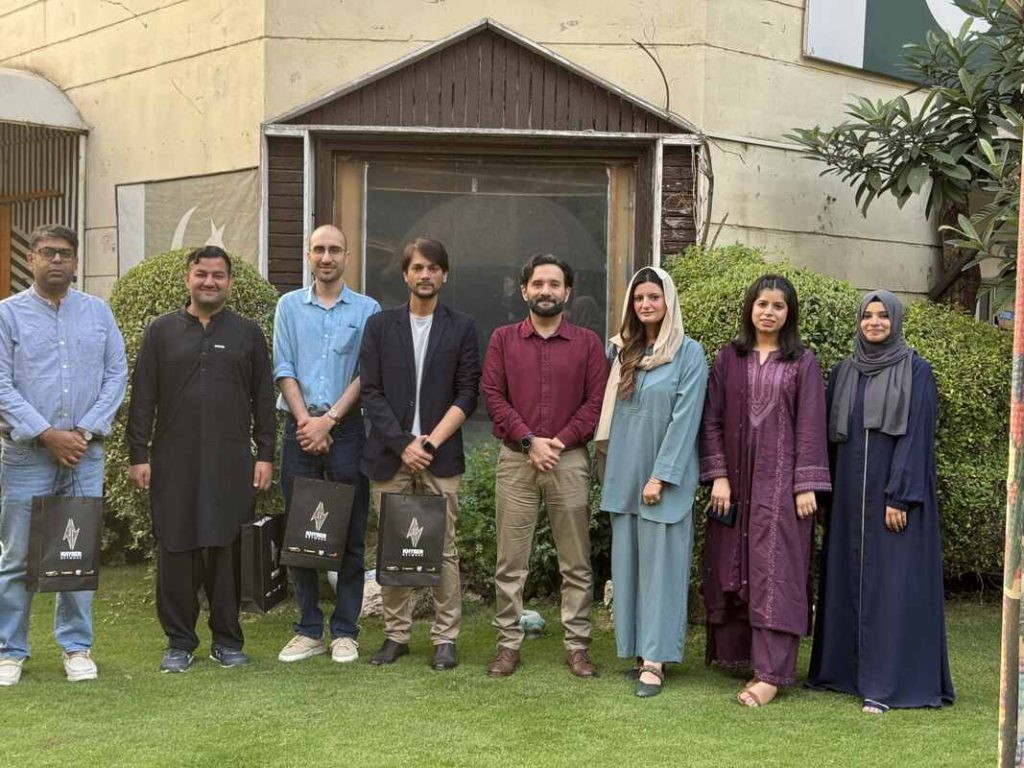
NUST and KAMTECH Reaffirm Commitment to Connecting Education with Industry
The ATOMx Dialogue concluded with a shared commitment from NUST and KAMTECH to help reduce the gap between academic learning and the realities of the media industry.
Chaired by Mr. Kaiwan Hamid Raja, the engagement brought together university faculty and Khyber Network leadership to explore practical training, faculty development, internships, and increased industry exposure for students.
The participation of Mr. Mubarak Ali and Mr. Zaki ur Rehman further brought senior editorial and coordination perspectives into the discussion, reinforcing the importance of engagement between educational institutions and media organizations.
The NUST KAMTECH collaboration, supported by the broader objectives of ATOMx Dialogue, represents an effort to encourage meaningful connections between education and industry, with the potential to benefit students, faculty members, and media professionals alike.