
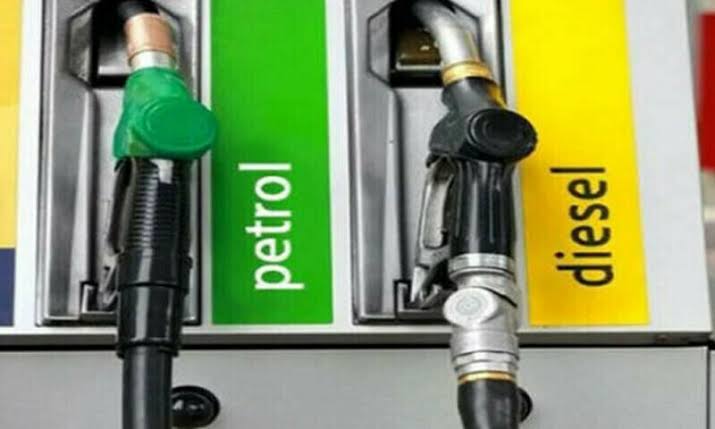
The federal government generated Rs220 billion in petroleum levy revenue during the first two months of fiscal year 2026-27, as it faces pressure to reduce the tax burden on fuel consumers.
The revenue comes as the government holds talks with Jamaat-e-Islami (JI) over its demand to rationalise the petroleum levy. However, the government’s agreement with the International Monetary Fund (IMF) under its $7 billion Extended Fund Facility leaves little room for reducing the levy at this stage.
Rising fuel prices have added to the financial pressure on consumers and contributed to inflation, which has remained close to double-digit levels during the current fiscal year.
The government has set a petroleum levy collection target of Rs1.676 trillion for 2026-27. This is higher than the Rs1.567 trillion collected during the previous fiscal year, which ended on June 30, 2026.
The latest target represents an increase of Rs109 billion over last year’s actual collection. The initial budget estimate for 2025-26 stood at Rs1.468 trillion, but the government exceeded it by nearly Rs100 billion.
Currently, the federal government charges Rs80 per litre as petroleum levy on both petrol and diesel. Parliament has authorised the government to adjust the rate without seeking fresh approval, giving it the power to increase the levy when needed.
Apart from the petroleum levy, the government also collected Rs27.5 billion through the Climate Support Levy, also known as the Carbon Levy, during July and August.
Its collection target for the current fiscal year stands at Rs50 billion, broadly matching the Rs50.159 billion collected in 2025-26.
The New Energy Vehicle (NEV) Adoption Levy generated another Rs7.225 billion during the first two months of 2026-27. The government has set a collection target of Rs22.481 billion for this levy, compared with the previous year’s budget allocation of Rs10 billion.
Despite the growing revenue from fuel-related levies, it remains uncertain how the government will respond to demands for relief. The talks with Jamaat-e-Islami continue against the backdrop of fiscal commitments to the IMF and rising living costs.